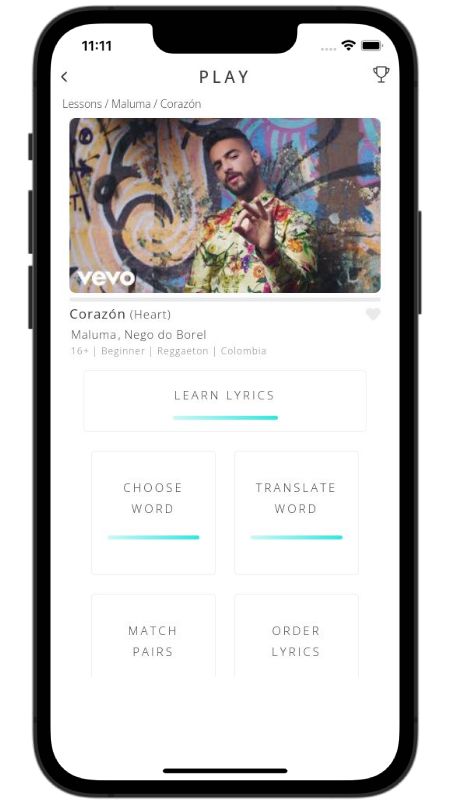
Corazón Lyrics in English by Maluma, Nego do Borel
Rancor means 'grudge' or 'deep-seated resentment'. It's a powerful word that goes beyond simple anger or sadness, describing a bitter, long-lasting feeling you hold against someone for a past offense.
In the song, Maluma declares he's over the breakup by singing, "Se eu não guardo nem dinheiro, que dirá guardar rancor" (If I don't even save money, what can be said of holding a grudge?). This clever line shows he has completely moved on; he's so carefree that he can't be bothered to hold onto negative feelings, making it a key word to understanding his cool, post-breakup attitude.
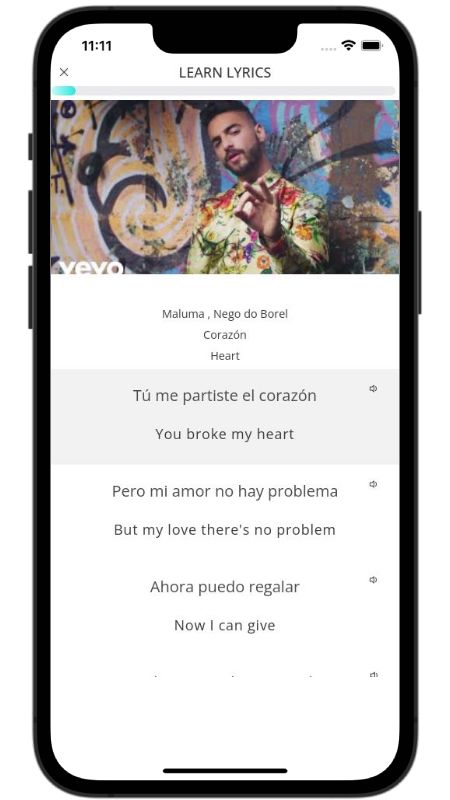
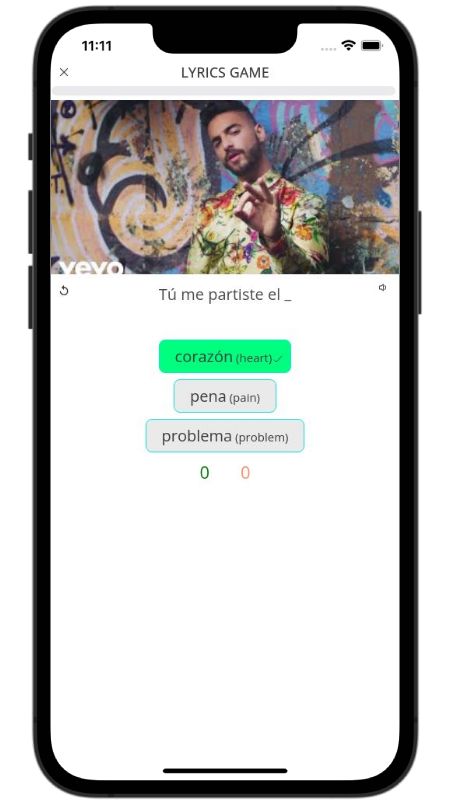
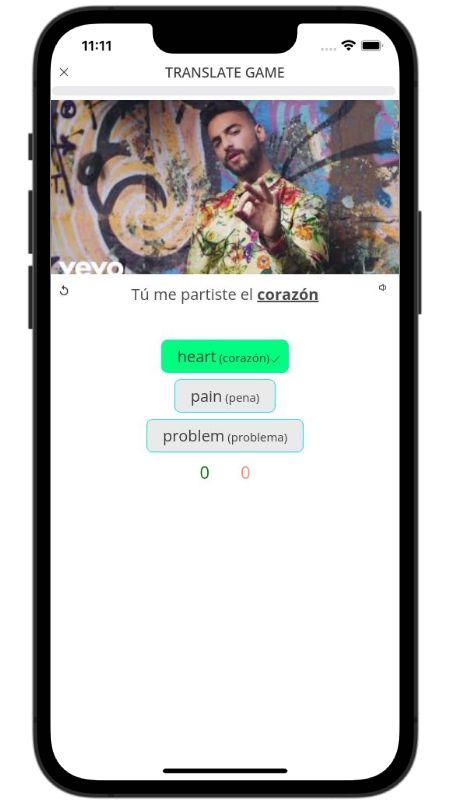
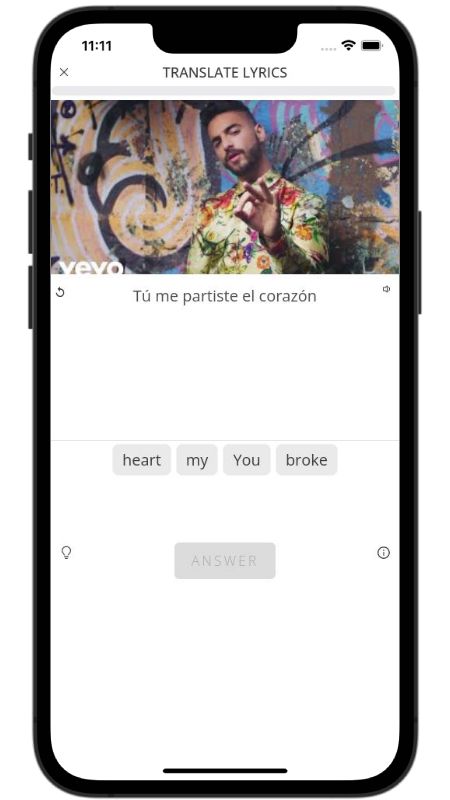
Heartbreak usually brings tears, but Colombian star Maluma and Brazilian singer Nego do Borel turn it into a party in "Corazón". Instead of sulking over an ex who was busy "rodando por camas ajena" ("rolling around in other people's beds"), the singer flips the script completely. His response to betrayal is pure comedy: "Tú me partiste el corazón / Pero mi amor no hay problema / Ahora puedo regalar / Un pedacito a cada nena" ("You broke my heart / But my love, no problem / Now I can give away / A little piece to each girl"). It is a cheeky, breezy brush-off where getting dumped simply turns into an excuse to share the love around.
The track mixes Spanish, Portuguese, and English to dismiss the cheater without holding any grudges. Nego do Borel drops the funniest line of the track when he points out that he does not even save cash, so why save bad vibes: "Se eu não guardo nem dinheiro / Que dirá guardar rancor" ("If I don't even save money / Let alone hold a grudge"). By the time Maluma delivers a bilingual send-off with "Ahora te digo goodbye / Muito obrigado, pa' ti ya no hay" ("Now I tell you goodbye / Thank you very much, there's nothing left for you"), the drama is over. He even jokes at the very end about his language skills: "Tchau tchau, eu não sei falar muito bem Português / Mas quero aprender" ("Bye bye, I don't speak Portuguese very well / But I want to learn").