Ojalá Lyrics in English by Maluma, Adam Levine, The Rudeboyz
Ojalá is a beautiful and unique Spanish word that expresses a strong wish or hope, often with a sense of longing or even regret. Its origin comes from the Arabic phrase "inshallah," meaning "God willing."
In Maluma's song, "Ojalá" is used repeatedly to convey the singer's deep desire for his ex-lover to remember him and regret their breakup. He sings, "Ojalá que cuando él te lo haga pienses en mí" (I hope that when he does it to you, you think of me), making it a powerful and emotionally charged word that perfectly captures the song's theme of lingering love and longing.
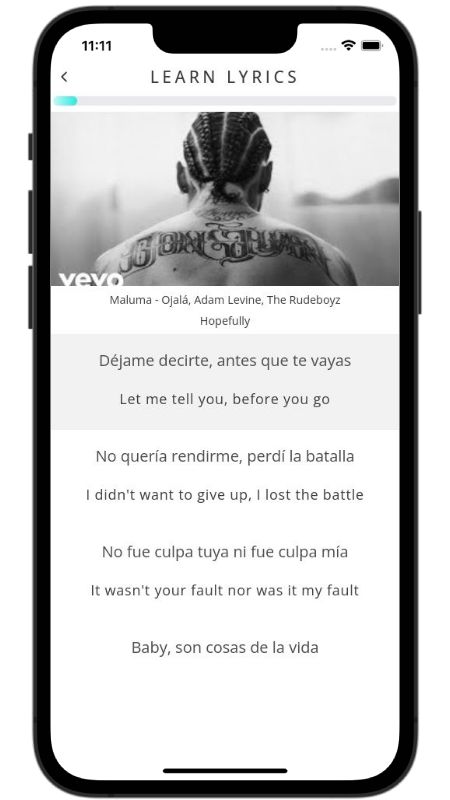
This song is the ultimate post-breakup fantasy, and it's a little bit petty. Colombian superstar Maluma kicks things off by accepting a relationship is over, saying it was nobody's fault, just "cosas de la vida" (things that happen in life). But don't be fooled by the mature start! The whole song is built around the word "Ojalá," which means "I hope," and his hopes are messy. He wishes his ex can't stop thinking about him when she's with her new guy: "Ojalá que cuando él te lo haga pienses en mí" (I hope that when he does it to you, you think of me). He even wishes the same pain on himself, hoping he can't forget her either.
Adam Levine jumps in to confirm that the feeling is mutual. He calls her out directly, asking, "You want him so bad, why am I the one you're calling?" He knows she's still thinking about him, too. Maluma gets even more specific later, hoping her new boyfriend isn't as good and reminding her how much she enjoyed being with a "bad boy." He says, "Te gustan los nenes buenos, yo fui tu único lo malo" (You like good boys, I was your only bad one). It's a classic case of two people who have broken up but are still completely stuck on each other, wishing the other person is just as miserable as they are.