CH Y La Pizza Lyrics in English by Fuerza Regida, Natanael Cano
Eminencia translates to "eminence" or "prominent figure." It's a sophisticated word that suggests high standing, distinction, or expertise, often used in formal contexts.
In this song, the speaker uses it to describe himself: "Soy una eminencia pa' la fiesta y el desmadre" (I'm an eminence for parties and chaos). This creates an intriguing contrast, using a grand word to describe mastery in informal, even rowdy, situations, making it both memorable and a great example of how Spanish can be used creatively.
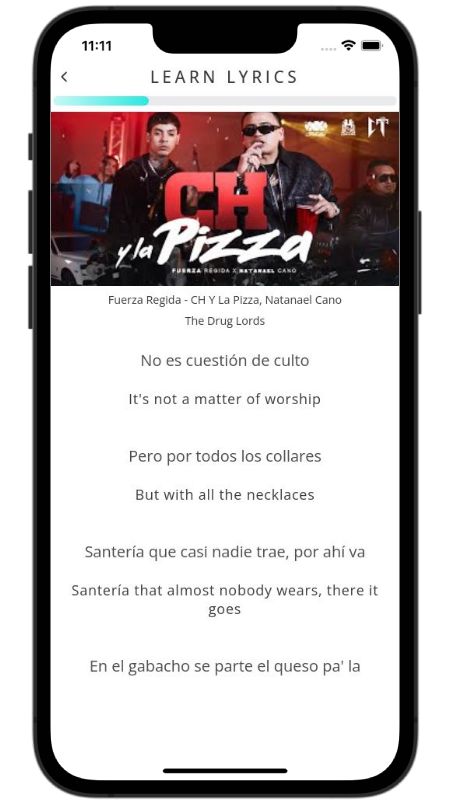
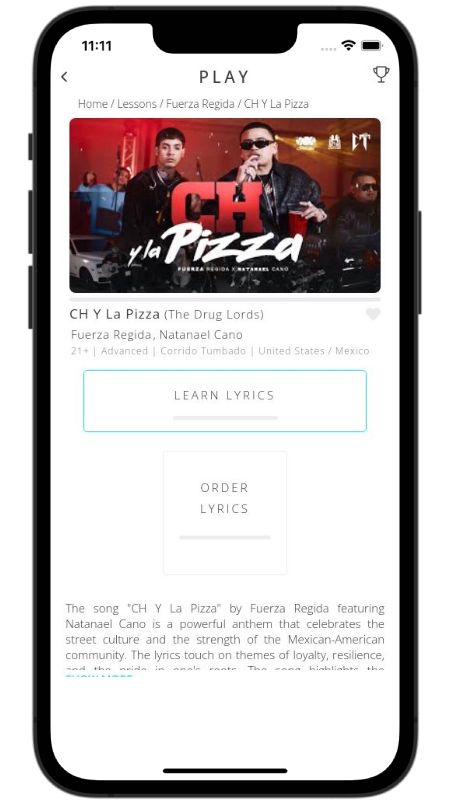
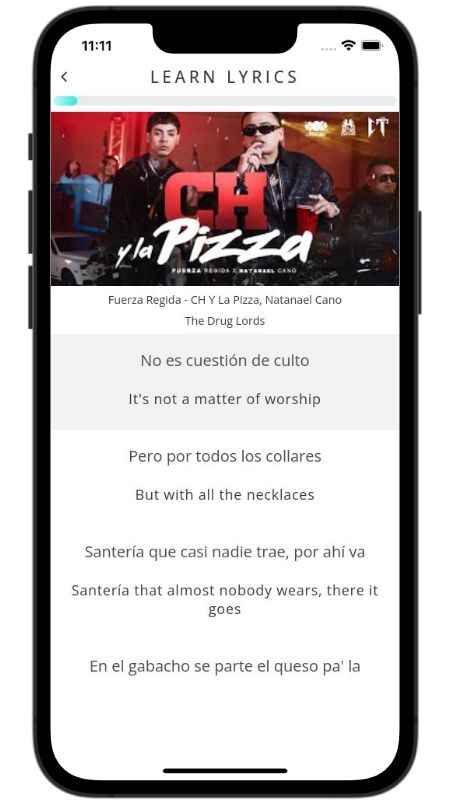
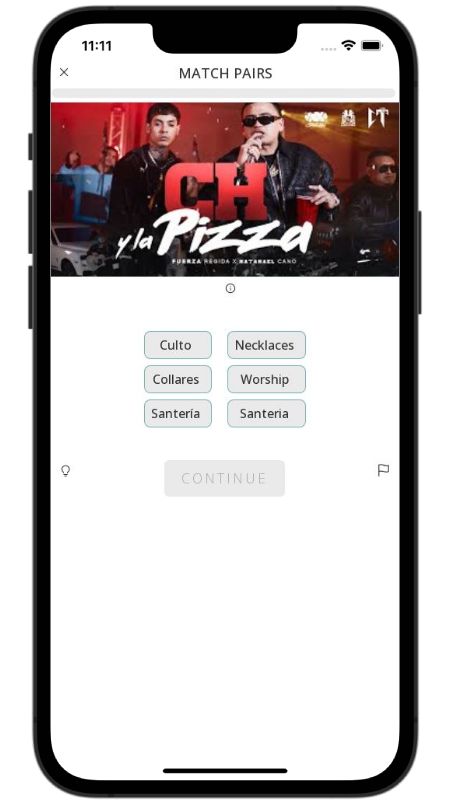
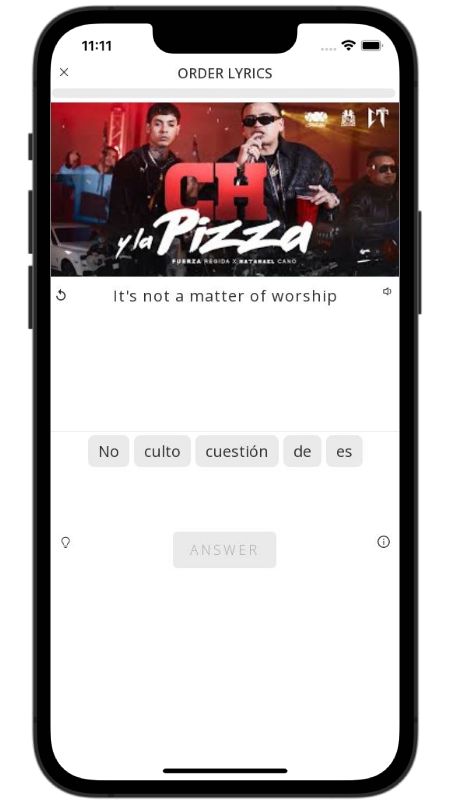
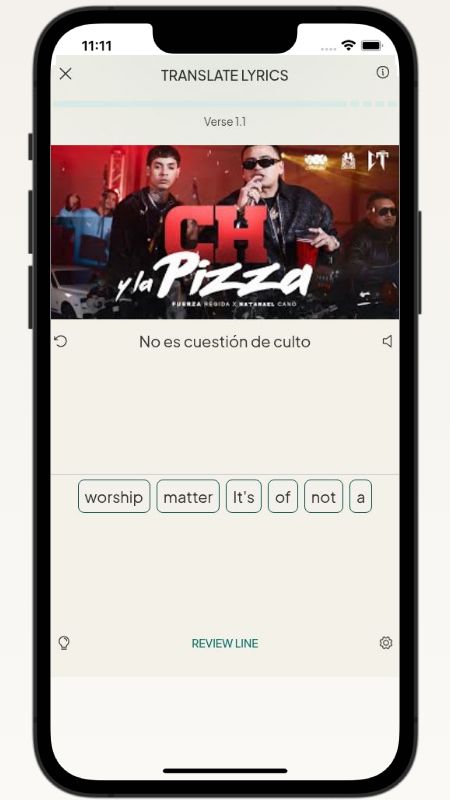
CH Y La Pizza is pure corrido tumbado swagger, mixing California street life with heavy Sinaloan underworld slang. Right from the start, the title itself is wordplay: "la Ch y la pizza" plays directly on the sound of "la Chapiza," referencing the faction tied to "JGL" (the initials of Joaquín Guzmán Loera). Fuerza Regida and Natanael Cano brag about moving money across borders, claiming that "en el gabacho se parte el queso pa' la Ch y la pizza" ("in the US, the cheese gets sliced for the Ch and the pizza"). Here, el gabacho is Mexican slang for the United States, and partir el queso means running the show or calling the shots. They match spiritual protection, like Santería bead necklaces ("collares"), with raw firepower: "cargo el cuernón" ("I'm carrying an AK-47").
The lifestyle they talk about balances wild nightlife with street muscle. You get funny, ultra-specific flexes like buying "sushi ranch roll" for the party girls ("las plebes") before hitting "un antro fresón" ("an upscale, fancy club"). Then Cano throws in the classic dismissive flex: "el que puede, puede" ("whoever can do it, does it"). But whenever work calls ("si toca jale"), the mood turns dead serious. They put on work boots, bring armed crews backed by their mothers' blessings, and stay alert because "traiciones no aguantan" ("betrayals won't stand"). It is blunt, fast, and packed with the exact kind of slang that defines the modern border scene.