Real Lyrics in English by Santa Fe Klan
Callejero literally translates to "of the street". While it can be used to describe a stray animal, in this song, it's used to define a personal identity.
Santa Fe Klan sings, "Soy un callejero desde que estaba morrito" (I've been a street person since I was a little kid). He uses the word to express that his character is fundamentally shaped by the streets he grew up on. It implies being street-smart, tough, and fiercely loyal to his neighborhood culture—capturing the song's core theme of being authentic and "real".
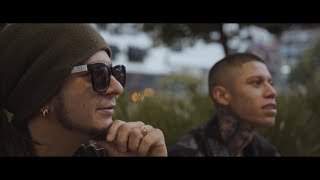
In "Real", Mexican rapper Santa Fe Klan puts his day-to-day survival on record without sugarcoating anything. He opens by telling you his priorities: "Primero lo primero, voy con los mismos desde cero" ("First things first, I ride with the same crew from scratch"). This track is dedicated straight to street life and his roots, shouting out tough neighborhoods like Tepito and his own crew with "SF te pinto" ("I paint SF for you"). He calls himself a "callejero desde que estaba morrito" ("street kid since I was a little boy")—using Mexican street slang like morrito (kid) to show that dodging police sirens and spraying graffiti have been part of his routine since childhood. Alongside the rush of chasing money so his family survives, he drops in a painful personal note about a romance that fell apart, admitting his ache with "el dolor que siento desde que no estás" ("the pain I feel since you're not here").
What hits hardest is his motivation for grinding. He is blunt about the sacrifices: "Hace mucho que no miro a mi madre" ("It's been a long time since I've seen my mother"), and he is pushing so hard because "No volveremos a tener frío ni hambre, no quiero que trabaje más mi padre" ("We won't be cold or hungry again, I don't want my father to work anymore"). He invites you to walk with him at dawn down quiet, dangerous city blocks where he claims authority does not exist. Through all the chaos, loneliness, and the blunt acceptance that "para morir nacimos" ("we were born to die"), his anchor is his craft: "Querida música, es un gusto conocerte" ("Dear music, it is a pleasure to meet you").