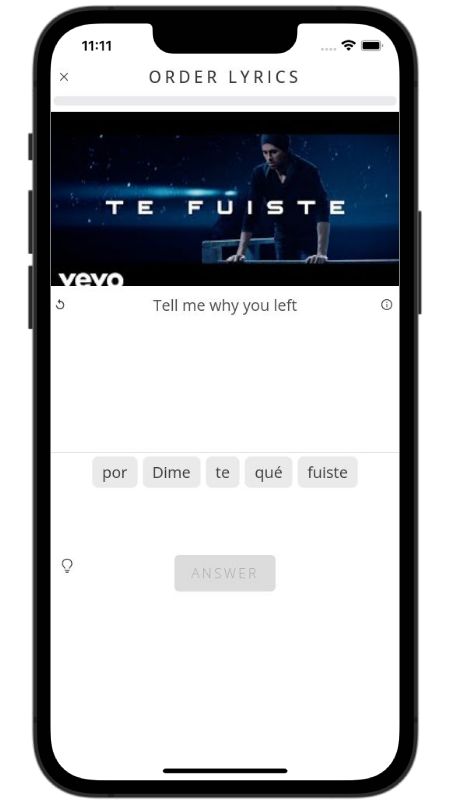
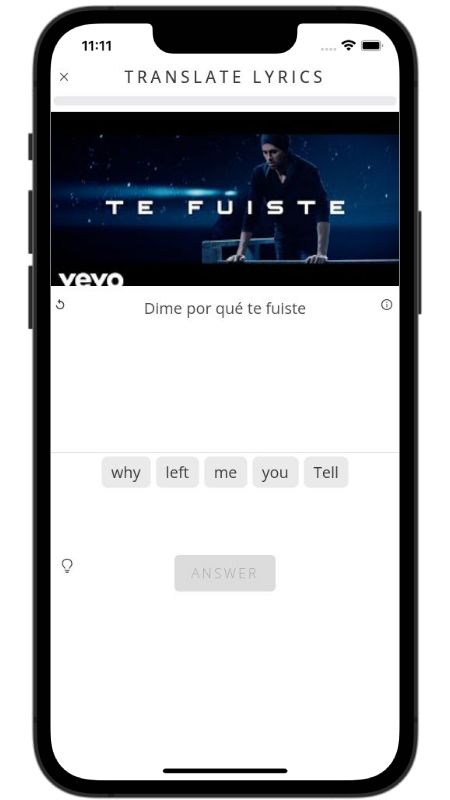
Daniel Echevarria Oviedo, Enrique Iglesias, Michael Torres Monge
Did you like this lyrics translation?
reponerme — to recover / to get over it
Reponerme comes from the verb reponerse and literally means “to recover, to bounce back.” The final -me shows the reflexive pronoun, turning it into “to recover myself,” a structure English learners often find intriguing.
In the lyric "juré reponerme" (I swore I’d get over it), Enrique vows to heal after the breakup, making the word emotionally charged and memorable. Its reflexive form and motivational nuance make it a perfect bite-sized lesson for Spanish learners.
Have you ever stared at your phone, desperate for answers after someone abruptly walked out of your life? Spanish pop star Enrique Iglesias and Puerto Rican rapper Myke Towers team up on "TE FUISTE" to talk about that exact sting. The track revolves around a messy breakup where one person vanished without an explanation ("Sin decir adiós" [Without saying goodbye]). Enrique sings about seeing his ex's face everywhere on the street and suffering through cold, sleepless nights where the memories refuse to fade. Even listening to music backfires: "Escucho esta canción y me pongo más triste" (I listen to this song and I get sadder).
Myke Towers jumps in with some painfully honest moments. He admits to making anonymous calls ("Soy el que se pasa llamando anónimo" [I'm the one who keeps calling anonymously]) just to feel close to her, while kicking himself because she now treats him like a traitor. He uses the phrase "ya no está pa' mí" (she's not interested in me anymore / she's moved on from me), an everyday Puerto Rican and Caribbean idiom for when someone is completely over you. Together, they turn total romantic defeat into a catchy pop confession about trying to move on when your heart is broken in pieces ("mi corazón partiste").
Did you know?
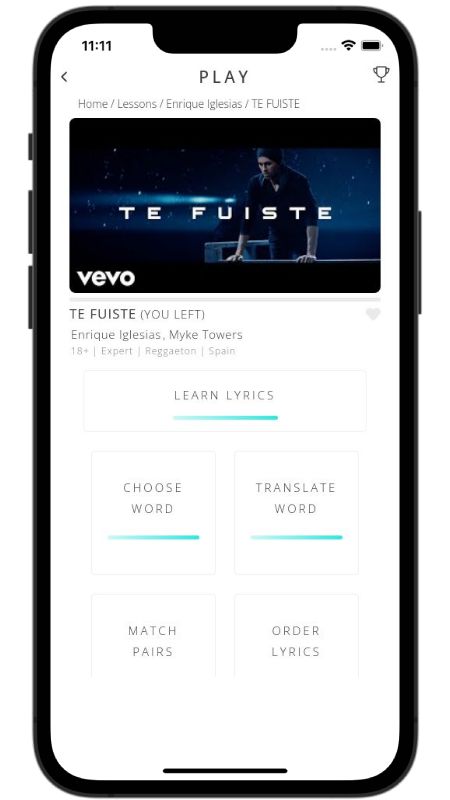
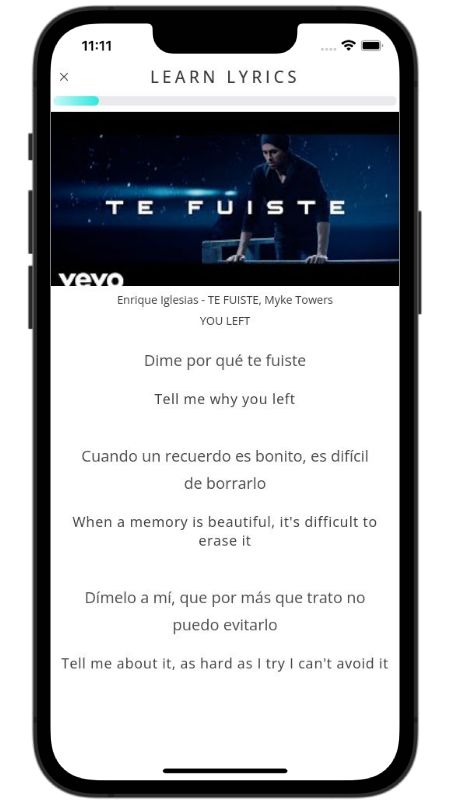
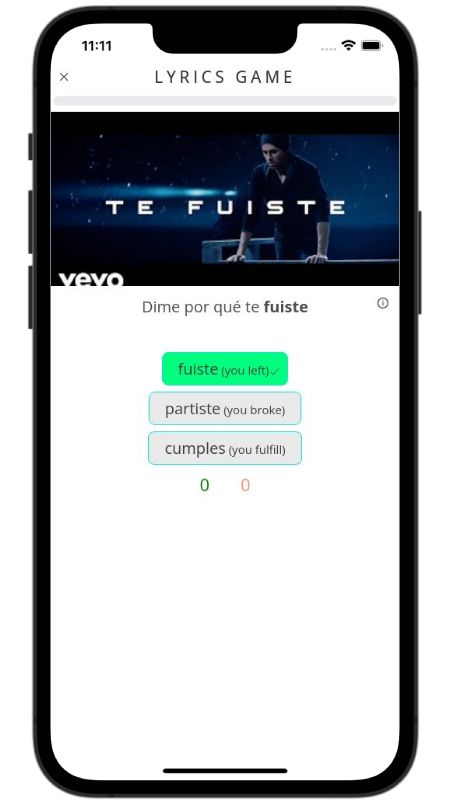
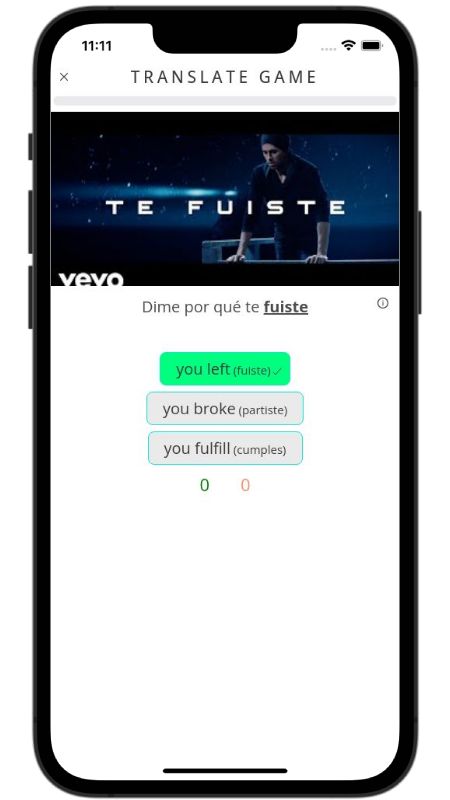
In addition to reading lyric translations, you can now learn Spanish with music and lyrics from your favorite artists.
Yes, including TE FUISTE by Enrique Iglesias!
No more boring lessons. You can now learn with engaging and culturally relevant lyrics from the best artists.