Quizás Lyrics in English by Enrique Iglesias
Marcha atrás literally translates to "reverse gear," like in a car. It's a fantastic idiomatic phrase that means 'to go backwards' or 'to backtrack'.
In this poignant song about his father, Enrique Iglesias uses it metaphorically, singing "A veces hemos ido marcha atrás" (Sometimes we have gone backwards) to describe the regressions and setbacks in their relationship. It’s a perfect example of how a practical phrase can be used poetically to express a complex, relatable feeling.
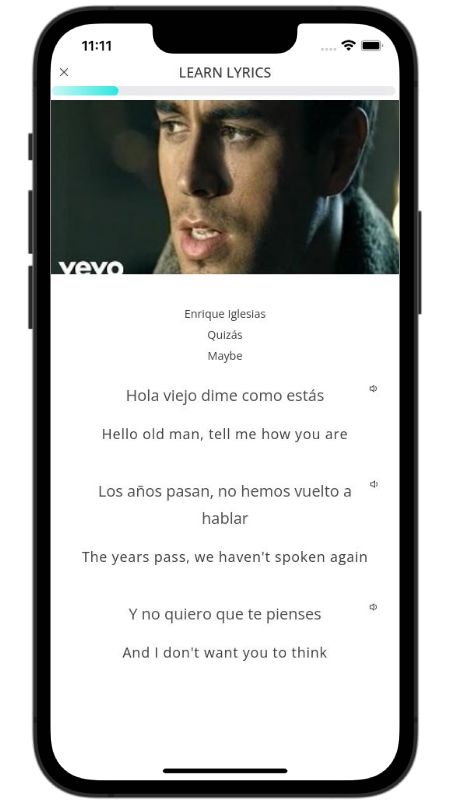
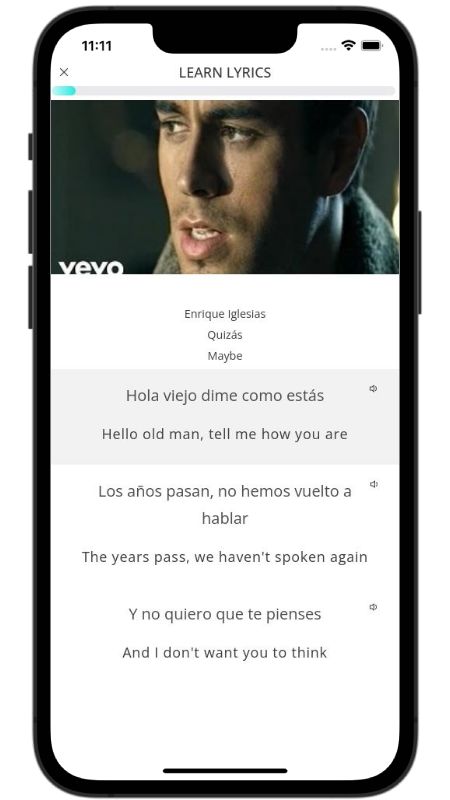
In this pop track, Spanish artist Enrique Iglesias opens up a tough conversation with his father after years of silence. Right away, he greets him with "Hola viejo dime como estás" ("Hello, old man, tell me how you are"). In Spanish, calling a parent "viejo" is an affectionate, informal way to say "dad" rather than an insult. Enrique admits that while he works nonstop and cannot complain about life, he is secretly dealing with a lot of loneliness ("Hay mucha soledad" / "There is a lot of loneliness"). He puts his pride aside because tomorrow is never guaranteed, telling his father he is completely done fighting over who was right or wrong in the past ("Y la razón siempre querías llevar / Pero estoy cansado, no quiero discutir" / "And you always wanted to be right / But I am tired, I don't want to argue").
The chorus hits the heart of the divide by contrasting two opposite worlds: "Quizás tú buscas un desierto y yo busco un mar" ("Maybe you look for a desert and I look for a sea"). They might want completely different things in life, but Enrique realizes that beneath all the distance, they are almost the exact same person ("En el fondo tú y yo somos casi igual" / "Deep down, you and I are almost the same"). It is an honest reach for peace before time pulls them even further apart.