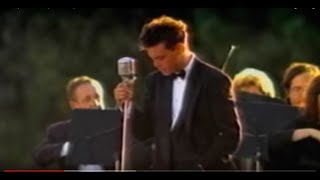
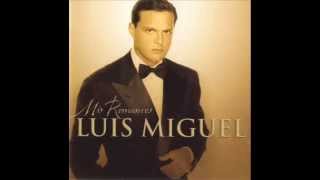
Todo Y Nada Lyrics in English by Luis Miguel
Añoro comes from the verb añorar, meaning "to long for" or "to yearn for". It's a deeply emotional word that expresses a nostalgic and often sad longing for something or someone that is gone or far away.
In this classic ballad, Luis Miguel sings, "Muere la esperanza que añoro" (The hope that I long for dies). He uses this powerful word to convey the depth of his sorrow over unrequited love, making it a perfect addition to your vocabulary for expressing profound emotion.
Todo Y Nada literally means Everything and Nothing, and Luis Miguel turns that contrast into a heartfelt confession of unrequited love. He sings about laying his entire world at someone’s feet – his hidden tenderness, his very desire to live, every last piece of himself – only to discover that it still cannot capture her attention. The more he offers, the clearer it becomes that her heart is elsewhere.
That painful paradox fuels the song’s emotion: when love is not returned, even the grandest gifts feel worthless. So the singer ends with the haunting line, “Teniéndolo todo, nada te puedo dar” (having everything, I can give you nothing). Wrapped in classic bolero–pop melodrama and Luis Miguel’s soaring vocals, the track invites listeners to sway, sigh, and remember that sometimes the richest feeling in the world can still leave you empty-handed.