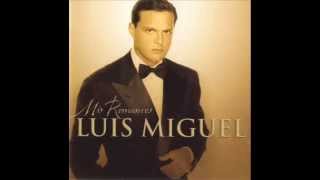
Solamente Una Vez Lyrics in English by Luis Miguel
Renunciación translates to "renunciation" or "giving up." It's a strong and somewhat formal word that implies a complete and willing surrender of something.
In the context of this romantic bolero, it refers to the profound and total surrender of oneself to love. Luis Miguel sings about the soul giving itself "con la dulce y total renunciación" (with sweet and total renunciation), suggesting a beautiful and complete devotion to the beloved. This word elevates the depth of emotion in the song.
Have you ever felt like you only truly love once in your life? Luis Miguel's "Solamente Una Vez" [Only One Time] is all about that powerful, singular experience. He sings, "Solamente una vez amé en la vida, solamente una vez y nada más" [Only one time I loved in life, only one time and nothing more], really emphasizing that this kind of love is a one-time deal.
It's a beautiful song about finding hope and giving your whole self to someone. He describes how "una vez nada más en mi huerto brilló la esperanza" [only one time in my garden hope shone], suggesting that this love brought light to his loneliness. When that amazing miracle of loving happens, he says there are "campanas de fiesta que cantan en el corazón" [party bells that sing in the heart]. It's such a sweet and complete feeling of giving everything, and it makes you think about that one special love that truly changes everything.