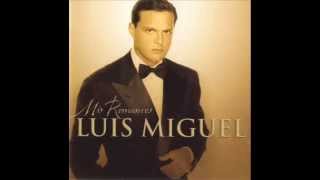
Cruz De Olvido Lyrics in English by Luis Miguel
Hastío translates to "weariness," "boredom," or "tedium." It's a strong word that conveys a deep sense of emotional exhaustion and disenchantment, going beyond simple sadness.
In "Cruz De Olvido," Luis Miguel sings, "Y en esa cruz sin ti / Me moriré de hastío" (And on that cross without you / I will die of weariness). This powerful imagery suggests that being without his love would lead to a profound, soul-crushing emptiness, making hastío a particularly poignant and memorable word in the context of the song's emotional depth.
Luis Miguel, the incredible artist from Mexico, brings us a truly moving song with "Cruz De Olvido" [Cross of Forgetting]. This isn't a happy love song; it's about a heartbreaking goodbye. The singer is leaving his beloved, not because he doesn't love them, but because he believes it's for their own good. He sings, "Con el atardecer me iré de ti" [With the sunset I will leave you] and "Te juro corazón Que no es falta de amor Pero es mejor así" [I swear, my heart, It's not a lack of love But it's better this way].
He knows this departure will cause pain for both of them, but he'd rather suffer alone than make his loved one cry because of him. He imagines his boat carrying a "cruz de olvido" [cross of forgetting] and a "cruz de amor" [cross of love], and on that cross, without them, he'll die of boredom or weariness. It's such a dramatic image, isn't it? He's truly sacrificing his own happiness for what he perceives as their well-being, even as he declares, "Recuerda que te amé Que siempre te he de amar" [Remember that I loved you That I will always love you].