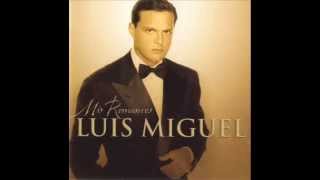
De Nuevo El Paraíso Lyrics in English by Luis Miguel
Espejismos translates to "mirages." It's a captivating and somewhat uncommon word that evokes images of illusion and deception.
In the song, Luis Miguel sings about a newfound freedom "Sin frenos ni espejismos" (Without brakes or mirages). He uses this word to convey a sense of clarity and authenticity, suggesting that he is now living without illusions or false perceptions, embracing a true and unhindered reality.
Luis Miguel sings this one from the morning after. The opening inventory is all release — De nuevo el sol / La luz de libertad ("Once again the sun / The light of freedom") — and then the hook lands the catch: the paradise he has walked back into is De nuevo el paraíso sin ti ("Once again paradise without you"). Freedom and loss arrive in the same breath, which is how he can be Volviendo a ser feliz ("Becoming happy again") while standing Al borde del abismo ("On the edge of the abyss").
What he plans to do with that freedom is deliberately unromantic: Volver a sondear mil corazones ("To delve into a thousand hearts again"), Amores que se usan y se tiran ("Loves that are used and thrown away"), Sentir pegado a mí un cuerpo nuevo ("To feel a new body stuck to me"). The song keeps circling back to Y viajar por esos labios / Por primera vez ("And travel through those lips / For the first time"), and by the last chorus that promised first time sounds less like a plan than something he is repeating to convince himself.