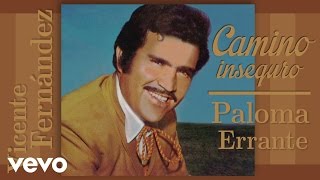
Estos Celos Lyrics in English by Vicente Fernández
Ajena is the feminine form of ajeno, meaning “belonging to someone else,” “foreign,” or “not yours.”
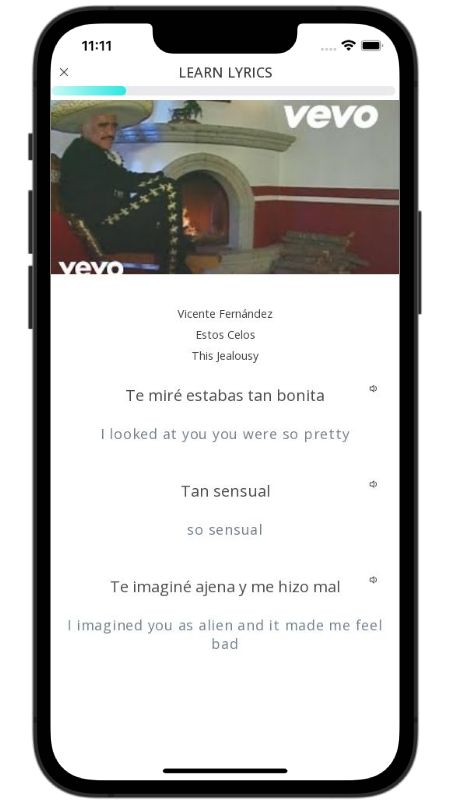
When Vicente Fernández sighs, “Te imaginé ajena y me hizo mal,” he captures the sting of picturing the woman he loves in another’s arms. This short, uncommon adjective packs a punch of jealousy and heartbreak—exactly the kind of vivid word that sticks in your memory.
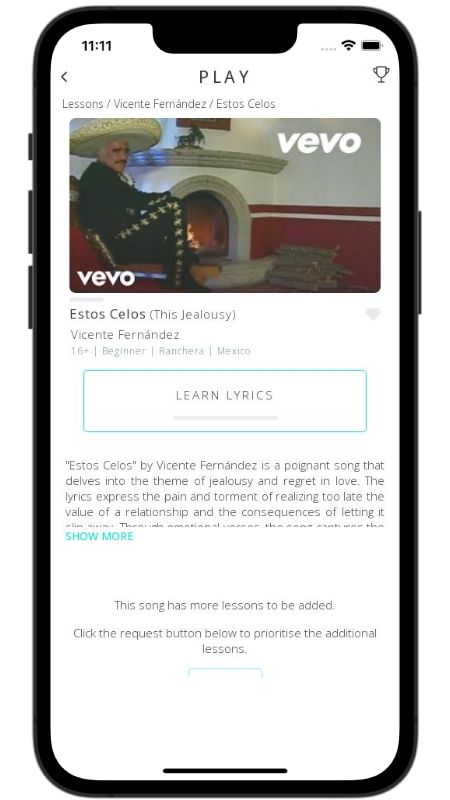
Mexican ranchera icon Vicente Fernández delivers a blast of pure regret in "Estos Celos". The narrator spots his ex looking gorgeous, taking in details like her windblown hair and "al ras de tu escote, tu lunar" [right at the edge of your neckline, your beauty mark]. Seeing her looking that good instantly backfires on him. He realizes she belongs to someone else now ("ajena"), and the thought eats him alive. For a second, he mistakes a falling tear for a sign she still cares, only to realize the hard truth: "No, ya no hay amor / No, y fue mi error" [No, there is no love anymore / No, and it was my mistake].
The chorus hits the main point with zero filter: "Estos celos me hacen daño, me enloquecen" [This jealousy hurts me, it drives me crazy]. In Spanish, saying someone is ajena means they are taken or belong to someone else. The real gut punch across the whole track is the brutal repetition of "Contigo tenía todo y lo perdí" [With you I had everything and I lost it]. He knows he wrecked the relationship, admits he will never learn to live without her, and is stuck spiraling while watching from the sidelines.