Ahora Te Puedes Marchar Lyrics in English by Luis Miguel
Juras is the present tense of the verb jurar, which means "to swear" or "to make a solemn promise". It's a word packed with drama and high emotional stakes.
In the song, Luis Miguel's ex-lover returns and "juras que has cambiado" (swears that you have changed). This one word tells a whole story of betrayal and a desperate plea for a second chance, making it much more powerful than simply saying "you say you've changed".
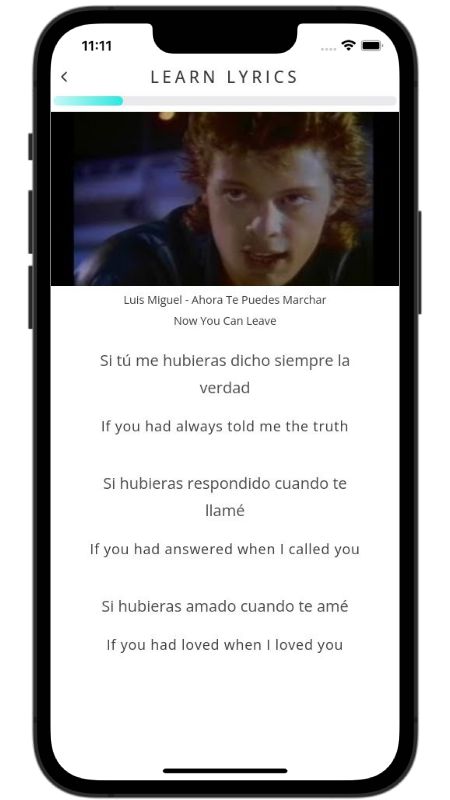
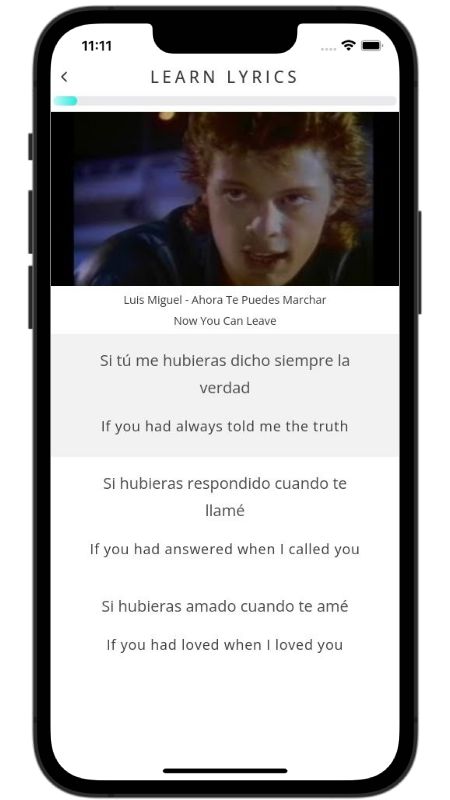
Mexican pop star Luis Miguel brings pure swagger to this ultimate breakup anthem. The whole story is a classic case of "you had your chance, and you blew it." The narrator lays down all the things his ex failed to do: tell the truth, pick up the phone, and love him back when he actually cared. Now she comes back calling, swearing she has changed, but he is completely over it. His response is swift and ice-cold: "Si no supiste amar, ahora te puedes marchar" ("If you didn't know how to love, now you can leave").
What makes this track so fun is how wonderfully blunt he gets. There is zero room for negotiation here. He tells her straight up, "Aléjate de mi, no hay nada más qué hablar" ("Get away from me, there is nothing left to talk about"). Then he drops the ultimate victory line: "Contigo yo perdí, ya tengo con quién ganar" ("With you I lost, now I have someone to win with"). It is a bold, upbeat way of saying that time moved on, he changed too, and finding someone better is the sweetest revenge.