Bandoleros Lyrics in English by Don Omar, Tego Calderón
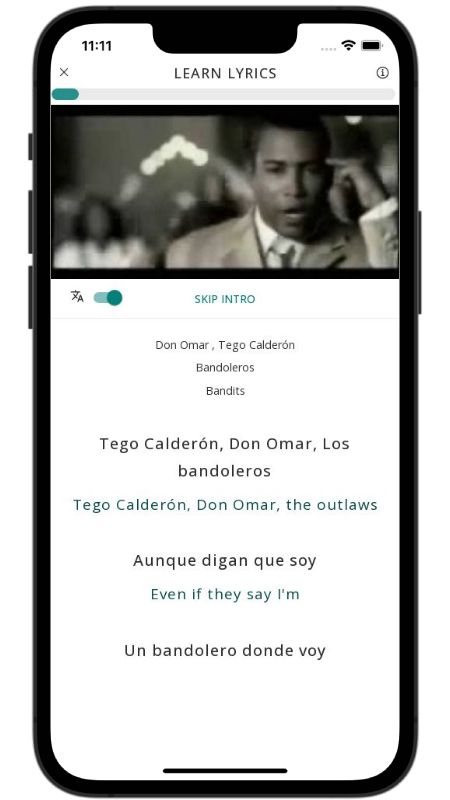
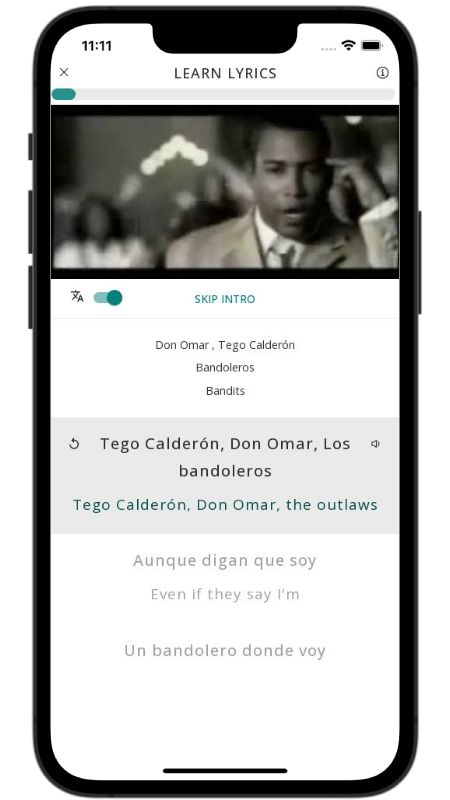
Bandolero translates to "outlaw" or "bandit". It's the central theme of the song and a powerful word that evokes images of rebels and mavericks from old stories.
In "Bandoleros," Don Omar and Tego Calderón embrace this label. They use it to describe themselves as outsiders who are judged by society but remain proud and authentic, living by their own code. It's not just about being a criminal, but about being a misunderstood figure who stays true to their roots and their people.
This song is a powerful statement from two of reggaetón's biggest stars, Don Omar and Tego Calderón. They hit back at the media and society for labeling them as outlaws, or "bandoleros." The main idea is a huge thank you to the fans who made them successful, mixed with frustration at being judged. They say, "Aunque digan que soy / Un bandolero donde voy / Le doy gracias a Dios / Por hoy estar donde estoy" (Even though they say I'm a bandit wherever I go / I thank God for being where I am today). They promise to stay true to themselves, crediting their audience for everything: "Ustedes todo me lo han dado" (You all have given me everything).
Both artists use their verses to point out hypocrisy. Tego Calderón compares himself to a corrupt politician who steals money but gets re-elected, while artists like him get thrown in jail. Don Omar gets personal, talking about his own legal troubles and how quickly the press turned on him. He went from being "el rey del perreo" (the king of perreo) to just "otro posible reo" (another possible inmate). He asks for empathy, reminding everyone that "El beneficio de la duda cualquiera merece" (Anyone deserves the benefit of the doubt). It's a defense of their character and a critique of a system they feel is stacked against them.