HACIENDO QUE ME AMAS Lyrics in English by Bad Bunny
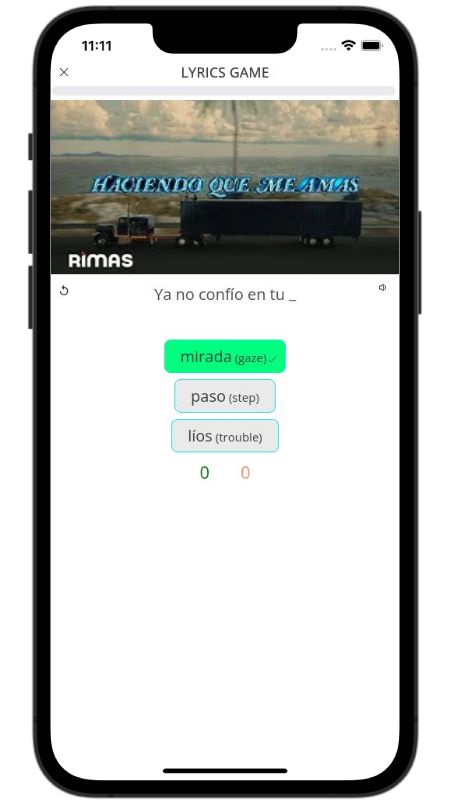
Mecí is the past tense of "mecer", a beautiful verb that means to rock, sway, or gently swing.
In a nostalgic line, Bad Bunny sings "me besaste y en el aire me mecí" (you kissed me and I swayed in the air). He uses this highly poetic word to vividly capture that magical, weightless sensation of floating you feel during a perfect first kiss.
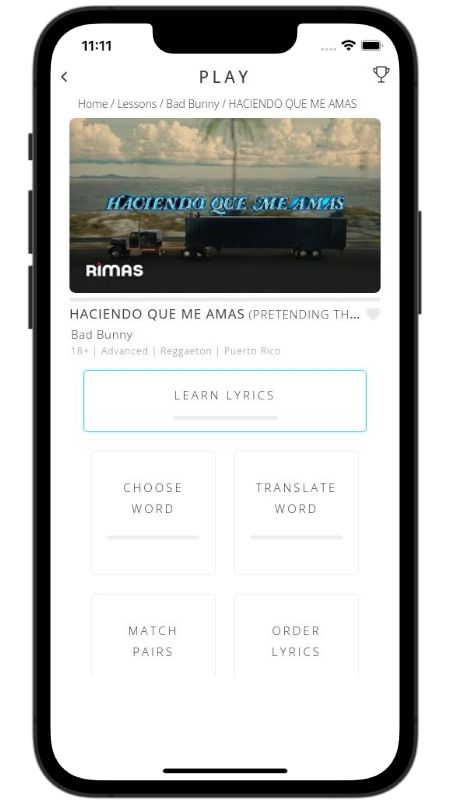
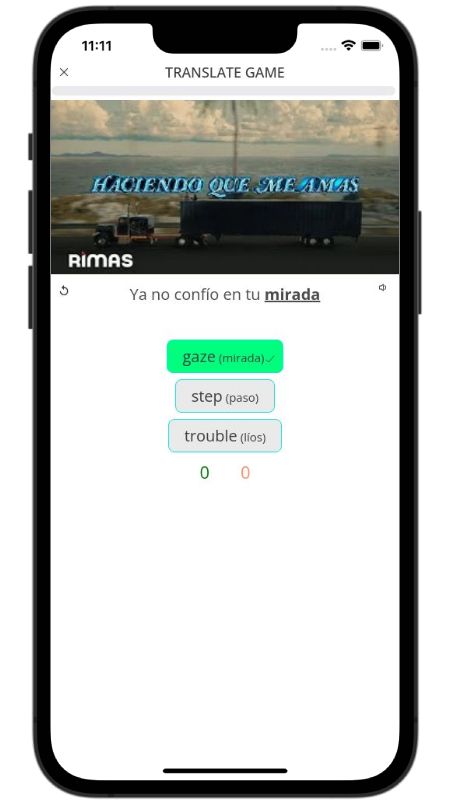
Puerto Rican star Bad Bunny takes a break from party anthems to deliver a painfully honest breakup track in "HACIENDO QUE ME AMAS". The title translates directly to "Pretending that you love me", and the whole song tackles the awkward, painful phase where a relationship is clearly dead, but one person keeps acting like everything is fine. He begs his partner to stop faking it: "Y si ya se acabó / No lo ocultes, dímelo / No lo hagas peor / Haciendo que me amas" [And if it's already over / Don't hide it, tell me / Don't make it worse / Pretending that you love me]. He looks back on their history, contrasting the sweet beginnings with how hollow things feel now, noting that even her voice sounds weird when she says "te amo" [I love you].
Bad Bunny packs the track with authentic Puerto Rican slang to express his exhaustion. He drops the heavy curse word "está cabrón" [it's really tough / messed up] to describe becoming complete strangers again after so many years together. When he is finally ready to walk away, he says "suéltame en banda, que me atraso" [let me go / drop me, because you're holding me back]—using the Caribbean idiom "soltar en banda" (to cut ties or leave someone alone). He even admits to feeling foolish, saying "Me siento hasta pendejo creyéndome to' lo que dice Amós" [I even feel like an idiot believing everything Amos says], referencing the biblical prophet Amos who preached about fate and truth. By the end, he asks for his heart back "aunque sea en pedazos" [even if it's in pieces] so he can glue it back together step by step, reminding himself that everyone is born alone and dies alone, so you should never lose who you are over anyone.