Soy El Diablo Lyrics in English by Natanael Cano
Vagancia translates to 'idleness' or 'loafing', and it refers to the state of being a 'vago' (a loafer or wanderer).
In "Soy El Diablo," Natanael Cano embraces this identity, singing "la vagancia me ha gustado" (I've liked the vagabond life). This word is central to the song's narrative of someone who started from humble beginnings, was underestimated, and now has earned respect. It's an interesting word that captures a lifestyle often associated with freedom and a disregard for conventional paths, making it memorable and unique to the song's theme.
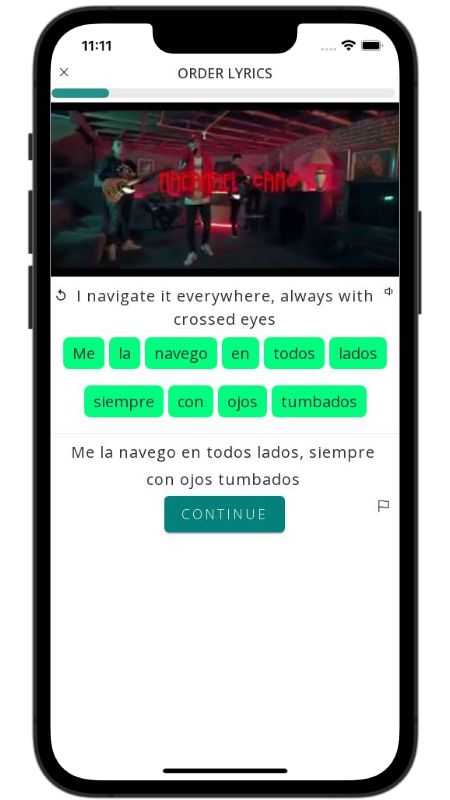
Picture a young hustler cruising through the streets with half-closed eyes and a devilish grin. In Soy El Diablo, Natanael Cano adopts the fearless persona of “El Diablo,” a nickname that warns rivals to keep their distance. He flaunts his street smarts, a trusty Beretta, and a reputation built on equal parts party spirit and caution. The lyrics sketch a man who laughs in the face of danger, already “cured” of fear, and who dares anyone to test him at their own risk.
Yet the song is more than pure bravado; it is a rags-to-riches chronicle. Cano remembers scraping coins together, wearing second-hand clothes, and being mocked by the neighborhood. Refusing to quit, he works until the dice finally roll his way. Now money, respect, and romantic attention rain down, though he keeps his guard up against opportunists. Rooted by deep love for his mother and family, he promises to provide for them forever. The result is a corrido tumbado that mixes tough talk with hard-earned wisdom, celebrating resilience, loyalty, and the steep price of earning the title “El Diablo.”