Sem Samba Não Dá Lyrics in English by Caetano Veloso
Beijo d'onça literally translates to "jaguar's kiss". It's a fascinating Brazilian idiom used to describe a false or treacherous act of affection—something that seems sweet on the surface but is actually harmful.
In the song, Caetano Veloso sings about a "doce beijo d'onça" (a sweet jaguar's kiss), creating a powerful oxymoron. He uses this poetic phrase to capture the complex, bittersweet, and sometimes contradictory nature of modern Brazilian culture that he observes throughout the lyrics.
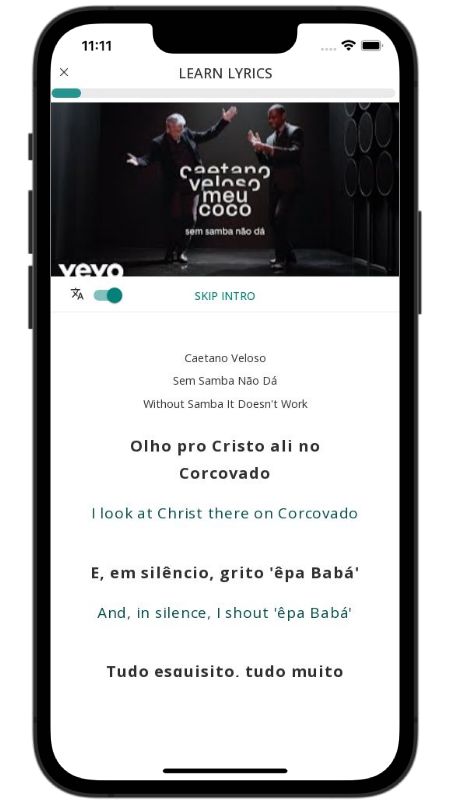
Caetano Veloso kicks this song off with a classic Brazilian image: looking up at the Christ the Redeemer statue in Rio. But right away, things get complicated. He says, "Tudo esquisito, tudo muito errado / Mas a gente chega lá" (Everything's weird, everything's very wrong / But we'll get there). He sees the friction and the mess of modern life, but he also sees a way through, and that way is music.
This song is a massive celebration of the sheer variety of modern Brazilian music. Caetano lists dozens of contemporary artists, from sertanejo stars like Marília Mendonça to trap and funk artists like MC Cabelinho and Gabriel do Borel. It’s like a roll call of who's who in Brazil right now. But through it all, he keeps coming back to one central idea, repeated over and over: "Só que sem samba não dá" (But without samba, it's not possible). For Caetano, samba isn't just another genre on the list; it's the essential foundation. No matter how much music changes or what new styles appear, everything is built on samba. It’s the soul of it all.