Que Me Quedes Tú Lyrics in English by Shakira
Ocaso is a beautiful and poetic word for 'sunset' or 'twilight'. It's a more literary alternative to the common phrase puesta de sol.
In this deeply romantic song, Shakira lists all the things in the world she would let disappear, as long as her love remains. She sings that she wants to stay with her partner 'después del ocaso' (after the sunset), using the word to symbolize a love that endures through darkness and lasts forever.
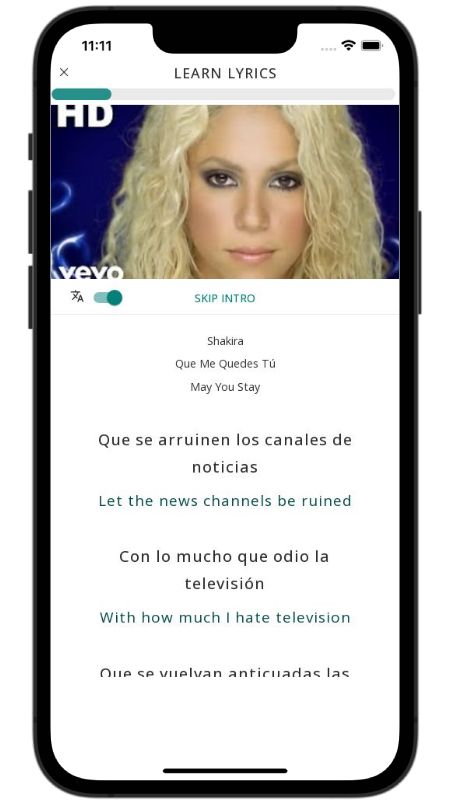
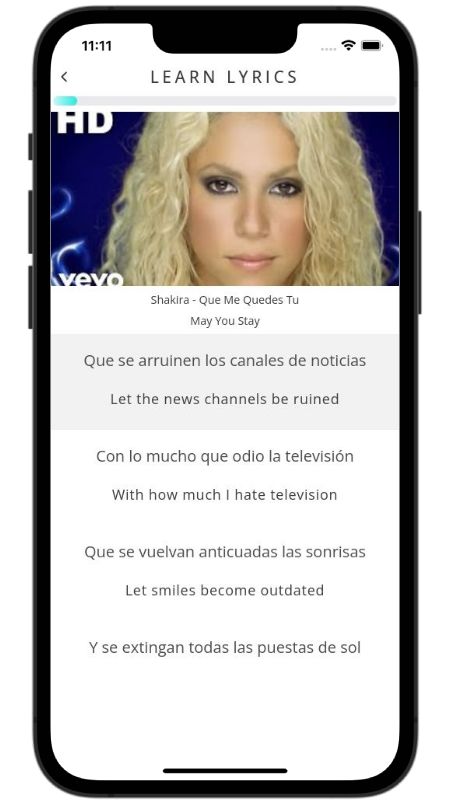
Colombian superstar Shakira takes total global ruin and shrugs it off in "Que Me Quedes Tú". She lists a dramatic, slightly hilarious catalog of disasters that could hit the world: news channels crashing ("Que se arruinen los canales de noticias"), action movies ending, sunsets going extinct, and neighbors vanishing while eating the leftovers of her innocence ("se coman las sobras de mi inocencia"). She even wishes away every philosopher, every drop of clean water, and the very last poet ("Y que se muera hoy hasta el último poeta"). The sheer drama of her list is pure pop gold.
Why let everything collapse? Because none of that noise matters as long as her person stays. She trades civilization for simple, intimate routines: "el beso que inventas cada día" (the kiss you invent every day) and holding onto their embrace after sundown ("después del ocaso"). When she sings "Y si me quedas tú / Me queda la vida" (And if I still have you, I still have life), she is making a blunt, sweeping statement about absolute romantic dependence. If the world burns down, she only needs one survivor.



















![Waka Waka (Esto Es Africa) [K-Mix] Lyrics Translation](https://img.youtube.com/vi/fSNxuAxjBCg/mqdefault.jpg)