Sombra De Ti Lyrics in English by Shakira
Insulto literally means "insult", but Shakira uses it in this song in a deeply poetic and unusual way. She sings about "el insulto del reloj" (the insult of the clock), giving an inanimate object a cruel, human quality.
This striking metaphor suggests that the constant ticking of the clock, marking the painful passage of time without her loved one, feels like a personal taunt. It's a unique phrase that beautifully captures the feeling of being trapped in grief.
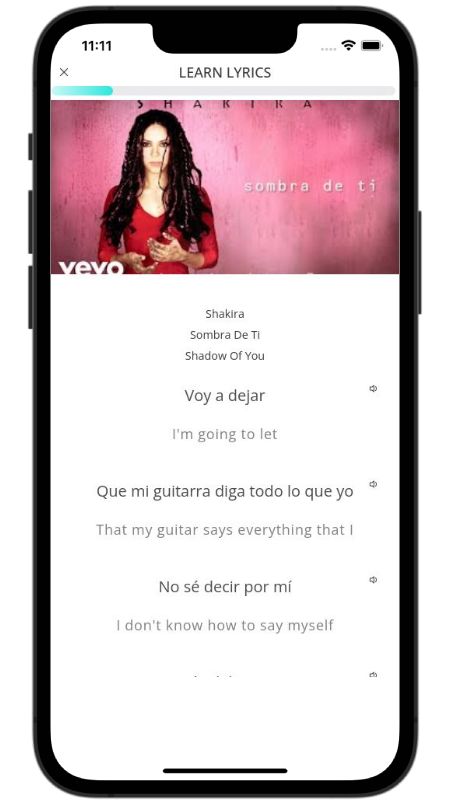
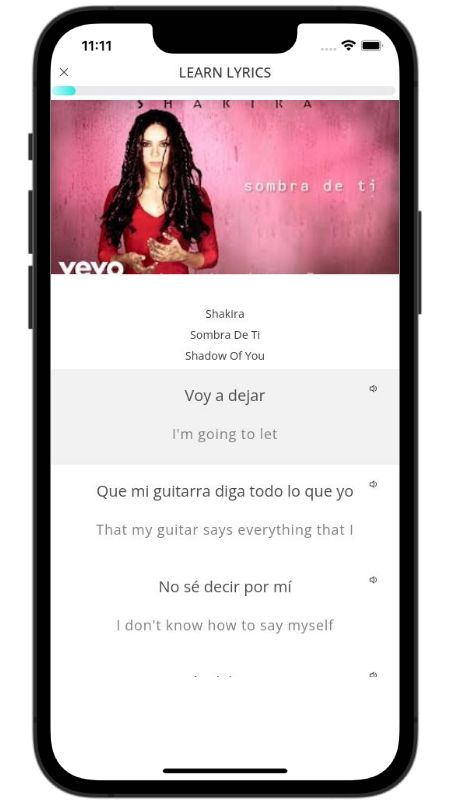
Colombian pop star Shakira leans hard into melodrama here, and it works because the imagery is so weirdly physical. Right from the start, she admits she can't find the right words on her own: Voy a dejar que mi guitarra diga todo lo que yo no sé decir por mí ("I'm going to let my guitar say everything I can't say myself"). From there, time itself turns hostile. She calls the passing minutes el insulto del reloj ("the insult of the clock"), waiting for it to finish planning her end. Smiling actually hurts, and breathing feels nearly impossible. To describe that, she uses a great Spanish idiom: cuesta un mundo respirar. Literally, that means "it costs a world to breathe," which is how Spanish speakers say something takes an immense, exhausting effort.
The real ghost story starts around the house. Instead of neat keepsakes, she writes that hay pedazos de tu boca sin querer regados por aquí ("there are pieces of your mouth accidentally scattered around here"). It is an odd, blunt image, but you instantly understand the feeling of bumping into memories left behind like discarded clutter. Past words and shared kisses keep rolling around the floor (siguen rodando por ahí), while her ex's outline lingers as la sombra de ti ("the shadow of you"). She sums up the whole messy trap in one sharp contradiction: Si no puedo estar contigo, ya no puedo estar sin ti ("If I can't be with you, I can't be without you anymore").