Te Necesito Lyrics in English by Shakira
Arenas movedizas literally translates to 'quicksand' in English. It is formed by combining arenas (sands) with movedizas (shifting or moving), creating a highly visual phrase for an unstable trap that pulls you under.
In this emotionally charged song, Shakira uses the phrase as a powerful metaphor to describe her profound sense of isolation. She sings about sinking into her loneliness like quicksand, beautifully capturing the physical sensation of being trapped and overwhelmed by sadness when missing the person she loves.
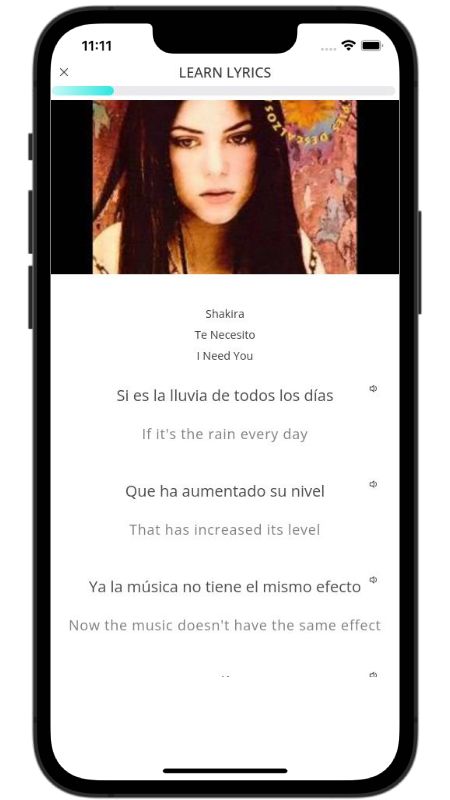
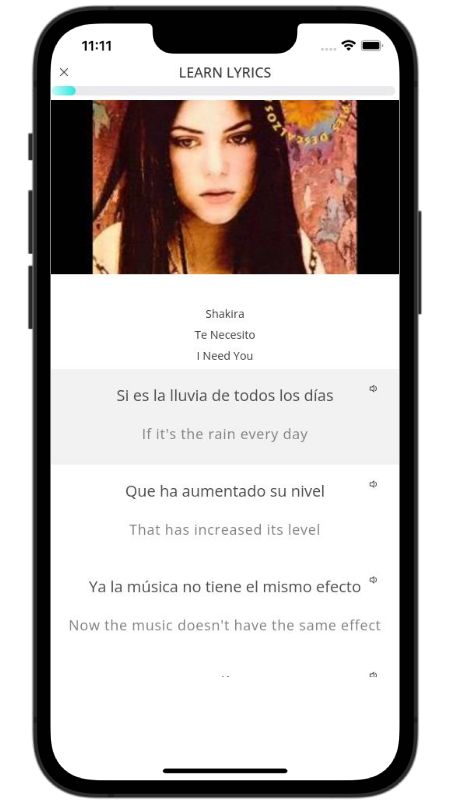
In "Te Necesito", Colombian pop icon Shakira is stuck in the kind of rut where even your favorite playlist stops working. She starts by admitting that music does not hit the same way anymore—"Ya la música no tiene el mismo efecto que solía tener" ("Music no longer has the same effect that it used to have")—because daily life feels like non-stop rain. She throws in a brilliant Spanish idiom to show how disconnected she feels: "Ni qué velas cargo dentro de este entierro" (literally "nor what candles I carry inside this burial"). It means she has no idea what her role is or why she is even involved, basically saying, "What am I even doing here?" She feels worn out and numb, wondering if she has lived ten thousand different days or just the exact same exhausting day ten thousand times ("Ya no sé si he vivido diez mil días o un día diez mil veces").
The only fix she sees is getting her person back. Without them, she compares herself to a needle in a haystack ("como una aguja en un pajar") and sinks into loneliness like quicksand ("como arenas movedizas"). The blunt chorus repeats "Te necesito, te necesito, mi amor" ("I need you, I need you, my love") followed by a total confession of helplessness: "Y es que no sé vivir sin ti / No he aprendido" ("And the thing is, I don't know how to live without you / I haven't learned"). She does not try to play it cool or act independent here. It is dramatic, completely direct, and shows someone who simply refuses to figure out how to survive alone.




















![Waka Waka (Esto Es Africa) [K-Mix] Lyrics Translation](https://img.youtube.com/vi/fSNxuAxjBCg/mqdefault.jpg)