Learn Portuguese With Song Lyrics


Vanessa da Mata is one of Brazil's most beloved singer-songwriters, known for her warm voice and her blend of MPB (Popular Brazilian Music) with pop, soul and reggae. Born in 1976 in the small town of Alto Garças, in the state of Mato Grosso, she taught herself music while growing up on a rich mix of Brazilian classics and international sounds. Over the 2000s she became a household name in Brazil, and she has since won a Latin Grammy Award and published her own novels.
"Boa Sorte / Good Luck" comes from her 2007 album "Sim" and is a duet with the American musician Ben Harper. She sang the melody to him over the phone, and he answered her Portuguese verses in English, giving the song its striking bilingual back and forth. The single reached number one in both Brazil and Portugal and opened the door to her international career.

Melim is a Brazilian pop trio made up of siblings Rodrigo, Gabriela, and Diogo Melim, twins Rodrigo and Diogo plus their younger sister Gabi, all born and raised in Niterói, in Rio de Janeiro state.
The group came together in 2015 and reached a national audience the following year as semifinalists on the Brazilian television competition "Superstar." Their self-titled debut album followed in 2018, filled with warm, acoustic-driven pop songs the three siblings wrote themselves.
Melim became known across Brazil for feel-good hits like "Meu Abrigo," "Ouvi Dizer," and "Gelo," blending pop melodies with gentle Brazilian singer-songwriter harmonies. That hopeful, easygoing spirit runs through their catalogue, wrapping simple wishes for peace and kindness in a breezy sound.

João Pedro Gonçalves and Pedro Leitão are the Portuguese-language singers behind this version of "Un Poco Loco," a song from the soundtrack of Disney and Pixar's animated film Coco (2017). In the Portuguese release, João Pedro Gonçalves, a male singer, voiced the song for Miguel, the film's young hero who dreams of becoming a musician. He performs the upbeat, mariachi-flavored number during the movie's lively talent-show scene, with Pedro Leitão joining in. The track mixes Portuguese verses with playful Spanish phrases like "un poco loco" and "mi amor," matching the film's Mexican Day of the Dead setting.

Arlindo Cruz was born in Rio de Janeiro in 1958 and was playing cavaquinho and banjo as a child. He learned his craft in the samba circles of the city, with the great Candeia as a mentor, and came up through the Cacique de Ramos scene next to Zeca Pagodinho and Sombrinha.
He spent twelve years in Fundo de Quintal, the group that shaped modern pagode, and wrote more than 550 songs recorded by singers like Beth Carvalho and Alcione, plus winning carnival sambas for Império Serrano. Solo, he made albums such as Batuques e Romances and the live Batuques do Meu Lugar, where Caetano Veloso and Zeca Pagodinho joined him. A stroke in 2017 kept him off stage for his last years, and he died in August 2025 at 66.

Paulo Sousa is a talented Portuguese pop singer and YouTuber, born on October 31, 1991, in Coimbra, Portugal. He gained national recognition by placing third in the sixth season of Ídolos, the Portuguese version of American Idol.
Known for his soulful vocals and skills on piano, guitar, and clarinet, Paulo has released his debut album Teu in 2018, which reached number one on the Portuguese charts. Throughout his career, he has earned multiple awards at the VidYou Festival, celebrating his impact on music and social media. Paulo continues to inspire fans by blending his musical talents with engaging online content.

Marisa Monte grew up in Rio de Janeiro, born into a musical family: her mother sang and her father worked as a musical director. She trained her voice with an opera teacher before turning to popular music, and by the late 1980s she had become a central figure in Música Popular Brasileira, an alto who moves easily between samba, jazz, pop, and soul within a single record.
Her 1994 album Verde, Anil, Amarelo, Cor de Rosa e Carvão carried her music well beyond Brazil, and she has since won four Latin Grammy Awards. In 2002 she teamed up with Arnaldo Antunes and Carlinhos Brown to form Tribalistas, whose self-titled album sold more than two million copies across Latin America. She followed it by releasing two solo records on the same day in 2006, Universo ao Meu Redor and Infinito Particular, and has collected eight Brazilian Music Awards and seven MTV Video Music Brazil trophies over her career.

Marília Mendonça was a Brazilian singer and songwriter from Cristianópolis, in the state of Goiás. Born in 1995, she started writing songs as a child and launched her recording career in 2014, quickly becoming one of the biggest names in sertanejo music.
She was known as the Queen of Sofrência, the heartbreak-driven side of sertanejo, and helped lead the feminejo movement of women artists in a genre long dominated by men. Her powerful voice and honest lyrics about love and longing turned her into a superstar across Brazil. Marília died in a plane crash in November 2021 at just 26 years old, and she is still celebrated as one of the country's most beloved voices.

Jimmy P, born Joel Plácido in Barreiro, Portugal in 1983, is the son of Angolan parents; his father, Jorge Plácido, played international football for Portugal. He grew up moving between Portugal, Angola and Paris, and that mix of places shaped the sound he built his career on: a blend of rap and R&B rooted in Portugal's urban music scene.
He released his debut album "#1" in 2013, followed by "fvmily f1rst" in 2015 and the mixtape "Alcateia" in 2018. His 2020 album "Abensonhado" became his most commercially successful release. That same year he teamed up with singer-songwriter Carolina Deslandes on the EP "Mercúrio," trading his usual rap delivery for a straightforward vocal performance, a rare choice for an artist known for his flow.

Kaoma was a French Brazilian group formed in Paris in late 1988, built around the Brazilian singer Loalwa Braz, who had been living in France for years and recorded in Portuguese, Spanish, French and English. She fronted a genuinely international line-up: bassist Chyco Dru from Martinique, guitarist Jacky Arconte from Guadeloupe, keyboardist and producer Jean-Claude Bonaventure, drummer Michel Abihssira and backing vocalist Fania Niang.
In the summer of 1989 the band released "Lambada", which topped the charts across Europe and Latin America and set off a worldwide dance craze. The song was not original, though: it was an unauthorised Portuguese version of "Llorando se fue", written in 1981 by the Bolivian folk group Los Kjarkas. After a two year legal battle, French courts ruled in favour of the original authors, and the Hermosa brothers, along with Portuguese lyricists Marcia Ferreira and Jose Ari, were finally credited and compensated.
Kaoma released three albums before splitting up in 1999. Loalwa Braz kept performing until her death in Brazil in 2017, and "Lambada" remains one of the most recognisable Portuguese language songs ever recorded.

Michel Teló is a Brazilian sertanejo singer-songwriter and actor, known internationally for his chart-topping hit "Ai Se Eu Te Pego." Born on January 21, 1981, in Medianeira, Paraná, Brazil, Teló began his musical journey as a child, learning the accordion and later leading his first band at age 12.
Before launching a successful solo career in 2008, he was the lead singer of the popular band Grupo Tradição. Teló's vibrant performances and catchy tunes have made him a global sensation, with his music celebrated by fans and athletes alike, including soccer stars Neymar and Cristiano Ronaldo. Beyond singing, he has also been a coach on "The Voice Brasil," further showcasing his dedication to mentoring emerging talent.

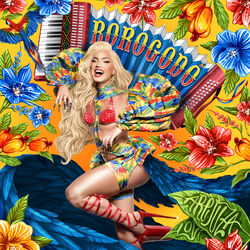
Ana Castela is a Brazilian singer-songwriter born in 2003 in Mato Grosso do Sul, where she grew up on a farm near the Paraguayan border. That rural upbringing shapes both her music and her nickname, "A Boiadeira" (the cowgirl), which she embraces with cowboy hats, boots, and a wide belt.
She helped popularize agronejo, a lively blend of sertanejo (Brazilian country music) and funk, after her 2021 single "Boiadeira" went viral. Her hit "Pipoco" made her a household name across Brazil, and in 2024 she won a Latin Grammy for Best Sertaneja Music Album. Today she is one of the country's biggest young stars, known for songs celebrating rural life, romance, and her ranching roots.

NAPA is a Portuguese indie pop and indie rock band from Madeira, known for blending heartfelt lyrics with modern, melodic sounds.
Formed in 2013, the group first gained attention with their early releases before evolving their style and switching to Portuguese lyrics, which brought a more personal and authentic feel to their music. Their breakthrough came with the song "Deslocado", which won Portugal’s Festival da Canção and represented the country at Eurovision 2025, gaining international attention and viral popularity.
With influences ranging from classic rock to contemporary indie, NAPA creates music that captures themes of identity, nostalgia, and belonging.
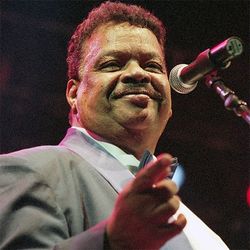
Tim Maia, born Sebastião Rodrigues Maia in Rio de Janeiro in 1942, was the singer who gave Brazil its own brand of soul. He started out as a teenage drummer and singer in the Tijuca neighbourhood, spent a few restless years in the United States soaking up rhythm and blues, then came home and poured all of it into Portuguese.
His self-titled 1970 debut made him a national star almost overnight, carried by classics such as "Azul da Cor do Mar" and "Primavera". Over the next three decades he practically invented samba soul and Brazilian funk, took a famous mystical detour with the "Racional" albums, and became as legendary for his huge, unpredictable personality as for his voice. He died in 1998 at the age of 55, and his songs are still everywhere in Brazil, from beach radios to film soundtracks.
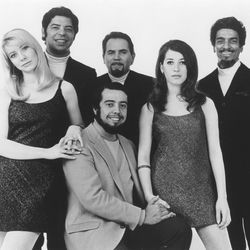
Sergio Mendes (1941 to 2024) was a Brazilian pianist and bandleader, and one of the artists who carried bossa nova and samba to audiences around the world. Early in his career he played alongside Antonio Carlos Jobim, and in the mid 1960s he formed the group Brasil '66.
Their debut album gave them their first hit with this very song, a cover of Jorge Ben's "Mas Que Nada" sung in Portuguese with bright, breezy vocal harmonies. Decades later Mendes recorded it again with the Black Eyed Peas, introducing the tune to a whole new generation. He remains one of Brazil's most beloved musical ambassadors.

Jão is the stage name of João Vitor Romania Balbino, a pop singer and songwriter born in 1994 in Américo Brasiliense, a small town in the interior of São Paulo state. He started out posting covers on YouTube in 2016, the videos caught the attention of producers Pedro Dash and Marcelinho Ferraz, and his first single, "Dança pra Mim", came out at the end of that year.
His albums Lobos (2018), Anti-Herói (2019), Pirata (2021) and Super (2023) are mostly heartbreak records, full of songs about loving someone a little too much or a little too late. "Vou Morrer Sozinho", "Imaturo", "Idiota" and "Essa Eu Fiz pro Nosso Amor" are the ones his fans sing loudest, and he teamed up with Anitta on "Pilantra". Each album got its own big tour, and the SuperTurnê filled arenas across Brazil.

Rouge formed in Brazil in 2002, when the television talent show Popstars picked five singers, Aline Wirley, Fantine Thó, Karin Hils, Li Martins, and Lu Andrade, out of roughly 30,000 hopefuls. Their debut album sold more than two million copies, the best-selling record by a female group in Brazilian history, driven by hits like "Ragatanga," which topped the charts for eleven straight weeks, plus "Não Dá pra Resistir" (Can't Resist It) and "Beijo Molhado" (Wet Kiss).
After splitting up in 2005 following the album Mil e Uma Noites (A Thousand and One Nights), Rouge returned to the studio in 2018, and their fifth album, Les 5inq, gave them their first new music in fourteen years. Across both eras the group has sold around six million records, the biggest total for a girl group anywhere in Latin America.

Anderson Freire grew up in Monte Alegre, a community in Cachoeiro de Itapemirim in the south of Espírito Santo, Brazil. He first sang with the gospel group Banda Giom, and before most people knew his voice he was already writing songs for some of the biggest names in Brazilian gospel, including Aline Barros, Fernanda Brum, Bruna Karla and Cassiane.
He went solo in 2010 after signing with MK Music. Raridade, released in 2013, was the album that changed everything, and it became one of the best-selling Brazilian gospel records in years. His other albums include Identidade, Deus Não Te Rejeita and Contagem Regressiva, and he has won the Latin Grammy for Best Portuguese Language Christian Album twice, for Deus Não Te Rejeita and the EP Seguir Teu Coração.

Emanuella Tenório Rocha was born in 1986 in Major Izidoro, Alagoas, but it was Pará that turned her into a star. She started out in a church choir as a kid, was singing professionally with a forró band in Ceará at 14, and in 2009 joined Banda Batidão, where she became one of the leading voices of tecnomelody, the fast, synth-driven dance music of Brazil's North.
The rest of Brazil caught up in 2023, when "Daqui Pra Sempre", her Portuguese version of Loreen's "Tattoo" recorded with Simone Mendes, went to number one on the Billboard Brasil Hot 100. Her songs are made for dancing and for getting over heartbreak, and she sings them at full volume.

Gilsons formed in Salvador, Bahia in 2018, when Gilberto Gil's son José Gil and his grandsons Francisco and João Gil started playing together at a family show. Gilberto Gil, the tropicália songwriter and former Brazilian Minister of Culture, is the family patriarch, and it was José's sister Preta Gil who suggested the trio's name.
The band built its sound out of Bahian rhythms, mixing samba, funk, rap and afoxé with pop production. Their 2019 EP, also titled Várias Queixas, became their breakout release, its title track built around a reworked sample of the Salvador carnival group Olodum. "Love Love" and "Devagarinho" followed, and their debut album Pra Gente Acordar earned a Latin Grammy nomination for Best Contemporary Pop Album in Portuguese Language.

Jota Quest started out in Belo Horizonte, Minas Gerais, in 1993 under the name J. Quest, borrowed from the cartoon Jonny Quest. Trademark trouble with Hanna-Barbera made them spell the J out the Portuguese way, and they have been Jota Quest ever since. Rogério Flausino sings, with Marco Túlio Lara on guitar, PJ on bass, Márcio Buzelin on keyboards and Paulinho Fonseca on drums.
Their pop leans hard on funk and soul, and it has been all over Brazilian radio since the late 1990s with songs like "Fácil", "Dias Melhores" and "Na Moral". Albums such as De Volta ao Planeta, Oxigênio, La Plata and Funky Funky Boom Boom kept the run going, and the compilation Quinze won the 2012 Latin Grammy for Best Brazilian Contemporary Pop Album.

Lagum came together in 2014 in Minas Gerais, Brazil, when singer Pedro Calais started posting his own songs online and pulled together a band to play them. Guitarists Otávio Cardoso and Jorge Borges and bassist Francisco Jardim rounded out the lineup, and together they built a sound that mixes breezy pop rock with a reggae swing, something the band once described as rock and roll heading to the beach on a skateboard while a reggae song plays.
That sound landed them a deal with Sony Music Brazil and a run of albums that started with Seja o Que Eu Quiser in 2016 and continued through Coisas da Geração, Memórias (De Onde Eu Nunca Fui), a 2021 Latin Grammy nominee for Best Rock or Alternative Album in Portuguese Language, Depois do Fim, and As Cores, As Curvas e As Dores do Mundo. Singles like "Não Vou Mentir," "Ninguém Me Ensinou," and "Grato um Tanto" turned Lagum into repeat winners of Multishow's Group of the Year award in 2020, 2021, and 2022.

Wanessa, born Wanessa Godói Camargo on December 28, 1982, is a Brazilian pop singer and songwriter from Goiânia, Brazil. She is the daughter of the famous sertanejo singer Zezé Di Camargo, and she launched her own career as a teenager in the early 2000s. "Sem Querer" appears on her self-titled 2002 album and became one of her best-known early hits, a heartfelt pop ballad about apologizing to someone she loves after an unintentional mistake. Over her career Wanessa has moved between romantic pop and dance music, becoming one of Brazil's most recognizable female pop voices.

Thiago Brava, born Thiago de Morais Ramos on June 14, 1986, in Goiânia, Brazil, is a Brazilian singer and songwriter working in the sertanejo style. He took up music as a teenager and broke through in 2017 with the massive hit "Dona Maria," which became one of the most-played sertanejo songs of the year. On this track he is joined by Jorge, one half of the enormously popular duo Jorge & Mateus, whose warm voice carries the song's feel-good chorus. Together they turn a simple story, a nervous young man asking a mother for permission to date her daughter, into a catchy, romantic singalong that charmed the whole country.
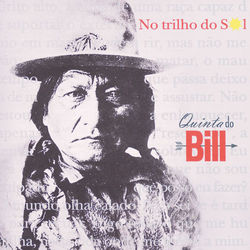
Quinta do Bill formed in September 1987 at a farm near Tomar, Portugal, owned by a man named Guilherme, whose nickname, Bill, gave the group its name. Founding members Carlos Moises, Paulo Bizarro, and Rui Dias built the band's sound around folk rock, later widening it with hints of Celtic, North African, and Andean music alongside the fado and popular styles already running through Portuguese radio.
A run of contest wins carried the band from local stages to a record deal: a spot in the 1988 Rock Rendez-Vous final and the top prize at RTP's Aqui D'el Rock in 1990 led to their debut album, Sem Rumo, in 1992. Os Filhos da Nacao (1994) turned that momentum into a gold record and the band's best-known songs, including the title track and "Senhora Maria do Olival," and Quinta do Bill has kept releasing music and touring since, including a symphonic concert with the Portuguese Symphonic Band at Porto's Coliseu in 2014.

Gabriela Rocha es una cantante de música gospel de Brasil. Su carrera comenzó a ganar reconocimiento por su voz potente y emotiva, dedicándose a la alabanza y adoración.
Es muy conocida por sus interpretaciones de canciones de adoración. Entre sus temas más populares se encuentran "Lugar Secreto", "Creio Que Tu És a Cura" y "Hosana". También ha lanzado álbumes como "Pra Onde Iremos?" y "Céu".
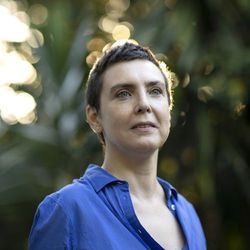
Adriana Calcanhotto grew up in Porto Alegre, the daughter of a musician of Italian descent, and started playing music professionally in the mid-1980s. She moved to Rio de Janeiro and spent years working the city's small bars and street festivals, repeating the same short set night after night before it caught on, and released her debut album, a mix of covers and one original song, in 1990.
Her sound sits inside MPB but pulls from samba, bossa nova, rock and pop, carried by a wide vocal range and a phrasing that reads almost conversational. The self-written Senhas (1992) gave her the hit "Esquadros," and Marítimo (1998) produced "Vambora," still one of her most streamed songs. She later built a parallel persona, Adriana Partimpim, for a run of children's albums, and she has taught and served as an artistic ambassador at the University of Coimbra in Portugal.

Amado Batista is a celebrated Brazilian singer, musician, and composer born on February 17, 1951, in Catalão, Goiás. With a career spanning over four decades, he has become one of the most successful artists in Brazilian music history, selling more than 13 million records.
Known for his distinctive blend of Brega, Música Popular Brasileira (MPB), and Sertanejo music, Amado Batista has recorded 38 albums and received numerous awards, including 28 gold, 28 platinum, and one diamond record. Aside from his music career, he has also appeared in Brazilian films during the 1980s, showcasing his versatility as an artist. His heartfelt lyrics and captivating melodies continue to resonate with audiences across Brazil and beyond.


Manu Bahtidão is a Brazilian singer and songwriter, born Emanuella Tenório Rocha in Major Izidoro, in the state of Alagoas. Although she was born in the northeast, she built much of her life and career in the Amazon state of Pará, where she became a leading voice in tecnobrega and Brazilian pop.
She broke through nationally in 2023 with "Daqui Pra Sempre", her Portuguese version of Loreen's hit "Tattoo", recorded with Simone Mendes. The song topped charts across Brazil and turned her into one of the country's most streamed artists. Known for her powerful voice and high energy live shows, Manu blends the party spirit of brega with heartfelt, crowd pleasing songs about love and resilience.

Liniker de Barros Ferreira Campos, known simply as Liniker, is a Brazilian singer, songwriter, and actress born in Araraquara, in the state of São Paulo. She grew up in a musical household surrounded by samba, samba rock, and soul, and first found wide attention as the leader of the band Liniker e os Caramelows, whose viral single "Zero" and crowdfunded debut album Remonta made her one of the freshest voices in Brazilian Black music.
Liniker publicly came out as a transgender woman in 2017 and launched her solo career in 2020 with the acclaimed album Indigo Borboleta Anil. In 2022 she became the first transgender woman to win a Latin Grammy, and in 2023 she was named to a chair in the Brazilian Academy of Culture, another historic first. Her sound blends R&B, blues, and soul with the rhythms of samba rock, and CAJU, the 2024 album that includes "Tudo," is a warm, romantic showcase of that eclectic style.

António Zambujo is one of Portugal's most celebrated voices, a singer who has gently reinvented fado for a new generation. Born in 1975 in Beja, in the southern Alentejo region, he grew up surrounded by the area's rich choral tradition known as Cante Alentejano and fell in love early with the great fado voices, above all Amália Rodrigues. He first trained on the clarinet as a child and won his first fado contest at just sixteen.
His warm, understated style blends fado with jazz, bossa nova and Brazilian music, and it has earned him awards at home and Latin Grammy nominations abroad. This song comes from his album Cidade, written and composed entirely by fellow Portuguese musician Miguel Araújo, who also joins him on the track.

Dilsinho (born Dilson Scher Neto in 1992) is a Brazilian singer-songwriter from Rio de Janeiro, raised on the Ilha do Governador. He got his first guitar from his father at age 13 and started out playing in local bars.
He began his career in 2009 with the band Para de Kaô, and before going solo he wrote songs recorded by other pagode and samba artists, including Thiaguinho, Alexandre Pires, and Sorriso Maroto. He launched his own solo career in 2014.
Known for blending pop, hip hop, and funk carioca into a style he calls "pagode diferentão," Dilsinho is one of the most streamed pagode artists in Brazil, and his hit "Péssimo Negócio" was the most-played song on Brazilian radio in 2019.

Thiago André Barbosa, better known as Thiaguinho, was born in 1983 in Presidente Prudente, in the countryside of São Paulo state, and grew up partly in Mato Grosso do Sul. He picked up several instruments as a kid and spent his teenage years chasing a singing career, catching his first real break through a TV Globo talent competition in 2002.
That exposure led to Exaltasamba, the pagode group he fronted from 2003 to 2012 after stepping in for departing vocalist Chrigor. He went solo in 2012 with "Ousadia & Alegria," which brought him a Latin Grammy nomination, then followed it with "Outro Dia, Outra História" and the double-platinum "Hey, Mundo!" His live specials, from "Tardezinha" to the "Infinito" series, turned pagode shows into arena-sized events, and songs like "Ponto Fraco" have racked up tens of millions of streams.

Larissa de Macedo Machado, known professionally as Anitta, is a Brazilian singer, songwriter, dancer, and actress born in Rio de Janeiro in 1993. Rising from humble beginnings, she gained national fame with her 2012 debut single "Meiga e Abusada" and quickly became known for blending genres such as pop, Brazilian funk, and reggaeton.
Anitta's energetic performances and versatile style earned her the title Queen of Brazilian Pop and numerous awards, including Latin American Music Awards and MTV Europe Music Awards. Fluent in Portuguese, Spanish, and English, she successfully crossed over to international markets with hits like "Envolver," which topped global charts and earned her Guinness World Records. Besides music, Anitta is recognized for her advocacy in social causes including LGBTQ rights, environmental protection, and women’s empowerment.

Maria Gadú is a singer and guitarist from Brazil who became known for her unique voice and acoustic guitar arrangements. She often performs her own compositions, bringing a thoughtful approach to popular Brazilian music.
Her self-titled debut album, Maria Gadú, introduced many to her work, including the popular song "Shimbalaiê." She is also recognized for her heartfelt interpretations of other artists' songs, like her version of "Ne me quitte pas." Her music often feels intimate and reflective.

Luan Santana is one of Brazil's biggest sertanejo and pop stars, born on March 13, 1991, in Campo Grande, Mato Grosso do Sul. He started singing sertanejo classics as a young child, and his father gave him his first guitar after spotting the talent.
Santana built a devoted following performing hundreds of shows a year before his 2009 live album, "Luan Santana Ao Vivo," sold over 100,000 copies and made him a household name. His debut studio album went gold on the strength of hits like "Adrenalina," and he has remained one of the country's top-grossing live performers ever since.
With the album "THE COMEBACK," which includes "ILHA," he leaned further into a glossier pop sound while keeping the heartfelt storytelling that first won over Brazilian audiences.

Matias Damásio is a celebrated Angolan singer and songwriter, known for his soulful blend of Kizomba, Semba, and romantic music. Born in Benguela, Angola, in 1982, he launched his career in 2000, captivating audiences with heartfelt performances that quickly earned him a devoted following.
Damásio gained widespread acclaim in Portugal with albums like Por Amor, which reached number four on the Portuguese Albums Chart, and Augusta, which topped the charts in 2018. His hit song "Loucos," featuring Héber Marques, further solidified his popularity across Lusophone countries. With numerous awards recognizing his talent, Matias continues to enchant fans with his rich vocals and emotional storytelling, bridging Angolan roots and Portuguese influence through his music.


IZA is one of Brazil's biggest pop and R&B stars, celebrated for her powerful voice and commanding stage presence. Born Isabela Cristina Correia de Lima Lima in Rio de Janeiro in 1990, she first built a following by posting covers of artists like Beyoncé, Rihanna and Sam Smith on YouTube. She signed with Warner Music Brasil in 2016, and her 2018 debut album Dona de Mim earned a Latin Grammy nomination for Best Portuguese Language Contemporary Pop Album.
In 2022 she became the first Black Brazilian woman to perform on Rock in Rio's main stage, the Palco Mundo, and she released her second album Afrodhit in 2023. Blending pop, R&B and Brazilian rhythms, IZA has become a leading voice in contemporary Brazilian music and a celebrated symbol of Black representation in the country's mainstream.


Calema are a duo of two brothers, António and Fradique Mendes Ferreira, from São Tomé and Príncipe who are now based in Portugal. Their name refers to the powerful swell of the ocean along the African coast.
After winning a national music competition back home in 2008, the brothers moved to Portugal to study and build their careers, and they were soon championed by the singer Anselmo Ralph. Blending kizomba, zouk and Afro-pop, their warm, romantic sound has made them one of the most popular acts singing in Portuguese. "A Nossa Vez" became a huge hit, ending 2017 as the most-watched non-Brazilian Portuguese-language music video on YouTube and going on to gather tens of millions of views. Today they are celebrated across the Portuguese-speaking world for their heartfelt love songs.

Major Lazer is an American electronic dance and reggae-fusion collective founded in 2008 by producer Diplo, who built the project's signature sound of dancehall, reggaeton, and pop over the years. The group has scored massive global hits like "Lean On," "Cold Water," and "Light It Up," and its lineup today includes Diplo alongside DJs Walshy Fire and Ape Drums.
"Sua Cara" is one of Major Lazer's boldest crossover moments: an all-Portuguese collaboration with Brazilian pop star Anitta and drag superstar Pabllo Vittar, released in 2017. The track pairs Major Lazer's booming bass production with the confidence and swagger of two of Brazil's biggest voices, making it a dance floor favorite far beyond Brazil.

Alexandre Pires is a Brazilian singer born in 1976 in Uberlândia, Minas Gerais. As a teenager he co-founded the pagode group Só Pra Contrariar with his brother and cousin, and became its lead voice through the 1990s as the band grew into one of Brazil's best-selling acts, even scoring a hit in Spanish with Gloria Estefan.
In 2001 Pires launched a solo career blending pagode and Brazilian pop with Spanish-language ballads, winning fans across Latin America alongside his home audience. He has kept moving between those styles ever since, returning to his pagode roots on a series of live albums recorded with full bands.



Danilo Oliveira Lellis grew up in Goiânia, the beating heart of Brazil's sertanejo scene, but he didn't stick to the genre's usual accordion-and-guitar sound. He built his own style instead, mixing trap and rap into sertanejo storytelling, and gave it a name: trapnejo.
The songs he built that way took off. "Sexta-Feira" with Grupo Pacificadores has racked up tens of millions of views, and "Open Bar," "Amor Bandido" and "Bagaceira" with Lucas Lucco kept the run going. He writes as much as he performs, too, penning songs for Gusttavo Lima, Henrique & Juliano and Zé Neto & Cristiano, and he now runs his own label, Máfia Records.


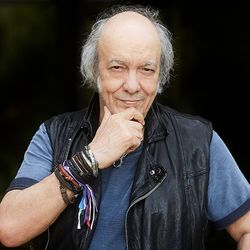
Erasmo Carlos was a prominent figure in Brazilian music. Hailing from Brazil, he was a key artist in the Jovem Guarda movement, which brought rock and roll influences to Brazilian popular music. He was also a prolific songwriter, often collaborating with Roberto Carlos on many classic songs. His work helped define a generation of music in Brazil.


Matheus Rizzo grew up in Franca, a city in the state of São Paulo, Brazil, where he joined a children's choir at his Adventist church at just seven years old. He started piano lessons at nine, and by twelve he was already running the sound board and playing during services.
He went on to study piano at the Souza Lima Conservatory in São Paulo and trained as an audio engineer in Ribeirão Preto. At twenty-two he released his first project, a DVD called Invisível, and he still owns a recording studio back in Franca, where he produces, arranges, and records much of his own material.
Rizzo now leads worship from Brasília, and his YouTube channel has passed 550,000 subscribers with well over 135 million views. He has put out more than fifty singles and over 200 music videos, most of them rooted in the same Adventist faith he grew up in. His songs favor simple, repeatable choruses that a whole congregation can pick up in seconds, which is a big part of why they travel so fast online.

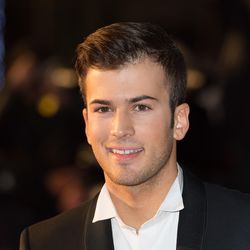
David Carreira is one of Portugal's biggest pop stars. Born in Dourdan, France, in 1991 and raised in a famously musical family as the son of the singer Tony Carreira, he broke through in 2011 with the album "N.1", which went straight to number one at home. Since then he has moved easily between radio pop, ballads and dance rhythms, and in 2019 he became the youngest Portuguese artist ever to sell out the Altice Arena in Lisbon.
On "Menta" he shares the microphone with Djodje, a Cape Verdean singer, songwriter and producer born in Praia in 1989 and now based in Lisbon. Djodje grew up surrounded by music, started out as a teenager in the group TC, and has become one of the leading voices of kizomba and Afropop across the Portuguese speaking world. His warm, laid back delivery, part of it sung in Cape Verdean Creole, is what gives this song its island heat.

"Maria Joana" is a 2023 collaboration between Nuno Ribeiro, the duo Calema, and the celebrated fado singer Mariza, released by Warner Music Portugal. The song blends Portuguese fado with African, Latin, and Romani-inspired sounds, telling a story of leaving home and longing that many Portuguese listeners recognize. Mariza is one of the most acclaimed fado voices in the world, while Calema, brothers António and Fradique Mendes Ferreira with roots in São Tomé and Príncipe, are known across the Lusophone world for their warm pop hits. Together with songwriter Nuno Ribeiro they turn the ache of "saudade" into a bright, danceable anthem.

Vitor Kley is a Brazilian singer-songwriter from Porto Alegre, in the south of Brazil, born in 1994. He picked up the acoustic guitar at the age of nine, was writing his own songs by ten, and recorded his first album while still a teenager.
He broke through nationwide in 2017 with the sunny, feel-good single "O Sol," which topped Brazilian radio and became one of his signature songs. Known for his warm, acoustic-pop sound and catchy, upbeat melodies, Kley has earned two Latin Grammy nominations.


Luísa Sonza grew up in Tuparendi, a small town in Rio Grande do Sul, and was singing at weddings and parties with a local band while still a kid. She built her name on YouTube covers, which earned her the nickname "Queen of Covers", and Universal Music signed her in 2017, putting out her debut single "Good Vibes" straight away.
Her first album, Pandora (2019), made her one of Brazil's biggest pop names, and Doce 22 (2021) brought hits like "Café da Manhã" with Ludmilla. Escândalo Íntimo (2023), home to "Chico", broke the Brazilian record for most-streamed album on its release day. In 2026 she went somewhere unexpected: Bossa Sempre Nova, a bossa nova record made with Roberto Menescal and Toquinho, followed by Brutal Paraíso.

Gusttavo Lima is one of Brazil's biggest sertanejo stars. Born Nivaldo Batista Lima in 1989 in Presidente Olegário, in the state of Minas Gerais, he started performing as a child alongside his brothers before going solo.
His 2011 single "Balada" turned him into a household name across Brazil and carried his music well beyond, charting in countries including the Netherlands, Spain, and France. Since then he has built one of the most successful careers in modern sertanejo, filling stadiums with a run of romantic, often bittersweet hits delivered in the direct, conversational style his fans love.


Caetano Veloso is a legendary Brazilian composer, singer, guitarist, and political activist born in 1942 in Santo Amaro, Bahia. He rose to fame in the 1960s as a leading figure of the Tropicália movement, which blended Brazilian musical traditions like samba and bossa nova with psychedelic rock and avant-garde styles. Known for his poetic lyrics and bold experimentation, Veloso's work challenged Brazil's military dictatorship, leading to his imprisonment and exile in London.
With a career spanning over six decades, Caetano has won numerous awards including multiple Latin Grammys and Grammys. His influence extends beyond Brazil, captivating audiences worldwide through his diverse musical styles and collaborations with icons like Gilberto Gil and Os Mutantes. Veloso remains a vital voice in contemporary music and culture, celebrated for his artistic innovation and commitment to social justice.




Nininho Vaz Maia (born Avelino Vaz Maia in 1988) is a Portuguese singer and songwriter from Lisbon, where he grew up in the working-class neighbourhoods of Olaias and Picheleira. His music grows out of the traditions of Portugal's Roma community, blending heartfelt pop melodies with the passion and rhythm of flamenco.
He first found an audience in 2013, when a home video of him singing spread across YouTube, and he went on to release popular tracks such as "Cola-te a Mim" and "Soy Gitano". "Gosto De Ti" belongs to his 2021 debut album Raízes ("Roots"), a tribute to his heritage and family. Today he is one of Portugal's most-streamed artists, loved for his emotional voice and his warm, deeply personal songs.

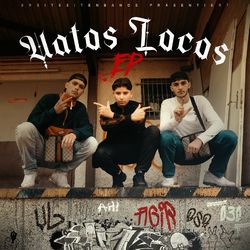

Shakira signed to Sony Music Colombia at thirteen, and her debut album Magia sold about 1,200 copies in Colombia. Born in Barranquilla in 1977 to a family of Lebanese, Catalan and Colombian descent, she was belly dancing by four, after hearing Arabic drumming at a Middle Eastern restaurant near home, and she has written or co-written most of what she records.
The breakthrough came with Pies Descalzos (1995) and its single "Estoy Aquí", and ¿Dónde Están los Ladrones? (1998) followed with "Ciega, Sordomuda" and "Ojos Así". She moved into English on Laundry Service (2001), whose "Whenever, Wherever" was released in Spanish as "Suerte", then topped the US Hot 100 in 2006 with "Hips Don’t Lie", featuring Wyclef Jean. "Waka Waka (This Time for Africa)", recorded with the South African band Freshlyground, was the official song of the 2010 World Cup. Her 2023 session with Argentine producer Bizarrap won Latin Grammy Song of the Year, and Las Mujeres Ya No Lloran took Best Latin Pop Album at the 2025 Grammys, her fourth Grammy next to fifteen Latin Grammys.

Rubel is a Brazilian singer-songwriter from Volta Redonda, in the state of Rio de Janeiro, born in 1991.
He grew up playing in bands as a teenager and studied film at PUC-Rio before turning fully to music, and that background shows in the cinematic, intimate feel of his songs.
His early records leaned on just his voice and guitar, built around soft, confessional songwriting that made him a distinctive new voice in MPB (Brazilian popular music).
Over the following albums he broadened his sound, bringing in rhythm, arrangement, and guest artists from Brazil's rap and alternative scenes, which earned him multiple Latin Grammy nominations.
Rubel often duets and collaborates with other well-known Brazilian artists, pairing his calm, sensual delivery with a wide range of musical styles.
He remains one of the more thoughtful voices in contemporary Brazilian music, known for lyrics that explore love, freedom, and vulnerability with unusual honesty.











Soraya Moraes is a singer from Brazil, recognized for her powerful voice within gospel music. She has built a career sharing her faith through song.
Her discography includes well-known tracks such as "Caminho no Deserto" and "É Só Adorar." Albums like Som da Chuva are also part of her musical journey.


Felipe Araújo is one of Brazil's leading sertanejo singers, born on July 2, 1995, in Goiânia. He grew up in a musical family and started performing professionally in his teens, first fronting a rock band at school before turning to sertanejo, the romantic country-pop style beloved across Brazil.
He is the younger brother of Cristiano Araújo, a beloved sertanejo star who died in a car accident in 2015. That same year, encouraged by his father, Felipe launched his solo career, releasing his debut DVD "1dois3" in 2016.
His breakthrough came with hits like "Amor da Sua Cama" and "Atrasadinha," the latter becoming one of the biggest sertanejo anthems of its era. Known for his emotional delivery and huge presence on social media, Felipe Araújo has grown into one of Brazil's most streamed and awarded male artists, regularly collaborating with other top names in Brazilian popular music.
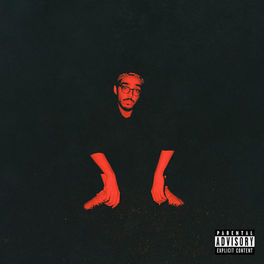


Mari Fernandez er en brasiliansk sangerinde, der har markeret sig inden for genrerne forró og piseiro. Hun kommer fra Rio Grande do Norte og begyndte sin musikalske rejse i en ung alder.
Hun blev for alvor kendt i begyndelsen af 2020'erne med hits som "Não, Não Vou" og "Comunicação". Mari Fernandez er anerkendt for sin evne til at blande traditionelle rytmer med moderne pop-elementer, hvilket har gjort hende til en populær figur på den brasilianske musikscene.




Ana Moura is a celebrated Portuguese fado singer born in Santarém, Portugal, in 1979. Known for her hauntingly beautiful voice, she has been a prominent figure in modern fado since her debut album Guarda-me a Vida na Mão in 2003. Ana quickly rose to international acclaim, becoming the youngest fado artist nominated for a Dutch Edison Award.
Her 2012 album Desfado, produced by Larry Klein, marked a high point in her career, topping charts and earning 6× Platinum status in Portugal. Ana Moura’s music blends traditional fado with contemporary influences, captivating audiences worldwide with songs full of deep emotion and rich storytelling. She has collaborated with notable artists including Mick Jagger and Omara Portuondo, further extending her global reach.
With a career spanning over two decades, Ana Moura remains a powerful voice in Portuguese music, continuing to enchant new generations with her passionate interpretations of fado.









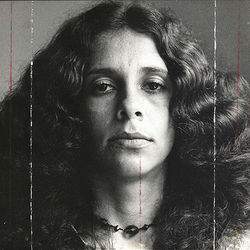
Gal Costa, from Brazil, emerged as a significant voice in the 1960s, becoming a key artist in the Tropicália movement. She started her career alongside other influential musicians, bringing a fresh energy to Brazilian music.
Her powerful voice made her interpretations of MPB, bossa nova, and samba truly her own. She is celebrated for songs like "Baby," "Meu Nome É Gal," and "Vapor Barato," which remain beloved classics. Her music often explored diverse sounds and lyrical themes.
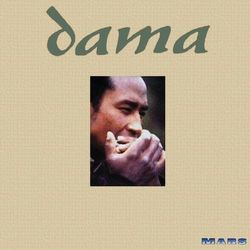
D.A.M.A is a Portuguese hip-hop and pop group from Lisbon, formed in 2008 by childhood friends Francisco Pereira and Miguel Coimbra, who began writing rhymes together as schoolkids. Miguel Cristovinho later joined, rounding out the trio.
Starting out with a hip-hop sound, D.A.M.A grew into one of Portugal's most popular pop-rap acts, with their 2014 debut album Uma Questão de Princípio topping the national charts. Signed to Sony Music, they're known for upbeat, heartfelt songwriting and energetic live shows, and their songs often explore everyday emotions and relationships with a warm, sing-along energy that's made them a fixture of Portuguese radio.


Felipe Ribeiro, known by his stage name Gamadinho, grew up in Nova Iguaçu, in the Baixada Fluminense region near Rio de Janeiro, Brazil. He started singing in local samba circles at just fourteen years old, and pagode quickly became the sound that fit his voice best. Before going solo he spent years on stage with several well known pagode groups, including Empolgação, Swing & Simpatia, Pique Novo, and Estilo X, building a following long before he ever released music under his own name.
Gamadinho stepped into the spotlight as a contestant on The Voice Brasil, and since then his solo career has taken off, racking up tens of millions of streams. He has worked with producers Suel and Allan Lima on a run of new recordings, and his songs anchor the audiovisual project Pagode de Amor, a showcase for the romantic side of the genre he grew up on. His music leans into heartbreak, longing, and the everyday drama of relationships, delivered with the smooth, guitar driven groove that has always defined pagode.






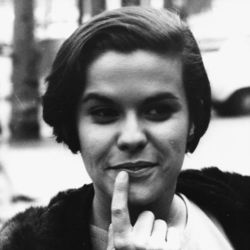




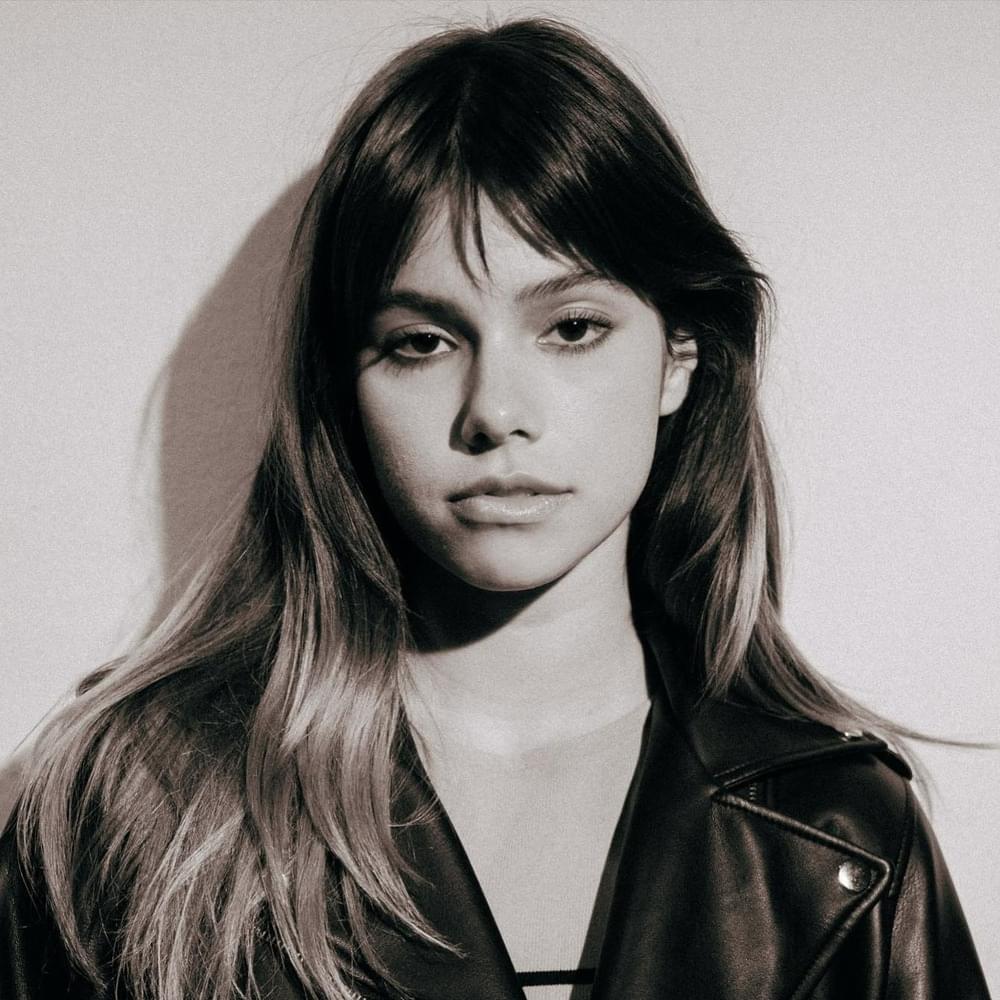







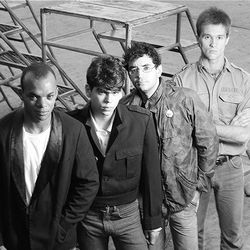


Natiruts is a Brazilian reggae band formed in 1996 in Brasília, and one of the country's most popular reggae acts. They're known for blending reggae with rock, funk and homegrown Brazilian rhythms, and for lyrics about love, peace and everyday feeling.
"Dou Não Dou" fits that mold well, a warm, patient love song built around the coy back-and-forth of its title line, "I give, I don't give," as the singer waits for a guarded partner to finally open up.
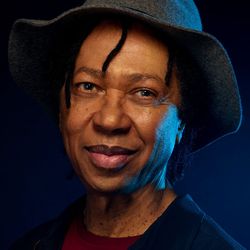



Nego do Borel, whose real name is Leno Maycon Viana Gomes, is a Brazilian singer born on July 10, 1992, in Rio de Janeiro. He grew up in Morro do Borel, a hillside community in the city's North Zone, and took his stage name from the neighborhood that shaped him.
He is one of the leading voices of funk carioca, the upbeat, bass-driven style that grew out of Rio's favelas, later blending it with pop to reach a wider audience. His 2012 debut single, "Os Caras do Momento," became a breakout hit, and he went on to sign with Sony Music and release a string of successful songs, including "Diamante de Lama" and "Bonde dos Brabos."
He has collaborated with major names across Brazilian and Latin music, teaming up with Anitta and Wesley Safadão on "Você Partiu Meu Coração" and with Colombian star Maluma on "Corazón," and he became one of the first Brazilian artists to chart on the US Billboard Hot 100. Beyond music, he has also worked as an actor and taken up amateur boxing.















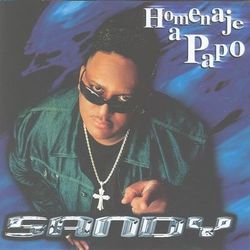








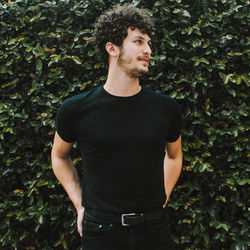


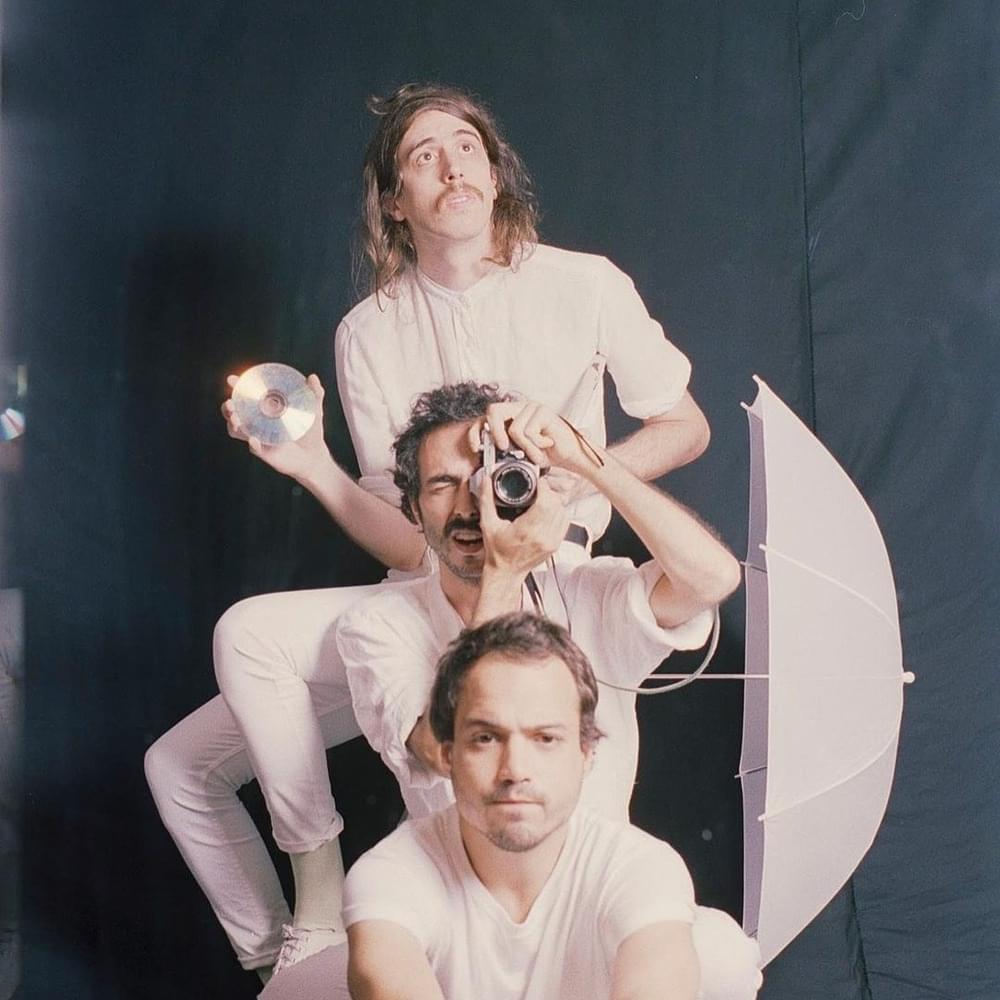



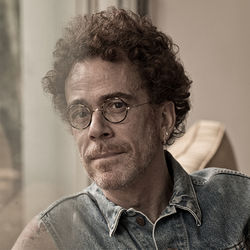





Carlos Fernando Tanzi grew up in Tsotso, in Angola's Uíge province, singing in his church choir from the age of nine. He gave his first public performance in 2003 and began recording professionally in 2008 with producer Vovó, later founding his own talent company, C8 Music Group, in 2011.
Working with producer Smash, he created trap zouk in 2012 by fusing zouk's romantic rhythms with hip hop's rhythmic structure, and the genre carried his albums Botão de Rosa and Cartel D'Amor. Singles like "Pintor de Rua," "Digital," and "A Mulher tem Força" have won him Angola Music Awards honors for Best Male Voice and Best R&B Singer, and he continues to write and produce under the stage name CEF Tanzy.

Wesley Safadão, from Brazil, is a solo artist who first gained prominence as the lead singer of the band Garota Safada. His career has been marked by a transition from band leader to a hugely successful solo act, bringing his energetic style to a wider audience.
He is particularly known for his contemporary take on forró and sertanejo, blending traditional rhythms with pop influences. Fans often recognize his powerful voice and lively stage presence in hits like "Camarote" and "Aquele 1%." His music is often upbeat and perfect for dancing.









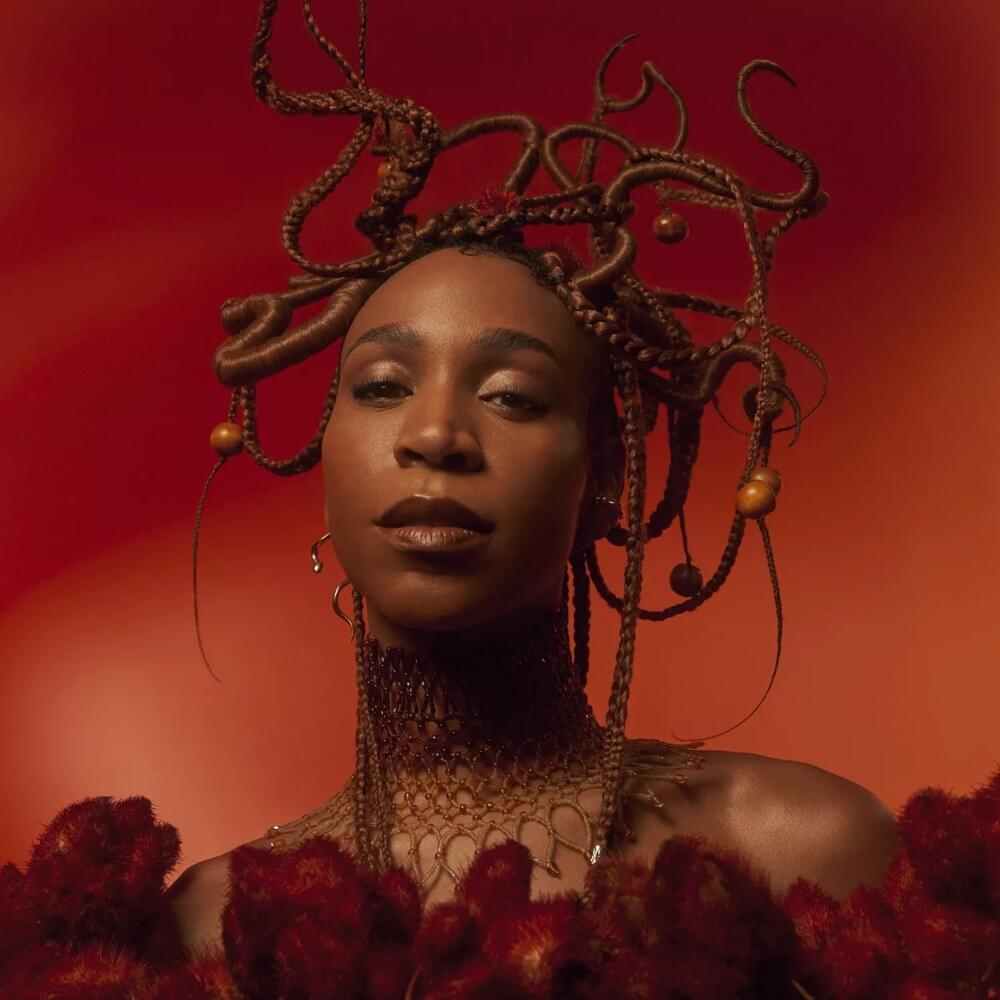




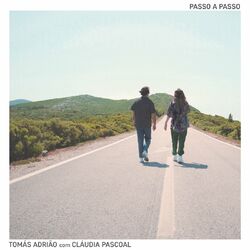









Lexa is a singer from Brazil. She is known for her vibrant musical output and has released several popular tracks throughout her career. Her music often features engaging rhythms and melodies, making her a prominent voice in the Brazilian music scene.
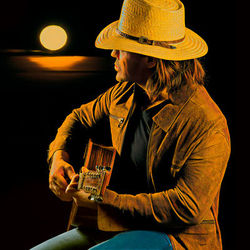


Mano Walter is a musical artist known for his distinctive vocal style and engaging performances. He has established himself as a notable figure, captivating audiences with his unique sound.





Tierry is a prominent Brazilian singer and songwriter. Before achieving widespread recognition as a performer, he made a significant impact behind the scenes, penning hits for various well-known artists in Brazil. His talent for crafting compelling lyrics and melodies established him as a respected figure in the music industry.
Transitioning to a successful solo career, Tierry became known for his distinctive voice and engaging performances. He is particularly recognized for his contributions to the sofrência style, a subgenre often associated with arrocha and sertanejo music. Songs like "Rita" have become popular with audiences across Brazil.







Capital Inicial is a rock band from Brasília, Brazil, formed in the early 1980s. They emerged during a period of significant musical change, becoming a prominent voice in the Brazilian rock scene.
The band is recognized for their energetic sound and memorable songs. Tracks like "Primeiros Erros (Chove)" and "À Sua Maneira" are among their most well-known. Their album Acústico MTV also played a big part in their success.

Milton Nascimento (from Brazil) is a singer and songwriter whose voice often soars into a high falsetto. Growing up in Três Pontas, Minas Gerais, he became a central figure in the Clube da Esquina movement, a collective of musicians who blended various styles.
He is known for the album Clube da Esquina, co-created with Lô Borges, which became a cornerstone of Brazilian music. His compositions, like "Travessia" and "Maria, Maria," are cherished for their melodies, often mixing Brazilian folk, jazz, and classical elements.

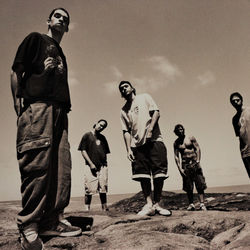

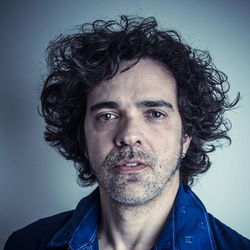
Paulinho Moska, from Brazil, is a singer-songwriter known for his introspective lyrics and acoustic sound. He often blends pop, rock, and MPB influences into his music.
He is recognized for songs like "Pensando em Você" and "A Seta e o Alvo," which showcase his unique vocal style and poetic approach to songwriting. Moska has released several albums, building a career around his distinctive musical voice.




Raquel Tavares, from Portugal, is a Fado singer known for her powerful voice and deep connection to the traditional Portuguese music style. She started performing Fado early in her life, developing a strong presence on stage.
She has released several albums, including "Raquel Tavares," "Bairro," and "Volta," which showcase her commitment to classic Fado. Her interpretations often bring a raw emotion to the genre, making her a compelling performer.


Luan Pereira is a Brazilian singer known for his energetic contributions to the sertanejo and agronejo music genres. He often blends traditional country sounds with contemporary elements, creating a style that feels both familiar and new.
His music has gained significant popularity, with tracks like "Moletom" and "Pira nos Caipira" becoming fan favorites. More recently, his song "Dentro da Hilux" has further established his presence in Brazilian music.
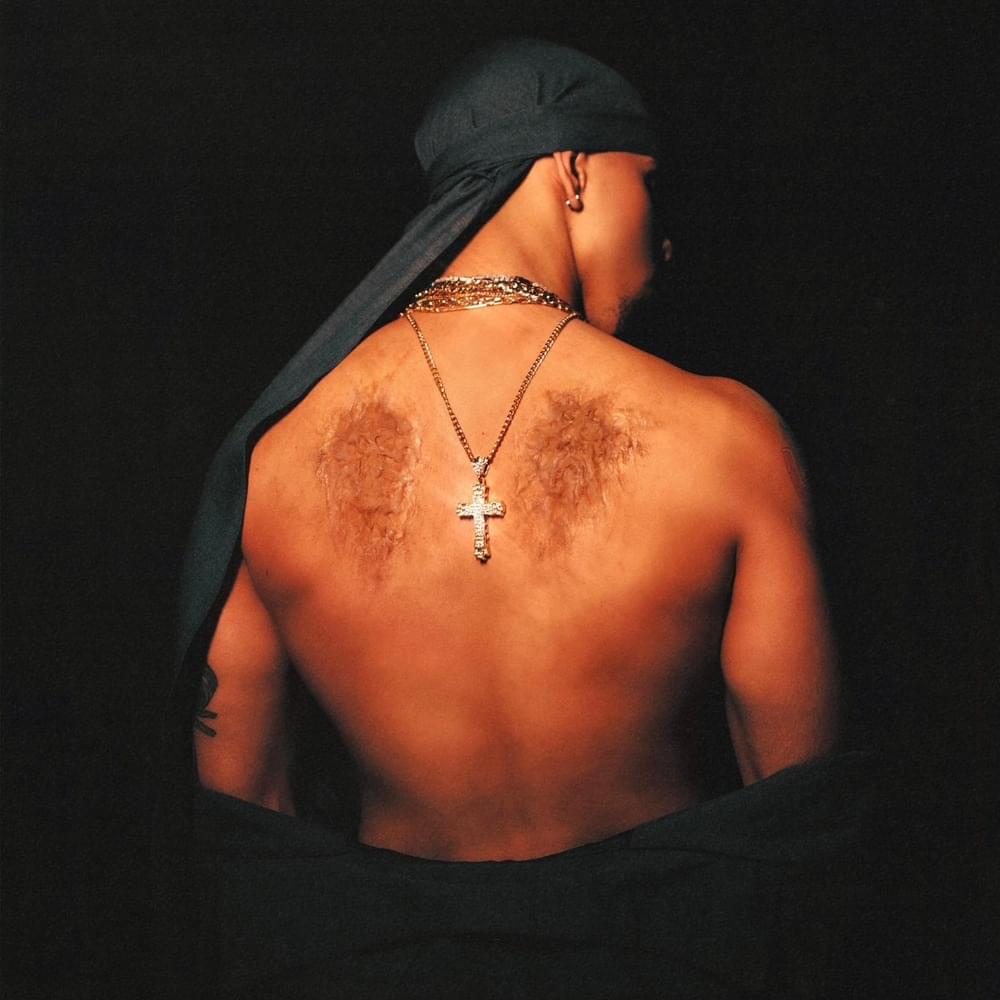
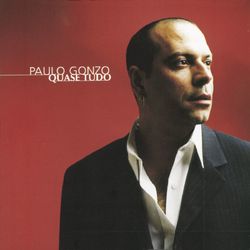







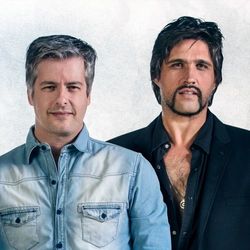

Cristiano Araújo was a prominent voice in Brazilian sertanejo music. From Brazil, he quickly became a favorite for his energetic style and engaging stage presence.
His music often featured catchy melodies and relatable lyrics, making hits like "Maus Bocados," "Cê Que Sabe," and "É Com Ela Que Eu Estou" very popular. His live albums, such as In The Cities - Ao Vivo em Cuiabá, showcased his dynamic performances and connection with fans.



Zezé Di Camargo & Luciano are a beloved sertaneja duo from Brazil. The brothers are known for their powerful vocals and emotional performances.
Their music often features romantic themes, making them a staple in Brazilian popular music. Songs like "É o Amor" helped define their sound and remain among their most recognized work.
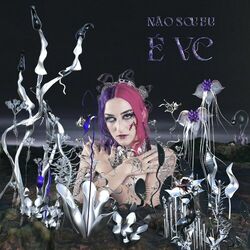



Negra Li, from Brazil, first made her mark as a prominent voice in the hip-hop group RZO, bringing a powerful presence to their tracks. Her early work helped define a sound within Brazilian rap, showcasing her distinct vocal style.
She later launched a solo career, blending her hip-hop roots with R&B and other Brazilian influences. Her self-titled album, Negra Li, is a good example of her evolving sound, featuring songs like "Você Vai Estar Na Minha" that highlight her artistry.
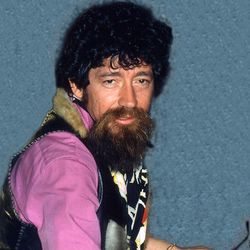

Atitude 67 is a band from Brazil known for their distinctive blend of samba, reggae, and pop. They create a laid-back, feel-good sound that often incorporates elements of pagode and rock, making their music popular for casual listening and parties.
They gained significant attention with their hit song "Cerveja de Garrafa" and continued their success with tracks like "Saideira" and "Tá Gostando Mais ou Menos." Their self-titled debut album, Atitude 67, introduced many to their unique style and became a favorite for its upbeat energy.

MC Kekel built his name in Brazil’s funk scene with a playful, sing-along style that leans hard on melody and romantic storylines. His tracks often mix humour with everyday relationship drama, and his voice cuts clearly over the heavy percussion that drives his sound.
He broke out to a wider audience with hits like “Namorar Pra Quê?”, “Amor de Verdade”, “Solteiro Nunca Está Só” and “Mandella é Meu Nome”. These songs turned him into one of the most recognisable names in funk for fans who like love songs delivered with street slang and sharp hooks.





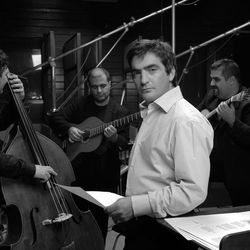




Gaab, from Brazil, grew up surrounded by music, being the son of pagode singer Rodriguinho. He started his career early, exploring different sounds and making a name for himself in the Brazilian music scene.
He is known for blending pagode with R&B and trap influences. You'll often hear his smooth vocals on popular tracks like "Cuidado," "Tem Café," and "Intenção." He has released albums such as Urbano and Deu Ruim.




































Carolina Giraldo Navarro, known professionally as Karol G, is a Colombian singer-songwriter born on February 14, 1991, in Medellín, Colombia. She is regarded as one of the most influential artists in reggaeton and urban pop, with a career spanning since 2006. Karol G has earned numerous awards including a Grammy, six Latin Grammys, and five Billboard Music Awards.
Karol G rose to international fame with hits like "Ahora Me Llama", "Tusa", and her record-breaking album Mañana Será Bonito, the first Spanish-language album by a female artist to debut at No. 1 on the U.S. Billboard 200. She blends reggaeton, urban pop, and Latin R&B with powerful vocals and empowering lyrics. Beyond music, Karol G is recognized for breaking barriers for women in Latin urban music and continues to shape the genre worldwide.

Iolanda Costa (born 4 November 1994 in Figueira da Foz, Portugal) is a captivating Portuguese singer-songwriter known mononymously as Iolanda. She blends the soulful depths of fado with contemporary pop and R&B, creating a unique and emotive sound. From an early age, Iolanda’s passion for music was clear, leading her to study at the Conservatory and later honing her songwriting skills in London at BIMM University.
Iolanda first emerged on the national stage as a teenager on the talent show Uma Canção Para Ti and has since continued to develop her artistry through various television appearances and collaborations. Her debut EP, Cura (2023), written during the pandemic, showcases her introspective lyricism and melodic finesse. In 2024, she won the Festival da Canção with her powerful song "Grito", earning the honour of representing Portugal at the Eurovision Song Contest 2024, where she achieved a top 10 finish. Iolanda’s music invites listeners into a world of heartfelt expression and modern Portuguese storytelling.













Zé Vaqueiro is a prominent artist from Brazil. He has captivated audiences with his unique style and powerful vocals. Known for his contributions to the piseiro genre, Zé Vaqueiro has released popular tracks that resonate with many listeners. His music often explores themes of love and everyday life, delivered with an authentic sound that has garnered him a dedicated fanbase.





Guga Nandes is a name associated with music in the Portuguese language. Their work is featured in our app to help you learn Portuguese through song.

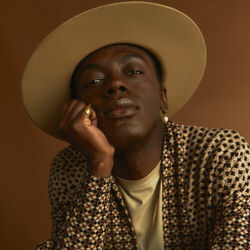



Sarah Farias is a Brazilian singer and songwriter who works in contemporary Christian music. She was born in Maceió in 1982 and belongs to the Assembleia de Deus Vitória em Cristo church.
Most of her records are made live, with a full band and a choir behind her, and her voice sits in a strong, sustained register that carries over them.
The lyrics are in clear Brazilian Portuguese and repeat their central lines often, which makes them straightforward to follow while learning.




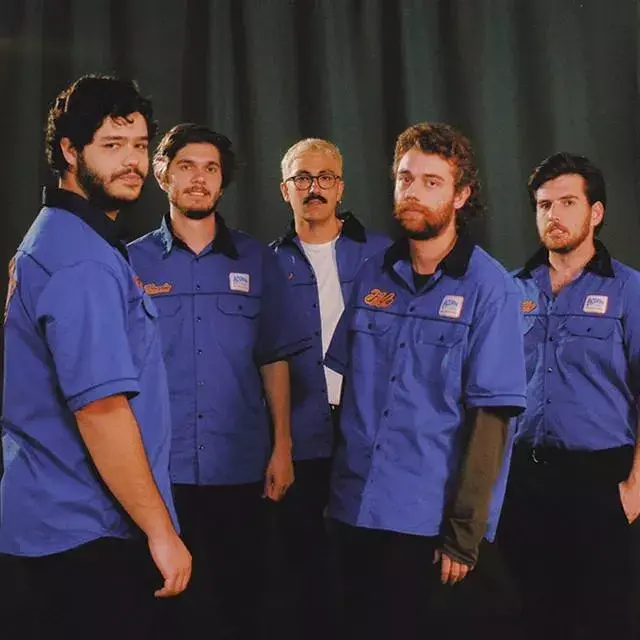
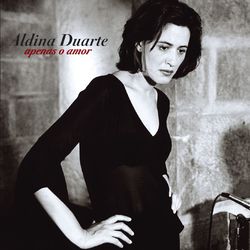



É O Tchan is a Brazilian group that rose to prominence in the 1990s. They are known for their lively axé music, which often features catchy rhythms and dance-focused lyrics. The group's performances frequently included choreographed routines that became popular across Brazil.
Their music often encourages listeners to dance along, with many of their songs becoming synonymous with specific moves. É O Tchan had major hits with tracks like "Segura o Tchan," "Dança do Ventre," and "Pau que Nasce Torto." These songs helped define a party atmosphere for a generation.





César Menotti & Fabiano are a musical duo known for their contributions to Brazilian sertanejo music. They are brothers who gained significant popularity in the mid-2000s.
They are recognized for hits like "Leilão," "Ciumenta," and "Onde Nasce o Sol." Their music often features strong vocals and catchy melodies, making them a consistent presence in the genre.


Luan Estilizado, from Brazil, gained recognition as a contestant on The Voice Kids Brazil. He quickly became known for his energetic performances and his fresh take on forró music.
His sound often mixes traditional forró rhythms with modern pop elements, creating a lively style. He has released popular tracks like "Eu, Você e a Praça" and "Pode Me Bloquear," which showcase his engaging vocal style and upbeat arrangements.

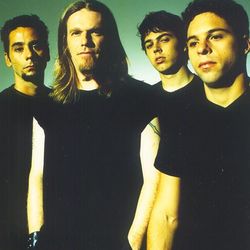










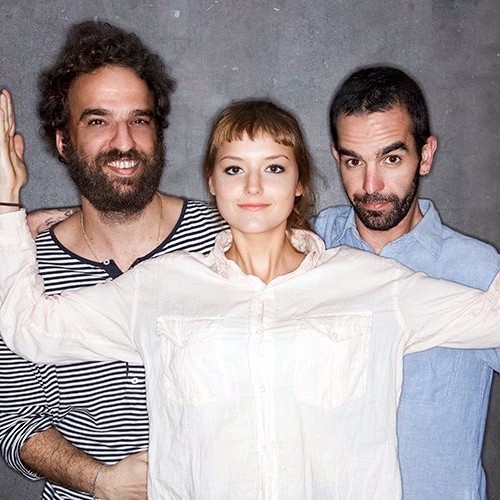




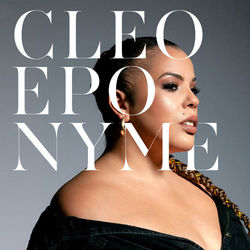














Banda Eva is a well-known Brazilian group that has been a significant presence in Axé music for decades. They are particularly famous for their lively performances during Carnival in Bahia, bringing a joyful energy to the celebrations.
Over the years, the band has featured several prominent lead singers, including Ivete Sangalo, Emanuelle Araújo, and Saulo Fernandes. They are widely recognized for popular songs such as "Pequena Eva," "Beleza Rara," and "Me Abraça."



Tropkillaz is the Brazilian duo of DJs and producers Zegon and Laudz. They craft music that combines electronic beats with various Brazilian rhythms, often creating high-energy and danceable tracks.
They are known for their lively productions, including popular songs like "Boa Noite" and "Mambo." Their collaborations also stand out, such as the track "Tombei" with Karol Conká.

Valas, from Spain, creates music that often feels like a journey, with a sound that blends different elements. Their work has a way of drawing you in, making you listen closely to the details.
They are known for tracks like "El Mundo Es Tuyo" and "Aunque No Estés", which show off their distinctive approach to songwriting and production. Valas's music is a good example of an artist exploring their own path.


Zeca Pagodinho is a beloved samba singer and composer from Brazil, known for his laid-back style and his deep connection to the samba traditions of Rio de Janeiro. He became prominent in the 1980s as part of the pagode movement, bringing an authentic voice to the genre.
His music often tells stories of everyday life, celebrating friendships and the joy of samba. His warm vocals are a hallmark of popular songs like "Deixa a Vida Me Levar" and "Maneiras," which showcase his characteristic blend of humor and genuine emotion.

Os Barões Da Pisadinha is a Brazilian duo who became a major name in the pisadinha music scene. Their sound is an energetic, modern spin on forró, built for dancing.
They became widely known for their upbeat tracks, mixing traditional rhythms with electronic touches. Songs such as "Tá Rocheda" and "Recairei" are among their most recognized work.





















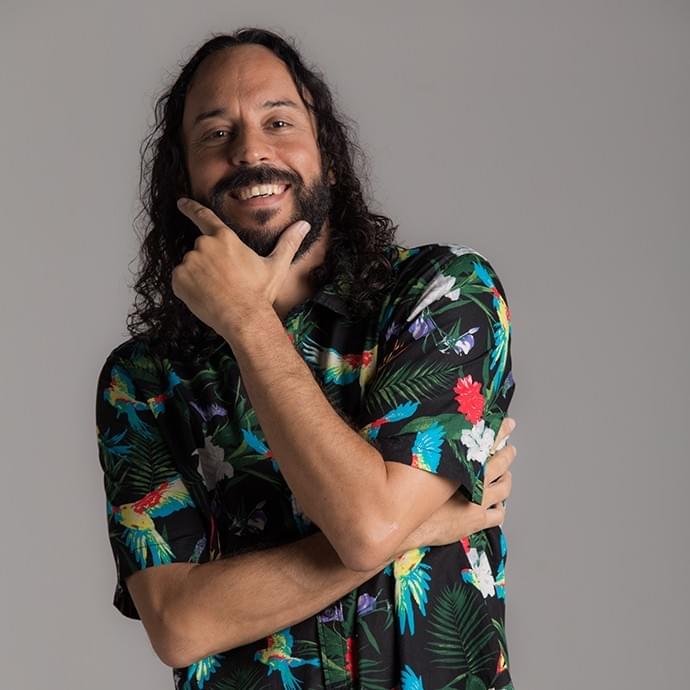














Natanael Rubén Cano Monge, born on March 27, 2001, in Hermosillo, Sonora, Mexico, is a groundbreaking Mexican rapper, singer, and composer.
He is best known for pioneering "corridos tumbados," a unique fusion of traditional regional Mexican corridos with modern trap and hip-hop elements. Beginning his career by uploading guitar covers and original songs on YouTube, Natanael quickly gained recognition for blending genres and storytelling. His hit "Soy el Diablo" gained international attention, especially after a remix with Puerto Rican superstar Bad Bunny.
Signed to Rancho Humilde and Warner Latina, Cano has released several successful albums and EPs, showcasing his dynamic style. Drawing inspiration from legends like Ariel Camacho and contemporary Latin trap artists, Natanael Cano continues to innovate and shape the future of regional Mexican music.





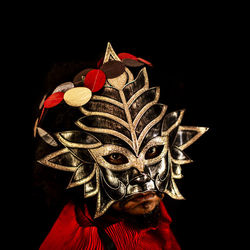


Ministério Zoe is a Christian worship group from São Paulo, Brazil, founded in 2003 by pastors Rogério and Roberta Silva at the Apostolic Church Casa Firme.
The ministry began as a youth department before growing into a full worship band, taking its name from the Greek word "zoe," meaning "life," which appears throughout the New Testament. The group released its debut album, Deus Poderoso, in 2006, and has continued recording both studio and live albums since.
Beyond music, Ministério Zoe trains young leaders through dance, theater, and other artistic expressions rooted in their faith. Their songs blend contemporary worship sounds with heartfelt, Portuguese-language lyrics about surrender and trust in God, resonating with congregations across Brazil and the wider Portuguese-speaking world.
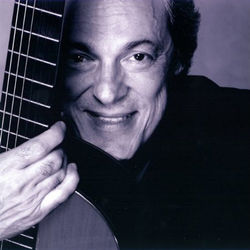



Princesa Alba is a Chilean singer and dancer, born Trinidad Riveros in Santiago in 1997. She started releasing music in her late teens and became one of the first women to break through in Chile’s urban scene.
Her songs move between reggaeton, pop and electronic production, and she writes most of them herself. Her releases include the Del Cielo Mixtape, besitos, cuídate and Como Si Fuese Real.
She sings in Chilean Spanish, which drops consonants and moves quickly, so her tracks are useful practice for an ear trained only on textbook pronunciation.










Matheus Fernandes is a Brazilian singer-songwriter born in Fortaleza in 1991. Before turning to music, he worked in political marketing, and he taught himself guitar after receiving one as a gift from friends.
He built his sound around forró roots blended with sertanejo and electronic beats, and he first made a name for himself as a songwriter, penning hits like "Mulherada na Lancha" and "Chama o Samu" for Wesley Safadão. His own breakthrough came in 2019 with "Sonâmbulo," a song that went viral online and became a Carnival favorite.
In 2021, he teamed up with fellow Brazilian singer Dilsinho for "Baby Me Atende," which became one of the biggest hits of his career, reaching the top of the charts on Deezer and Spotify Brazil. Dilsinho, born Dilson Scher Neto in Rio de Janeiro, is one of Brazil's most popular pagode singers, known for hits like "Trovão" and "Refém."





Monsieur Periné is a vibrant Colombian musical ensemble hailing from Bogotá, known for their unique fusion of Afro-Colombian rhythms with Latin and European influences. Fronted by the charismatic lead vocalist Catalina García, who sings effortlessly in Spanish, French, English, and Portuguese, the band blends genres like cumbia, tango, danzón, bolero, and pop to create a sound that is both sophisticated and deeply rooted in Colombian culture.
Formed in 2008, Monsieur Periné has captivated audiences worldwide with their elegant style and infectious melodies. Their acclaimed albums, including the Latin Grammy-winning Caja de Música, showcase their talent for blending heartfelt storytelling with playful, jazzy arrangements. With a lineup of talented members playing strings, brass, percussion, and winds, Monsieur Periné continues to enchant listeners, offering a fresh, global take on traditional Latin sounds.













































Costa da 15 is an artist from the United States. They make music that often features Portuguese lyrics.





Di Ferrero is a dynamic singer hailing from Brazil. He is widely recognized for his role as the charismatic former lead vocalist of the popular rock band NX Zero.
Following his tenure with the band, Di Ferrero has successfully launched a solo career, continuing to captivate audiences with his distinctive voice and evolving sound.








Matheusinho is a musical artist releasing songs under this name on digital platforms, with a sound that leans into contemporary pop and urban influences. Information about their background and specific discography is limited in reliable sources, but listeners often gravitate toward the melodic hooks and modern production that define their tracks.

Leonardo Gonçalves is a singer from Brazil whose music often explores themes of faith and spirituality. He has a powerful and clear voice that makes his interpretations stand out.
He is widely recognized for his gospel songs, which blend contemporary sounds with thoughtful lyrics. Listeners often connect with his albums like Princípio and Viver e Cantar, and his songs "Getsêmani" and "Sublime" are favorites.





Ton Carfi is an artist from Brazil.
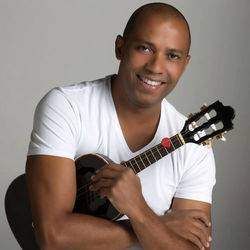

Ralk is an artist from Mexico. Their music often features a mix of electronic sounds and compelling rhythms.

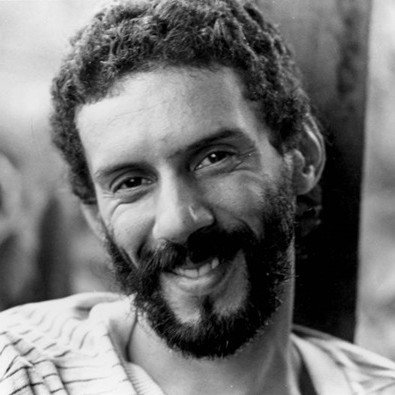













Ximena Sariñana Rivera, born on October 29, 1985, in Guadalajara, Mexico, is a celebrated Mexican singer-songwriter and actress known for her captivating blend of pop, rock, and Latin pop. Raised in Mexico City, she began her artistic journey early, acting in popular telenovelas and films directed by her father and penned by her mother.
Her debut album, Mediocre (2008), received critical acclaim and a Grammy nomination, showcasing her talent as a songwriter and performer. Over the years, Ximena has released several acclaimed albums, including Ximena Sariñana (2011) and No Todo lo Puedes Dar (2014), with her music reflecting deep personal experiences and Mexican cultural influences. Beyond music, she has acted in films and served as a judge on the reality show México tiene talento. With a career spanning over two decades, Ximena continues to inspire and innovate in the Latin music scene.













Bokaloka is a Brazilian pagode band that first came together in the 1990s. They initially performed under the name Água na Boca before adopting their current identity. Their music often features a smooth, romantic style of pagode.
The group is widely recognized for popular tracks such as "Que Se Chama Amor" and "Duas Paixões." They have also released other well-known songs like "Apaixonado" and "Ela É," which helped define their sound.

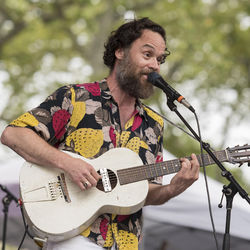
Rodrigo Amarante de Castro Neves (born September 6, 1976, in Rio de Janeiro) is a Brazilian singer‑songwriter, multi‑instrumentalist, composer, and arranger known for his warm, evocative voice and richly textured compositions.
Beginning his career with the beloved Brazilian rock band Los Hermanos, Amarante emerged as a leading creative force, contributing standout songs across albums such as Bloco do Eu Sozinho and Ventura. He also co-founded the samba‑big‑band Orquestra Imperial and the L.A.‑based supergroup Little Joy, blending Brazilian rhythms with indie and folk sensibilities.
In 2013, Amarante released his debut solo album Cavalo, widely acclaimed for its lyrical intimacy and musical subtlety. He gained global recognition for writing and performing the haunting bolero “Tuyo,” the theme song for Netflix’s Narcos, which earned him a Primetime Emmy nomination. His second solo album, Drama (2021), further explores cinematic textures and emotional depth with rich orchestrations and rhythmic innovation.

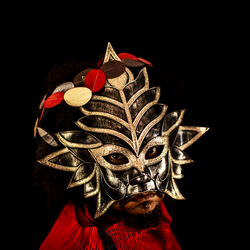











Os Arrais are a duo of brothers from Brazil. They are known for their Christian music, often blending thoughtful lyrics with a folk sound.
Their songs like "Mais" and "O Teu Amor" are well-loved. They have also released albums such as "As Coisas Lá do Alto".





Pedro Abrunhosa, from Portugal, is a singer-songwriter often recognized by his signature dark glasses and lively stage presence. His music frequently combines elements of pop, rock, and jazz, creating a sound that feels both sophisticated and engaging.
He became widely known with his album Viagens. Among his popular songs are






Rionegro & Solimões are a duo from Colombia known for their music. They have a sound that blends traditional influences with a modern touch, often featuring upbeat rhythms and expressive vocals.
They are recognized for songs like "Na Sola da Bota" and "A Gente Se Enrosca." Their albums often include a mix of lively tracks and more reflective tunes, making their discography an interesting listen.

Luis Fonsi, born Luis Alfonso Rodríguez López-Cepero on April 15, 1978, in San Juan, Puerto Rico, is a renowned Puerto Rican singer and songwriter known worldwide for his soulful voice and captivating Latin pop hits. Launching his career in 1997 with the album Comenzaré, Fonsi steadily gained popularity across Latin America and beyond.
His global breakthrough came with the 2017 mega-hit "Despacito," featuring Daddy Yankee, which topped charts around the world and broke multiple Guinness World Records. The song’s success earned Fonsi numerous awards, including several Latin Grammys, and helped him become an ambassador of Puerto Rican culture and music. With a career spanning over two decades, Luis Fonsi continues to blend Latin pop, reggaeton, and ballads, collaborating with international artists and inspiring fans across the globe.













Ariadna Thalía Sodi Miranda, known simply as Thalía, is a celebrated Mexican singer, songwriter, and actress born on August 26, 1971, in Mexico City. Referred to as the "Queen of Latin Pop," she is one of the most successful and influential Mexican artists, having sold around 25 million records worldwide. Thalía's versatile voice transcends languages; besides Spanish, she has performed in English, French, Portuguese, and Tagalog.
In addition to her music career, Thalía gained international fame starring in popular telenovelas broadcast in over 180 countries, earning her the title of "Queen of Telenovelas." Her global impact extends beyond entertainment—she is also a businesswoman and a UNICEF Mexico Ambassador. With numerous awards, including multiple Billboard Latin Music Awards and a star on the Hollywood Walk of Fame, Thalía continues to inspire fans across the globe with her dynamic artistry and enduring presence.

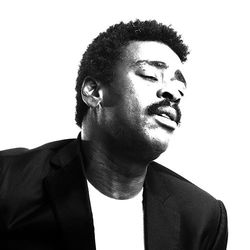


Sudário is a Brazilian pagode act. "Fumaça," a duet with fellow pagode singer Guga Nandes, came out in 2022 on the EP "Ilha do Pagode" and has racked up millions of streams since.






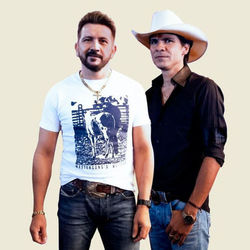






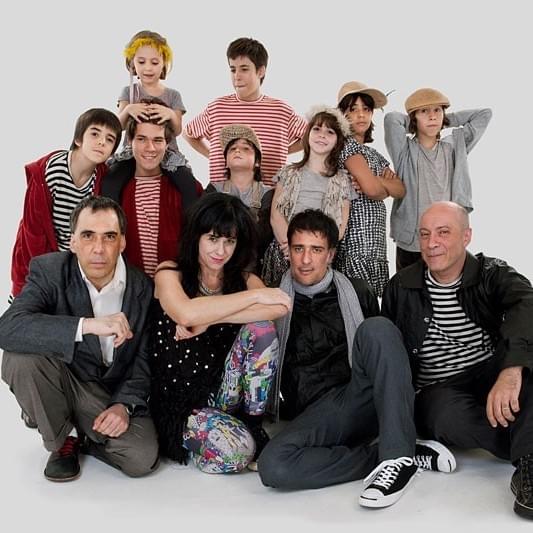

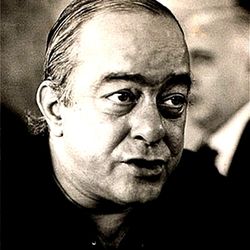
Vinicius de Moraes (from Brazil) was a celebrated poet, lyricist, and composer, often affectionately known as "O Poetinha." He was a central figure in the bossa nova movement, helping to define its elegant sound and sophisticated lyrics.
He is widely known for his lyrical contributions to many iconic Brazilian songs, including the global hit "Garota de Ipanema." His collaborations with other musicians, particularly Tom Jobim, produced enduring classics like "Chega de Saudade" and "Água de Beber."
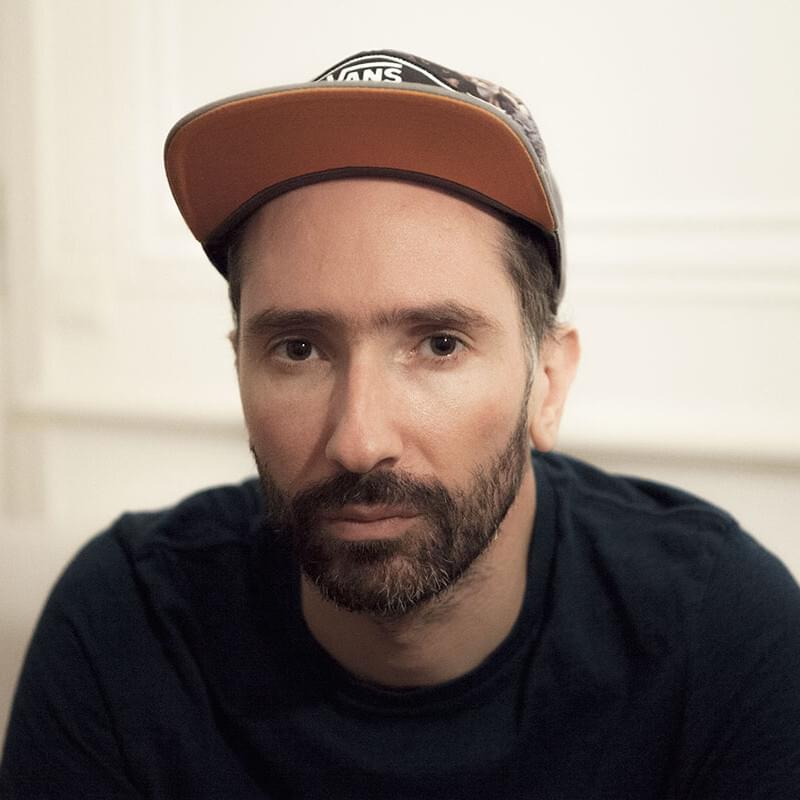









UM44K is a Brazilian artist who began his solo career after being part of the group 3030. His sound often blends pop, R&B, and rap influences.
He is known for his smooth vocal style and for songs like "4 da Manhã" and "Nossa Música." His work explores themes of love and relationships.





Leonardo, from Brazil, is a significant voice in Brazilian sertanejo music. He first became known as one half of the popular duo Leandro & Leonardo, performing alongside his brother.
After his brother's passing, Leonardo continued his career as a solo artist. He has released many successful albums and singles, maintaining his status as a beloved figure in Brazilian music.

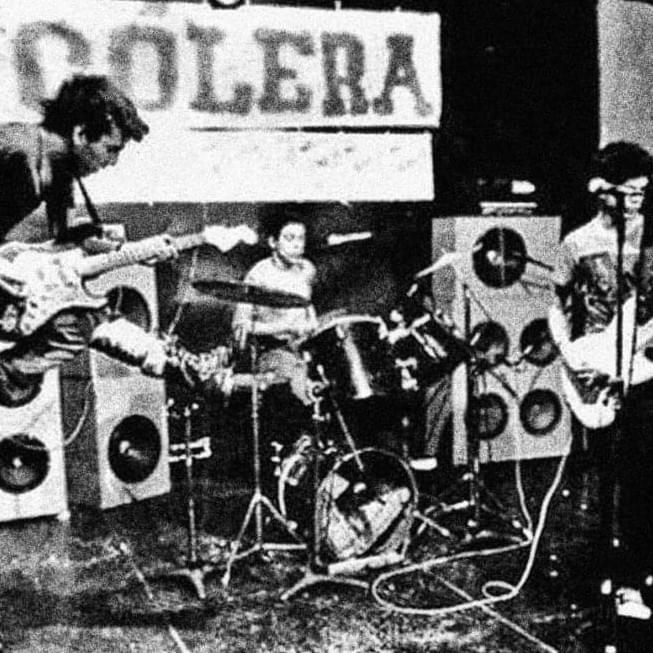


Paula Toller is a singer from Brazil, widely recognized as the voice of the band Kid Abelha. She fronted the group for many years, becoming a prominent figure in Brazilian rock music.
With Kid Abelha, she performed many popular songs, including "Pintura Íntima" and "Como Eu Quero." After the band, she also developed a solo career, releasing her own albums and continuing to perform. Her distinctive delivery has been a constant throughout her work.










Tayrone, a popular singer from Brazil, is known for his distinctive voice and emotive performances in the arrocha genre. Often called "O Cigano" (The Gypsy), his music frequently delves into themes of love and heartbreak.
He has built a strong following with his passionate delivery and relatable lyrics.

Laura Pausini (born 16 May 1974 in Faenza, Italy) is a renowned Italian pop singer celebrated for her powerful vocals and heartfelt ballads. She rose to fame in 1993 after winning the newcomer section at the Sanremo Music Festival with her hit song La solitudine, which became an international success and an Italian pop classic.
Since her breakthrough, Laura has released fifteen studio albums and performed in multiple languages including Italian, Spanish, Portuguese, and English. She has sold over 70 million records worldwide, earning prestigious awards such as a Grammy and a Golden Globe for her original song Io sì (Seen) from the film The Life Ahead. Besides singing, Pausini has appeared as a coach and judge on various international TV music competitions.
Widely regarded as one of Italy's most successful artists, Laura Pausini continues to captivate audiences globally with her emotive performances and commitment to her musical craft.


Ca7riel is an Argentine singer, rapper, guitarist, and songwriter from Buenos Aires, known for mixing trap, hip-hop, funk, rock, and electronic sounds into a bold, unpredictable style.
Before becoming widely known as a solo artist and as part of the duo Ca7riel & Paco Amoroso, he built a strong musical foundation as a guitarist and live performer. His songs are energetic, playful, and full of Argentine personality, making him a great artist for learners who want to hear modern Spanish in a creative and rhythmic way.
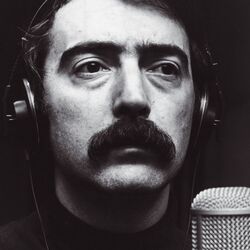

Taxi is a Brazilian band that emerged in the 1980s, bringing a distinct sound to the pop rock scene. They quickly became known for their catchy melodies and energetic performances.
Fans often remember them for songs like "Eva," a lively track that became a hit, and the reflective "Um Dia." Their music has a certain drive, making it easy to listen to.










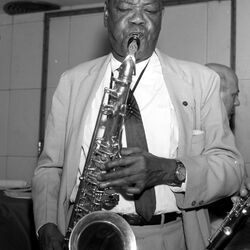








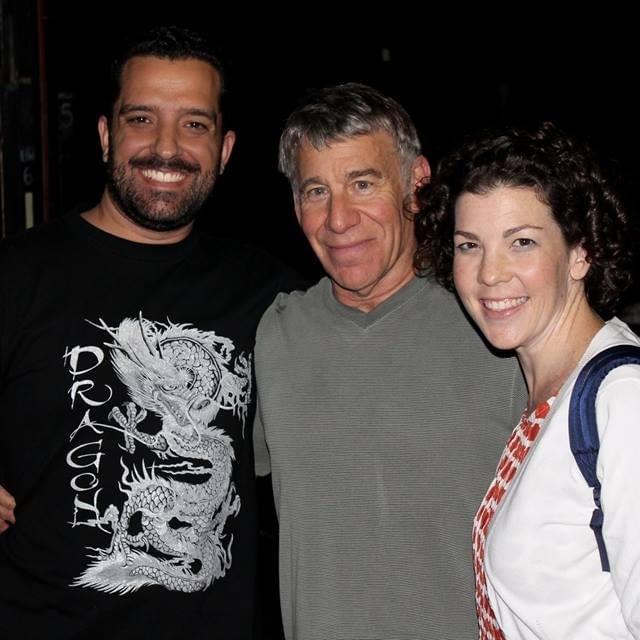




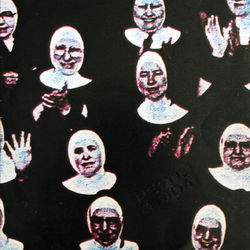
Peste & Sida started out in the mid-1980s, bringing a punk energy to the Portuguese music scene. They quickly became known for their direct lyrics and energetic live shows.
They are recognized for songs like "Chuta K'é Para A Frente" and "Muda de Vida," which often combine social commentary with a catchy, rock-driven sound. Their album "Veneno" is a good example of their style.

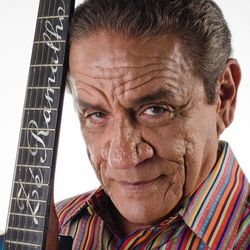
Zé Ramalho is a solo artist whose music blends rock with traditional Brazilian folk elements. He has a powerful, gravelly voice and writes poetic, often mystical lyrics that explore deep themes.
His long career includes many classic songs. Tracks like "Avôhai," "Admirável Gado Novo," and "Chão de Giz" are well-known, showing his ability to combine storytelling with strong melodies. His music is often introspective yet also feels grand.

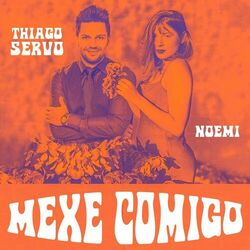




Deejay Telio is a Portuguese artist known for his infectious blend of Afro-house and Kizomba rhythms. His tracks often feature a strong, danceable beat, making them a staple in clubs and parties across the Lusophone world.
He is recognized for popular songs like "Esfrega Esfrega," "Com Licença," and "Não Atendo," which showcase his energetic vocal delivery. His music frequently incorporates a mix of Portuguese and Angolan slang, giving his sound a distinct flavor.




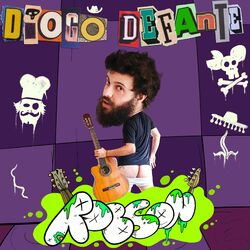






Romero Ferro, from Mexico, is a solo artist known for his pop sound that often blends in elements of other styles. His music frequently has a bright, danceable energy, making it great for moving.
He is recognized for songs like "Pra Te Conquistar" and "Verão." His album Ferro further explores his distinctive approach to contemporary pop music.





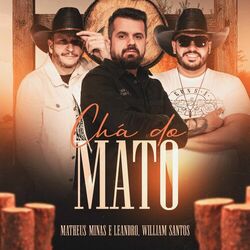




Mc Elvis is an artist from the United States. He is known for his unique vocal style.


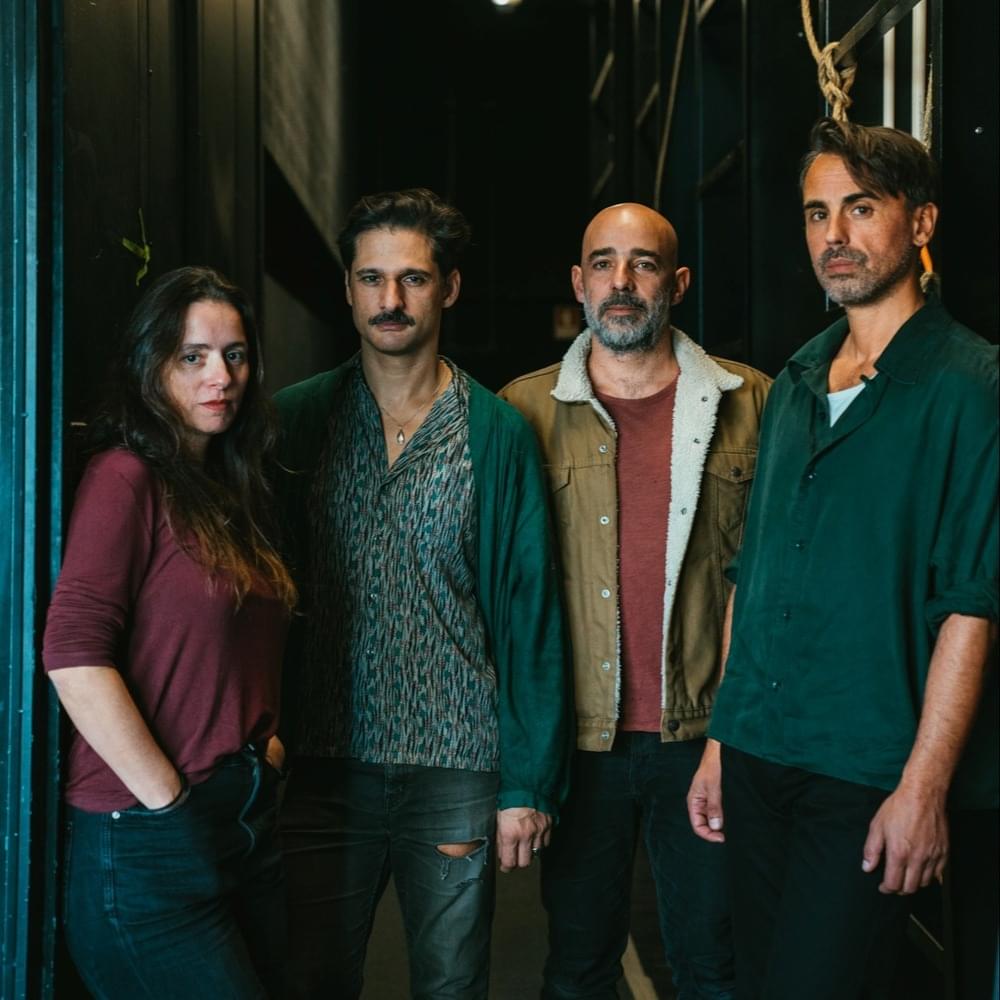




































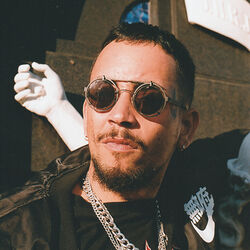
















BaianaSystem is a band from Brazil that creates a powerful fusion of sounds. They are known for blending traditional Bahian music, especially the electric guitarra baiana and percussion, with modern electronic beats, dub, and rock. This mix gives their music a distinct energy rooted in Salvador, Bahia.
Their sound is often loud and compelling, making their live shows a memorable experience. They have released albums like Duas Cidades and O Futuro Não Demora, which feature tracks such as "Playsom" and "Sulamericano." The band consistently explores themes of identity and culture through their dynamic musical style.

Dj Batata, from Brazil, is a DJ known for his energetic sets. He brings a distinct sound to the scene, often blending different styles to create a lively atmosphere.
His performances are recognized for their dynamic flow and ability to get people moving. Dj Batata's work highlights the rich musical traditions he draws from, making his presence notable in the Brazilian music landscape.






MC Keron is an artist from France.




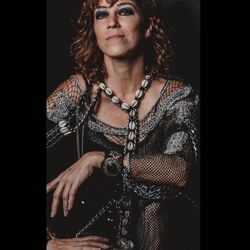

ProfJam is a rapper from Portugal. He became a prominent voice in the Portuguese hip-hop scene, known for his particular style and often experimental approach to sound.
His album MDID (Música de Intervenção Divina) includes some of his most recognized work. Tracks like "Água de Coco" and "Tou Bem" showcase his flow and lyrical ability.




















Hitmaker is an artist known for their captivating sound. Whether performing as a solo act, a dynamic duo, a full band, or a larger collective, Hitmaker consistently delivers music that resonates with audiences.

















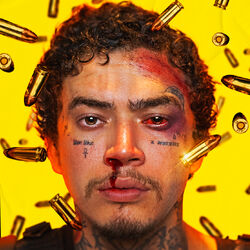




Jovem Ben is an artist from Brazil.