La Diabla Lyrics in English by Romeo Santos
Quemarroba is a thrilling Spanish word. The phrase "a quemarropa" literally translates to "at the burning of the clothes", referring to firing a gun so close that the gunpowder flash would singe the victim's clothes.
Figuratively, it means "point-blank" or "directly and without warning". In the song, Romeo Santos sings "Me lancé a quemarropa" (I threw myself at her point-blank) to describe how he impulsively and vulnerably dove into the relationship, making him an easy target for his expert rival in the game of love.
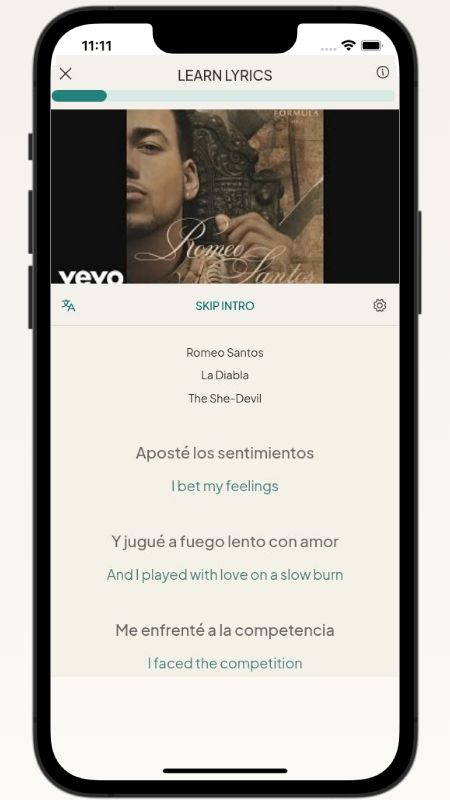
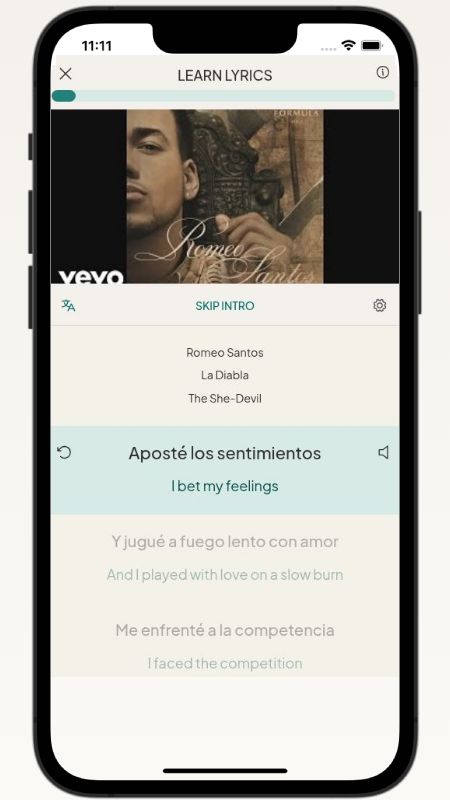
Romeo Santos treats romance like a crooked casino game in "La Diabla," and he knows he picked the worst possible opponent. Right away, he admits his mistake: "Aposté los sentimientos" [I gambled my feelings] and walked straight into a trap because of his "complejo de Quijote" [Don Quixote complex]. That literary nod explains his foolish bravery. Much like Cervantes' famous daydreaming knight charging at windmills, Romeo charged headfirst into a battle he couldn't win. He calls himself out for acting without any real sense, saying "no soy un ángel con buena intuición" [I am not an angel with good intuition], and firing point-blank—"a quemarropa"—only to get wiped out.
The woman he faces is essentially a card shark with zero mercy: "Sus fichas y barajas no les fallan" [Her casino chips and playing cards never fail her]. He admits defeat openly ("Perdí, jugué con una diabla que es experta" [I lost, I played with a she-devil who is an expert]), acknowledging he is neither the first nor the last guy she will clean out. Still, the craziest part of the track is his stubbornness. He wants a rematch anyway! If she ever came back, he confesses he would throw down another challenge—"La reto a otro duelo"—knowing full well he would walk away with a broken heart all over again.