Ciudadana Lyrics in English by Romeo Santos
Ciudadana literally means "citizen" in Spanish. It's a powerful word that takes on a unique and poetic meaning in this song, especially given the context of borders and separation.
Romeo Santos uses it metaphorically in the final line, "Que ya eres ciudadana de mi cuerpo" (That you are now a citizen of my body). This transforms a political term into an intimate declaration of belonging and possession, implying a deep, undeniable connection that transcends physical and governmental barriers. It's a memorable and intriguing twist on a common word.
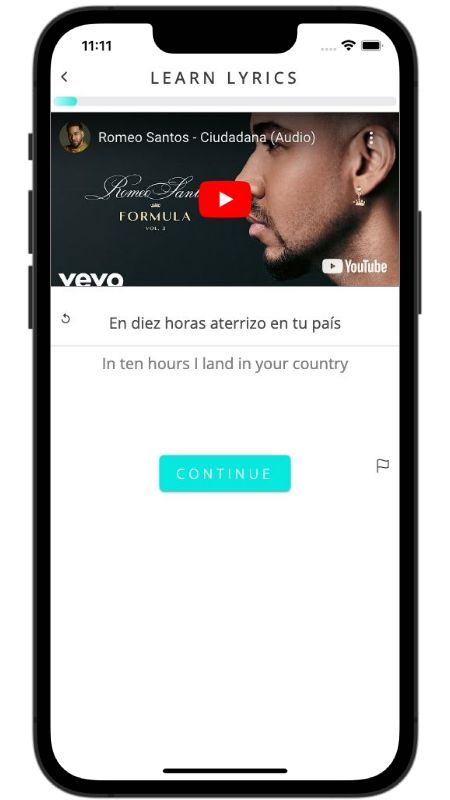
Romeo Santos tells a story of a love separated by politics and borders. He's on a plane, flying for ten hours to meet his lover in her country, as he sings, "El vuelo está programado para las doce / En diez horas aterrizo en tu país" (The flight is scheduled for twelve / In ten hours I land in your country). They plan to meet at the same old hotel, but there's a huge problem: she can't come to him. He says, "Ya te negaron la visa y me tiene atormentado" (They already denied you the visa and it's tormenting me).
This isn't just about distance; it's about a specific political situation. He mentions meeting "En la habana donde nos dimos amores" (In Havana where we fell in love) and curses the "maldita tiranía" (damned tyranny) that keeps them apart. Despite the governments and laws, he declares their love is more powerful. He ends with one of the most romantic lines in bachata: "Que ya eres ciudadana de mi cuerpo" (You are already a citizen of my body), meaning no passport or border can truly separate them.