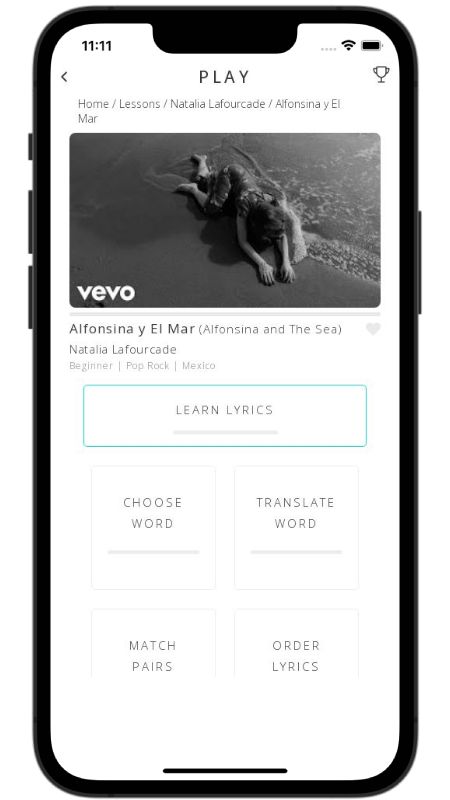
Alfonsina Y El Mar Lyrics in English by Natalia Lafourcade
Nodriza translates to 'nursemaid' or 'wet nurse'. It's a beautiful and somewhat rare word, especially in song lyrics, that evokes a sense of deep care, comfort, and maternal tenderness.
In the song, Alfonsina, seemingly at the end of her life, asks, "Déjame que duerma nodriza, en paz" (Let me sleep, nursemaid, in peace). This poignant line uses 'nodriza' to address a comforting, nurturing figure, perhaps even personifying the sea itself as a gentle caregiver taking her to eternal rest. It's a powerful and unique choice that adds profound emotional depth to the narrative.
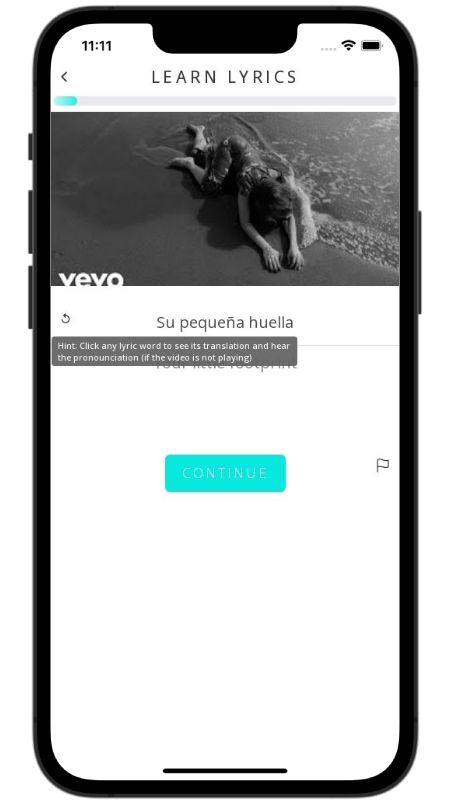
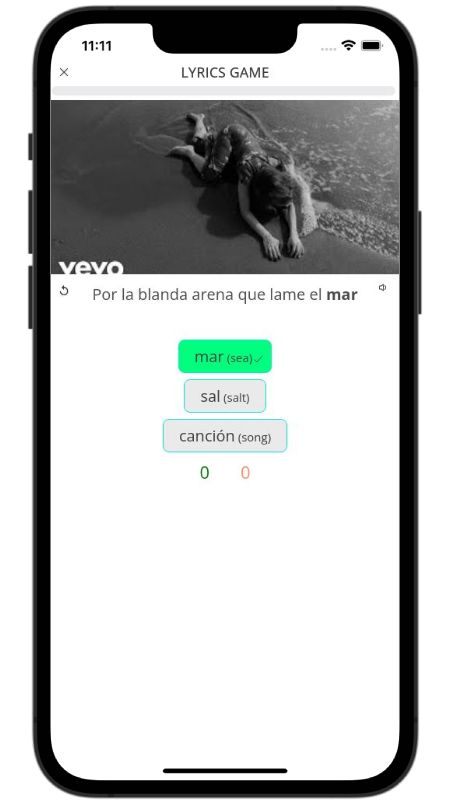
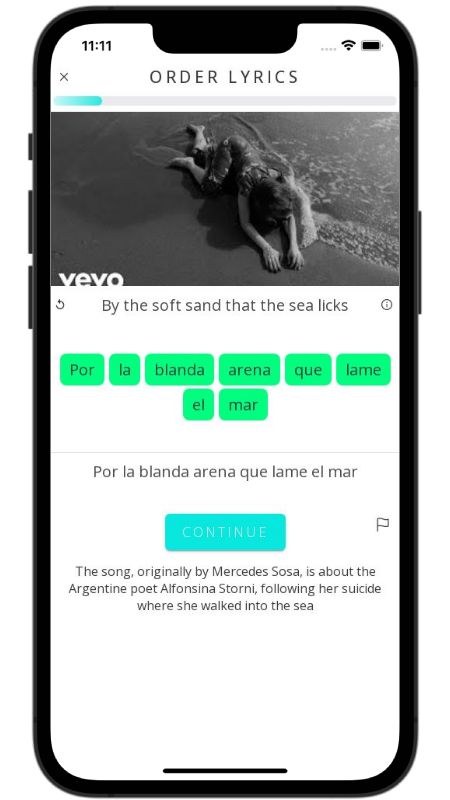
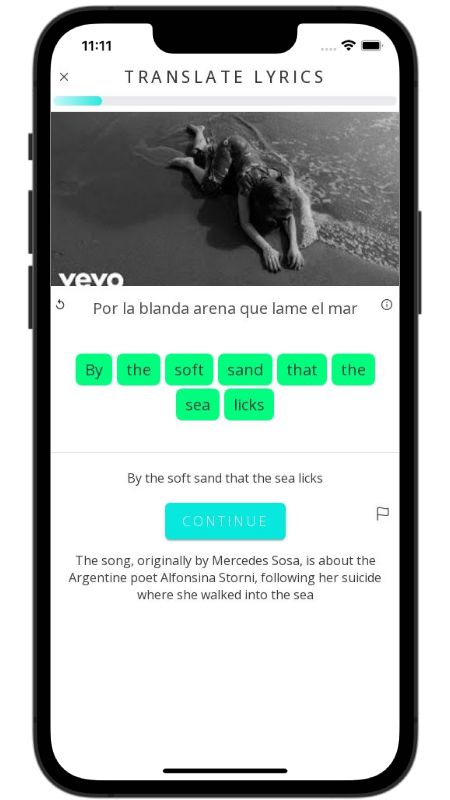
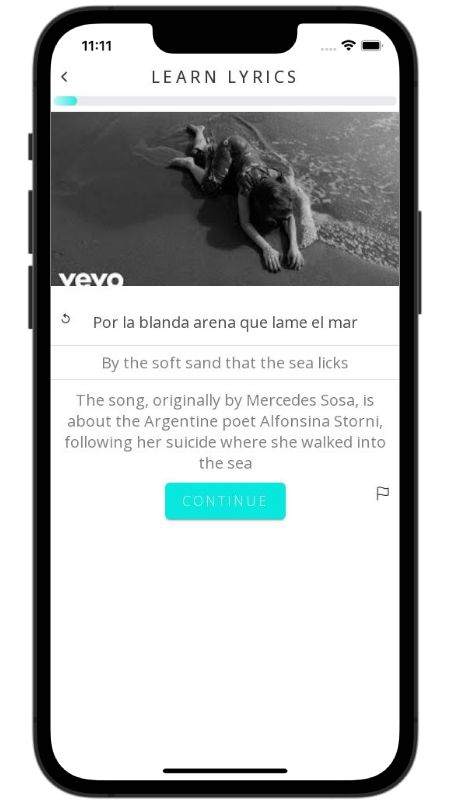
Mexican singer Natalia Lafourcade brings a tender, folk-infused pop-rock sound to this classic track, stepping straight into a tragic seaside myth. The lyrics follow a woman walking alone down to the water: "Por la blanda arena que lame el mar / Su pequeña huella / No vuelve más" ("Through the soft sand licked by the sea / Her small footprint / Does not return"). Carrying silent grief ("penas mudas"), she leaves land behind to rest on the ocean floor, soothed by singing sea shells. The speaker wonders aloud what pushed her there, asking, "¿Qué poemas nuevos fuiste a buscar?" ("What new poems did you go looking for?"). That line treats her fatal choice as a search for art, led away by an ancient voice made of salt and wind.
Instead of cold gloom, the ocean turns into a dream world. The narrator imagines five little mermaids ("cinco sirenitas") guiding her through coral reefs while glowing seahorses circle around her. Then the scene snaps into an intimate bedroom farewell. Alfonsina whispers to a nurse (nodriza) to turn down the light, asking to sleep in peace: "Y si llama él / No le digas nunca que estoy / Di que me he ido" ("And if he calls / Never tell him I am here / Say that I have gone"). She slips away forever, "vestida de mar" ("dressed in sea"), leaving behind a quiet rejection of the world above.










![De Todas Las Flores [Live At Carnegie Hall] Lyrics Translation](https://img.youtube.com/vi/4FZwmmM-dLY/mqdefault.jpg)

![María La Curandera [Live At Carnegie Hall] Lyrics Translation](https://img.youtube.com/vi/nj0fMeeMLnI/mqdefault.jpg)