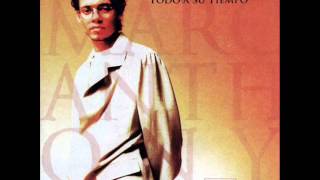
Che Che Colé Lyrics in English by Marc Anthony
Malanga refers to taro root, a starchy root vegetable popular in Caribbean and African cuisine. It's a unique word that isn't commonly found in many Spanish songs, making it memorable.
In "Che Che Colé," the word malanga is used in a playful, call-and-response chant. While it literally means taro root, in the context of this festive, dance-oriented song, it's likely used as a rhythmic, culturally specific element to evoke the African and Caribbean roots of the music and dance, rather than referring to the vegetable itself. It adds to the song's vibrant, celebratory atmosphere.
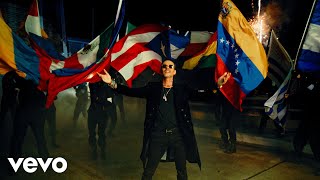
From the very first "Che Che Colé", Marc Anthony turns the room into a carnival of drums. The singer calls on everyone to dance al estilo africano (African style), promising to teach anyone who does not know the steps. The chorus, a playful reworking of the Ghanaian children’s chant Kye Kye Kule, acts like a drum roll that keeps returning, each time funnier and more contagious ("che che cofriza, muerto de la risa" literally means laughing to death).
Beyond the irresistible groove, the song is a celebration of Afro-Latin unity. Anthony name-drops rhythms such as bomba, bembé and baquiné, all born from the meeting of African drums and Caribbean life. He shouts out Venezuela and Panama, reminding us that this beat travels without needing a passport. In short, "Che Che Colé" is an open invitation: lace up your shoes the right way, join the circle, and feel how music erases borders and turns strangers into hermanos.