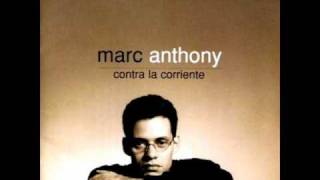
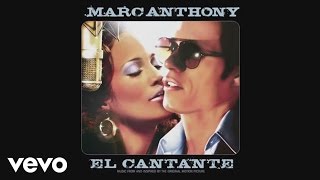
Barco A La Deriva Lyrics in English by Marc Anthony
Cervatillo literally means "fawn," a young deer. It's an endearing and somewhat rare term of endearment in song lyrics, making it stand out.
In "Barco A La Deriva," Marc Anthony uses it to describe someone vulnerable and hurt, singing, "Saldrás de aquí mi cervatillo herido" (You'll get out of here, my wounded fawn). This metaphor beautifully conveys a sense of protection and tenderness towards a fragile loved one, making the word both unique and emotionally resonant.
Barco A La Deriva paints the picture of someone you love drifting through heartbreak like a ship lost at sea. Marc Anthony spots the pain behind a brave face—“Por favor no digas que estés bien”—and fills the song with vivid images: a rose thrown in the trash, glass in the veins, and a fading April. Each metaphor shows how far the person has fallen from who they used to be, yet the chorus keeps circling back to that wounded boat that sinks a little more each day because it refuses to look at the guiding lighthouse.
The singer becomes both lighthouse and lifeboat. He promises shelter, warmth, and unwavering company, repeating “Yo no te voy a abandonar” like a mantra of hope. The message is simple but powerful: no matter how lost you feel, love can repaint melancholy rosa, steer you from the spiral, and keep you afloat until you’re ready to sail on your own again.