El Día De Mi Suerte Lyrics in English by Marc Anthony
Sobrellevar is a profound and resilient verb that means 'to bear' or 'to endure' a heavy burden. It's not just suffering passively; it carries the nuance of managing to carry on despite the weight, a strength hidden in struggle.
In the song, after recounting a life of immense loss and hardship, the singer questions if he will be able to sobrellevar this martyrdom ("Tal vez si lo podré sobrellevar"). It's a word full of emotional depth that perfectly captures the song's central tension between exhausting pain and the desperate will to survive.
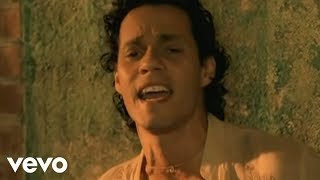
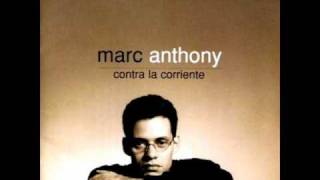
This song tells a tough story, but it's wrapped in one of the most hopeful and powerful choruses in salsa music. Marc Anthony lays out a life full of hardship, starting from childhood. He sings about losing both his parents at a young age, first his mother and then, "A los diez años papá se murió" (At ten years old my dad died). As he grows up, life doesn't get any easier. He finds himself just trying to survive in a world that feels stacked against him, explaining, "Para comer hay que buscarse el real / Aunque se contra esta sociedad" (To eat, you have to get the cash / Even if it's against this society).
Through all this pain and struggle, he holds on to one single, defiant belief. The chorus repeats like a prayer he refuses to give up on: "Pronto llegará / El día de mi suerte" (Soon my lucky day will arrive). He's completely convinced that before he dies, his fortune will turn around. It's a song about resilience and keeping faith even when you have every reason to lose it. He's tired of waiting, but he's sure his day is coming, and when it does, he promises he'll help everyone else.