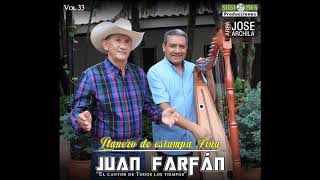
Llano Y Nostalgia Lyrics in English by Juan Farfan
Cimarrón literally translates to "wild" or "untamed," often referring to animals that have escaped domestication and returned to a wild state. It's a word deeply rooted in the history and culture of the Americas, particularly in relation to runaway slaves or livestock.
In the context of "Llano Y Nostalgia," it evokes the rugged, free spirit of the llanero (plainsman) and his horse, suggesting a connection to the untamed wilderness of the plains. It's a unique word that paints a vivid picture of the song's setting and themes of freedom and the wild frontier.
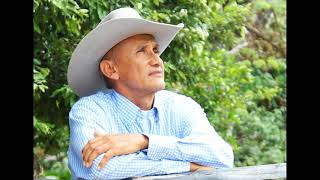
Juan Farfán's "Llano Y Nostalgia" is a heartfelt journey into the soul of the Venezuelan plains, or llano. He starts by remembering a time when things were different, a time of hard work and companionship, saying, "allí el águila gana paraguaya al toro padre que ayer tuve que meter era mi mujer y mi compa" [there the Paraguayan eagle wins against the bull, father, that yesterday I had to bring in, it was my woman and my companion]. This line, though a bit abstract, seems to evoke a sense of past struggles and the people who were with him.
He then expresses a deep connection to the land itself, almost like a spiritual bond: "al infinito tú que me viste nacer me viste nacer cuando muera voy contigo" [to the infinite you who saw me born, saw me born, when I die I go with you]. Farfán carries a profound nostalgia for the "días felices" [happy days] of the past, recalling the days of herding cattle, traveling for "40 días de Arauca a Villavicencio" [40 days from Arauca to Villavicencio]. He laments the changes, noting that places like "la coralina, los podridos y rodillos hoy día son sitios se acabaron para siempre" [the coralina, the rotten ones and rollers today are places that are gone forever], and that the llaneros [plainsmen] are fewer now. His heart aches, "mi corazón sufrí y llora ahogado en el sentimiento" [my heart suffered and cries drowned in feeling], as he prays for the spirit of the llano to return.