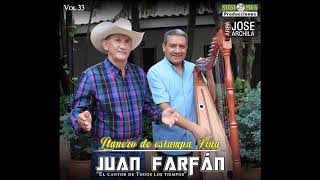
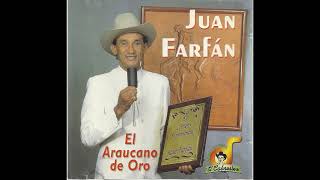
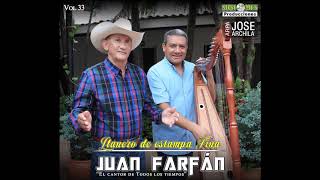
Amores En El Baile Lyrics in English by Juan Farfan
Forastero translates to "outsider" or "stranger". It's a word that evokes a sense of being from another place, often with a hint of being unfamiliar or not belonging.
In the song, the singer identifies himself as a forastero in relation to a woman, suggesting he is new to her world or perhaps not the type of man she is used to. This word sets a poignant tone, highlighting his longing and the distance between them.
Juan Farfan's "Amores En El Baile" tells the story of a man deeply affected by a past love. He's a "forastero" [outsider] who can't forget a woman who left him without a word. He remembers her departure vividly, feeling the sting of her absence and how some things in life just leave a mark. He wishes she had told him why she left, lamenting that he can't even sit alone in the plaza anymore because it makes him sad.
Despite his heartbreak, he's trying to move on. He acknowledges that another man, a musician, may have won her over, while he's just a "pobre loco" [poor crazy man]. He decides to get his horse ready, put on a good face, and look for a new life, perhaps even a new woman to share a home with. He dreams of a future where he's happy, with his horse by his side, and he declares that he won't die because this "ingrata" [ungrateful woman] left him. Even though he's trying to be strong, her memory still lingers, and he finds himself missing her "en verano y en invierno" [in summer and in winter], wishing for her touch and her kisses.