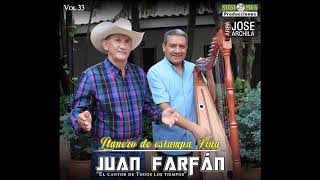
La Casa Vacia Lyrics in English by Juan Farfan
Vacía translates to "empty". While it might seem like a common word, its use in the song's title, "La Casa Vacía" (The Empty House), and throughout the lyrics, gives it a profound and poignant meaning.
In the context of the song, it evokes a deep sense of loneliness and loss. The singer laments returning to an empty house, symbolizing the absence of a loved one and the void left behind, making it a powerful and emotionally resonant word.
Juan Farfan's "La Casa Vacia" is a really heartfelt song about the pain of a man facing the departure of the woman he loves. He's not just sad; he's pleading with her not to leave, saying, "que el día que debiste vayas mujer bonita no quiero que te decidas" [that the day you should go, beautiful woman, I don't want you to decide]. He's imagining a future without her, where his eyes won't see and his heart won't feel, and he says these wounds will only disappear "del fin de mi vida" [at the end of my life].
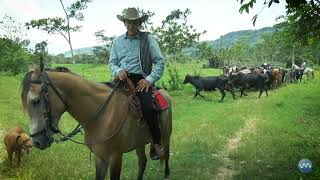
It gets even more intense as he pictures himself alone, seeing his "casa vacía" [empty house] with no one to greet him or even make him food. He talks about getting on his little horse and leaving, saying goodbye to his whole family, leaving his home "como una cosa perdida" [like a lost thing]. It's a pretty dramatic and emotional look at how deeply he'll be affected if she leaves him.