Bachata En Fukuoka Lyrics in English by Juan Luis Guerra
Anhelo expresses a deep, almost aching desire or yearning for something.
In the lyric "Caminé la playa de Momochi, mi anhelo", Juan Luis Guerra paints the beach itself as the object of his heartfelt longing, adding a layer of poetic emotion that’s more intense than a simple “wish.” It’s a beautiful, less-common word that invites learners to explore nuanced feelings in Spanish.
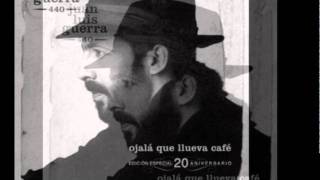
Who flies across the entire planet just to dance on a beach? Juan Luis Guerra does, apparently! In this track, he turns a massive trek from the Dominican Republic to Japan into pure poetry. He clocks a flight of nine hours to Paris, flies over Russia, and somehow manages a romantic layover: "con escala en tu boca" (with a layover in your mouth). By the time he lands in Japan, he is singing bachata by the seaside. He takes a stroll along real-life Momochi beach, where he watches the evening sky turn into an artist's canvas and admits "se me escapó una sonrisa del alma" (a smile slipped out from my soul). That phrase is classic Guerra: dramatic, sweet, and totally sincere.
The real joy here is watching two worlds crash into each other. You hear Dominican slang like "pa'bailar" (short for para bailar, meaning 'to dance') alongside the Japanese farewell "sayonara" (goodbye). When he sings "se me alegra la nota" (my mood lifts / my spirit brightens), he is using a Dominican idiom where la nota means your vibe or emotional state, not just a musical pitch. Even when a little dove perches on his window and it is time to pack his bags, he stays stuck on memories of sand, kissing, and seagulls over the ocean. It is an upbeat, jet-lagged love letter to an unexpected corner of the world.