Ailleurs Lyrics in English by Aya Nakamura
Ailleurs means "elsewhere" or "somewhere else". It's a common word, but in this song, it carries a strong emotional weight and a sense of longing.
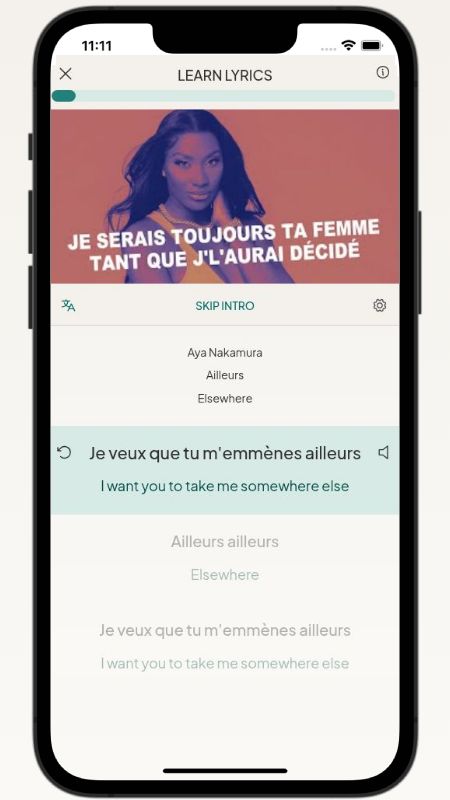
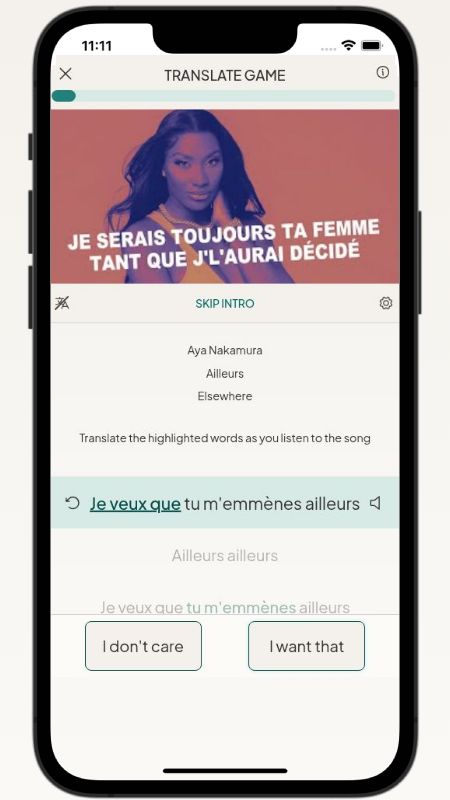
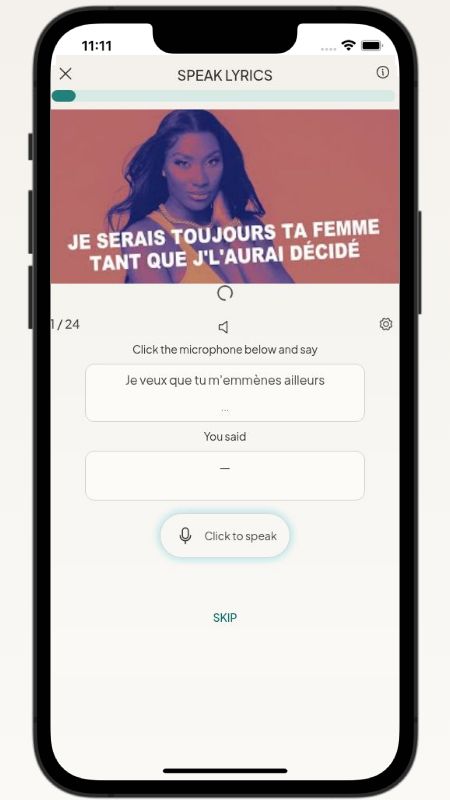
The repeated phrase "Je veux que tu m'emmènes ailleurs" (I want you to take me elsewhere) isn't just about a physical location. It expresses a desire for escape, a change from current circumstances, or a different kind of relationship. This makes it a central and evocative word in the song's narrative.
Aya Nakamura is the queen of describing complicated relationships, and "Ailleurs" is a perfect example. She's talking to a lover, and things are messy. She admits, "On sera toujours en biz biz" [We'll always be in conflict], and that there's "trop d'sale, trop d'sale, dans nos affaires" [too much dirt, too much dirt, in our business]. It's a relationship built on drama and power plays. She's completely in control, saying things like, "Je serais toujours ta femme / Tant que j'l'aurai décidé" [I'll always be your woman / As long as I've decided it]. She knows exactly how to keep him hooked.
Despite all the fighting, there's a deep connection. She calls him "ma came" [my drug] and says their arguments always end well: "Ça finit toujours en câlin" [It always ends in a cuddle]. The chorus, "Je veux que tu m'emmènes ailleurs" [I want you to take me somewhere else], feels like a desire to escape all the drama they've created. She wants him to just pick her up and leave the mess behind for a while, even if she's the one who enjoys making it.