El Azul Lyrics in English by Junior H, Peso Pluma
Bélico literally means 'warlike' or 'bellicose', deriving from the Latin word for war, bellum.
This powerful adjective is the key to understanding an entire modern genre of Mexican music: corridos bélicos. These songs are characterized by their aggressive energy and lyrics about conflict, power, and a confrontational lifestyle. In the song, the artists proudly declare, "Bélicos ya somos, bélicos morimos" (We are already warlike, we die warlike), fully embracing this defiant identity.
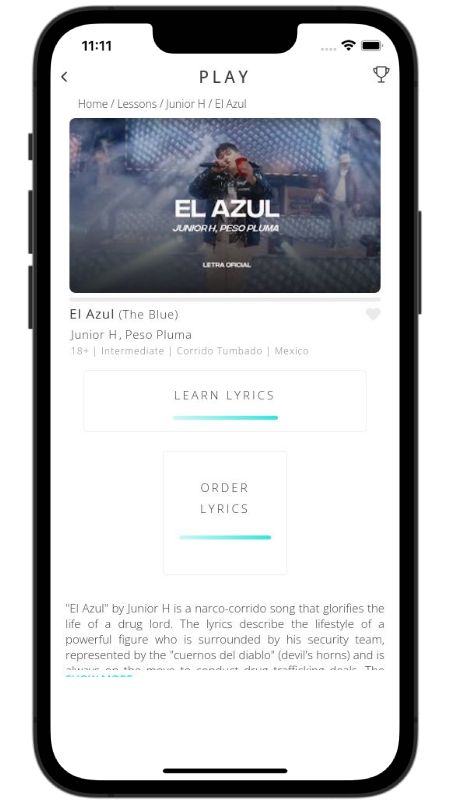
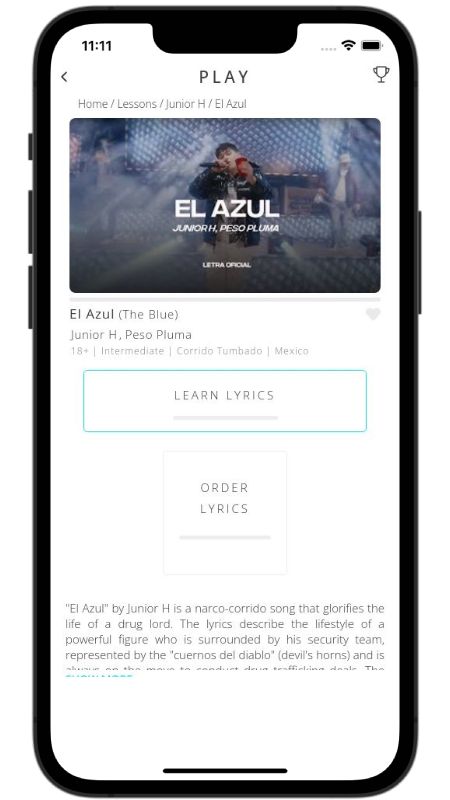
"El Azul" brings Junior H and Peso Pluma together for a heavy-hitting corrido tumbado that stares straight down the barrel of the underworld.
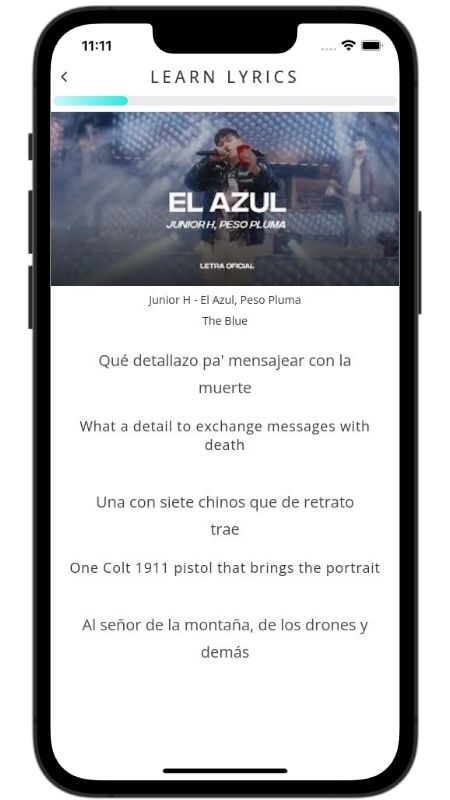
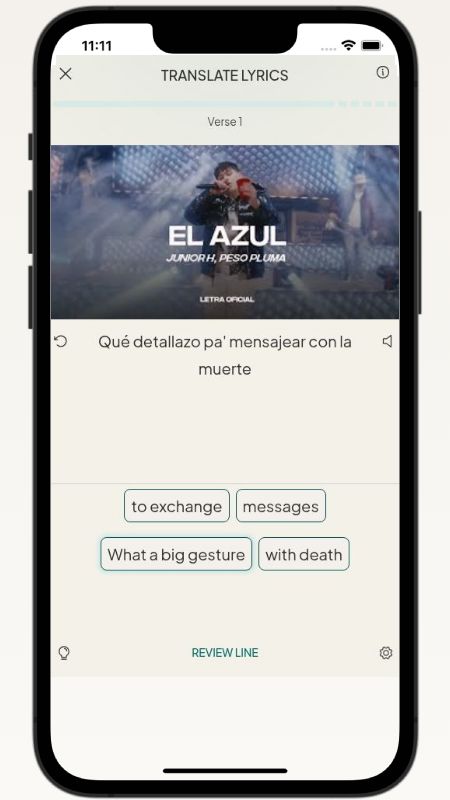
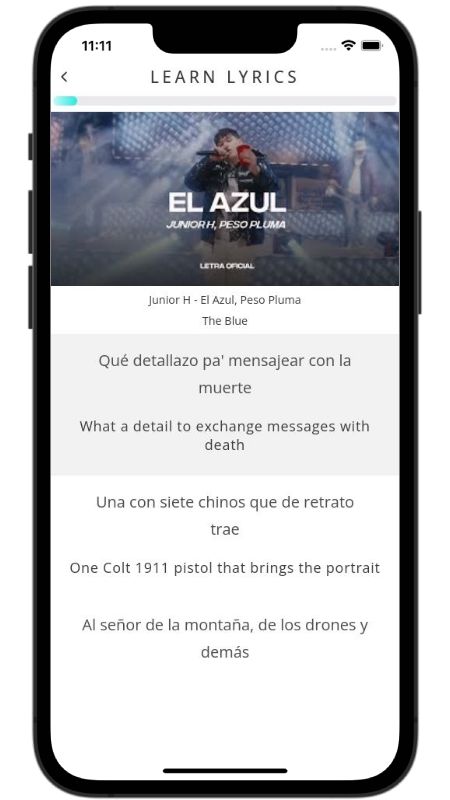
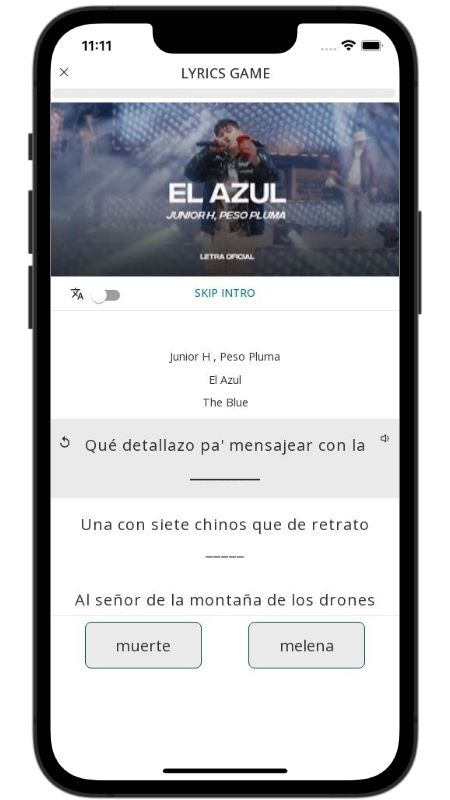
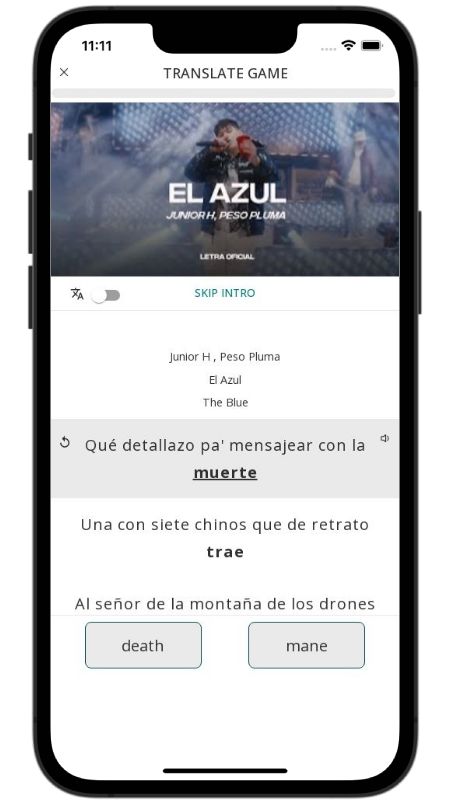
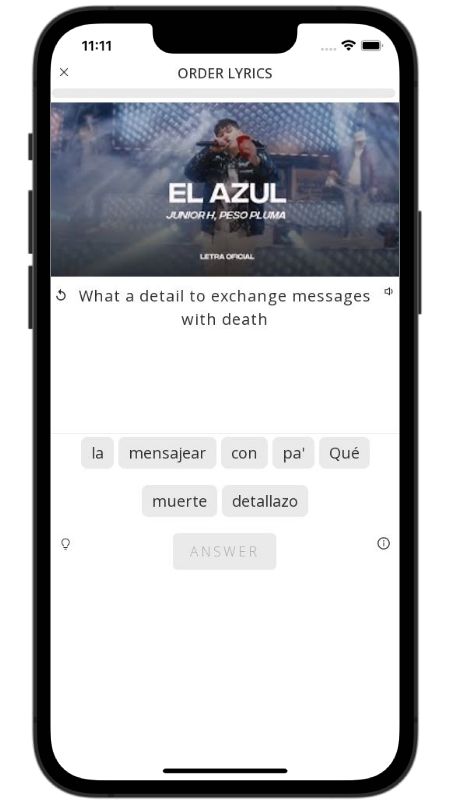
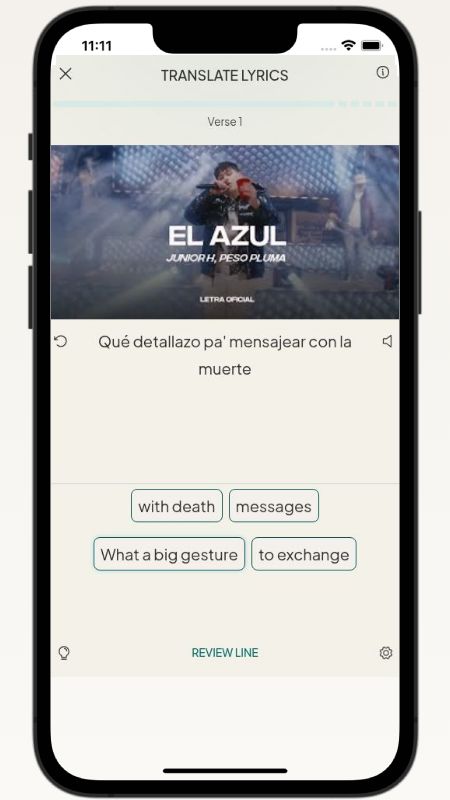
The lyrics mix extreme danger with personal faith and status symbols. The narrator chats casually with danger ("Qué detallazo pa' mensajear con la muerte" [What a nice detail to text with death]) while carrying "cuernos del diablo" [horns of the devil, Mexican slang for AK-47 rifles] alongside a private security squad. He seeks spiritual protection through a baseball cap honoring Eleguá ("mi gorrita de Elegua" [my little Elegua cap]), the Santería orisha of roads and crossroads, while cruising in a blue Rolls-Royce.
There is no sugarcoating the illicit work: the track mentions trafficking powder up to "la finiquera" [slang for Phoenix, Arizona] and directly references "el 701", the infamous number tied to drug lord Joaquín "El Chapo" Guzmán from his spot on the Forbes billionaire list. Even with the adrenaline and wealth, the song ends on a blunt, fatalistic confession: "Bélicos ya somos, bélicos morimos" [Warriors we are, warriors we die] and asking God for forgiveness for their sins, simply shrug-ging it off with "pero así es esto" [but that is just how this goes].