PARIS Lyrics in English by Junior H
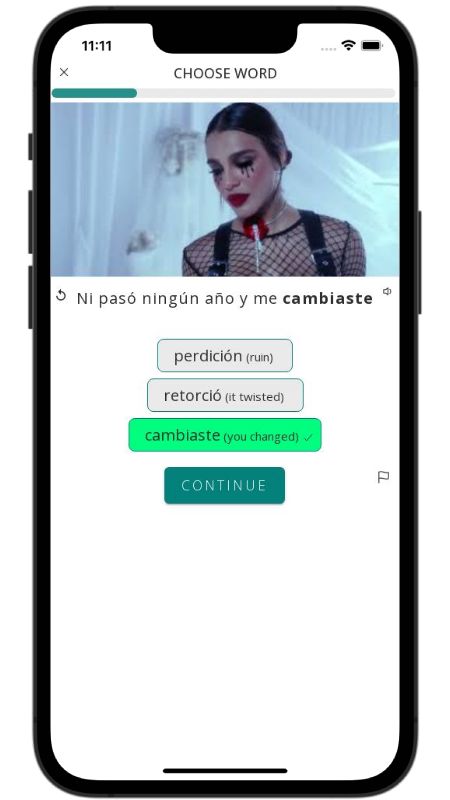
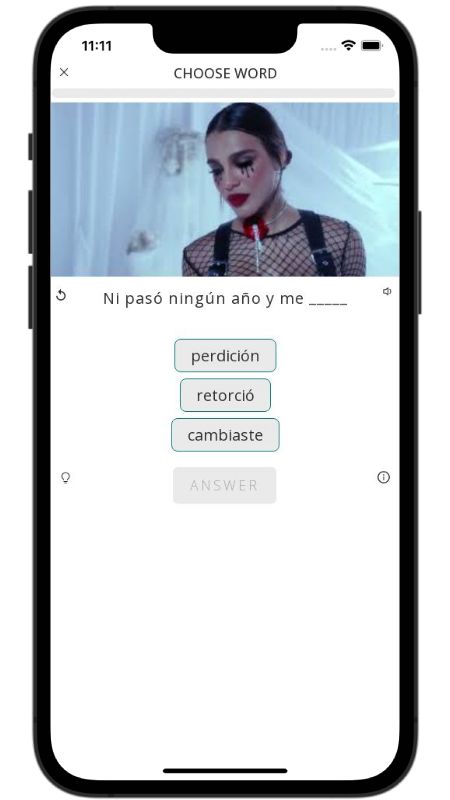
Retorció comes from the verb "retorcer", meaning to twist, wring or contort. It is a vivid, intense verb that is not commonly found in every song.
The song says "Mi corazón me lo parché, pero algo se retorció" (I patched up my heart, but something twisted), using retorció to describe a sudden, painful knot of feeling even after trying to heal.
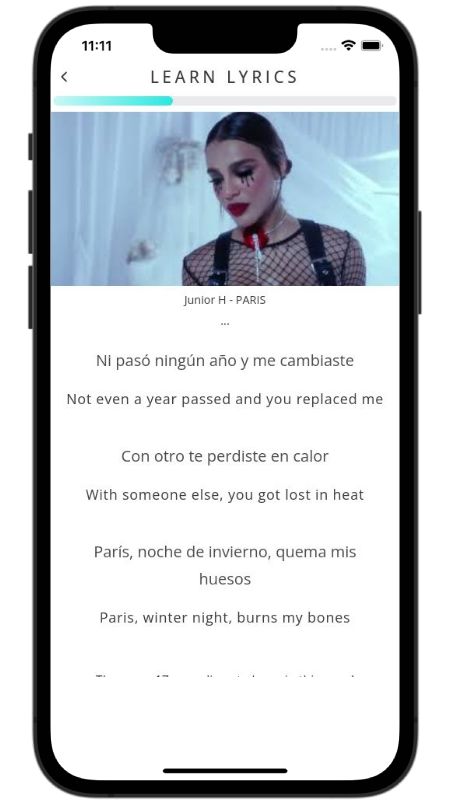
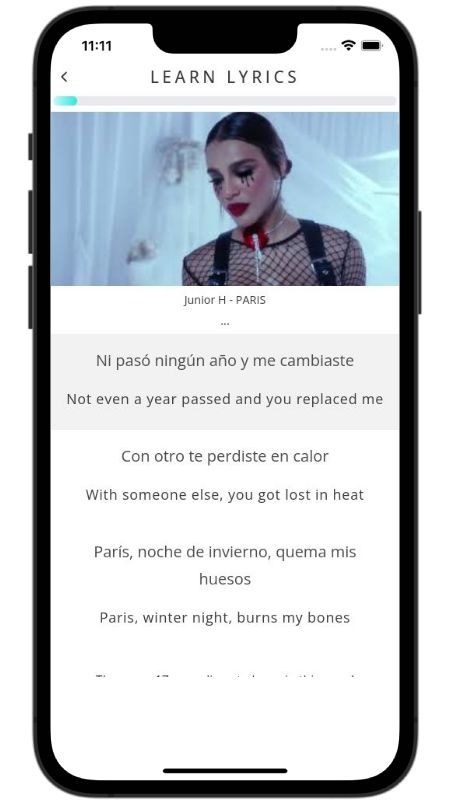
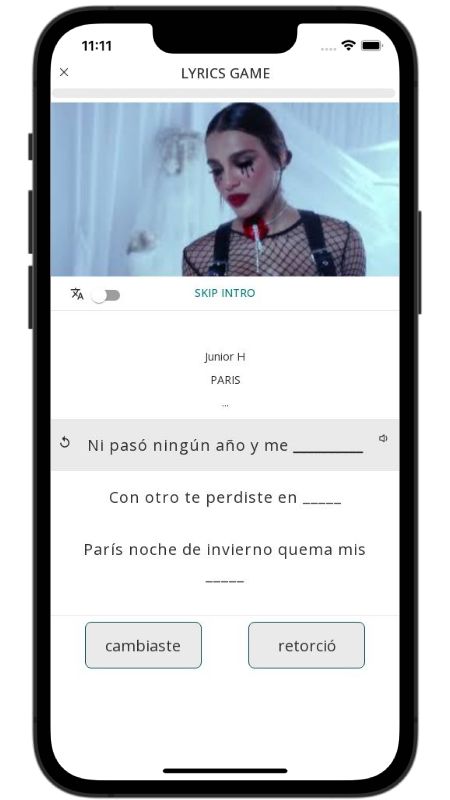
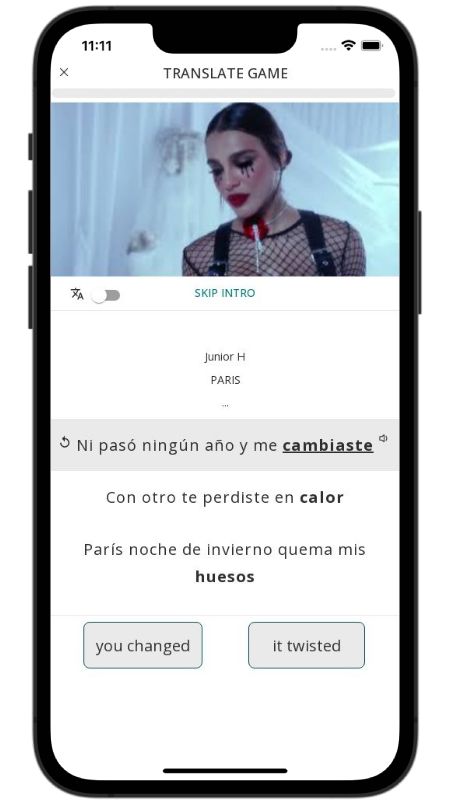
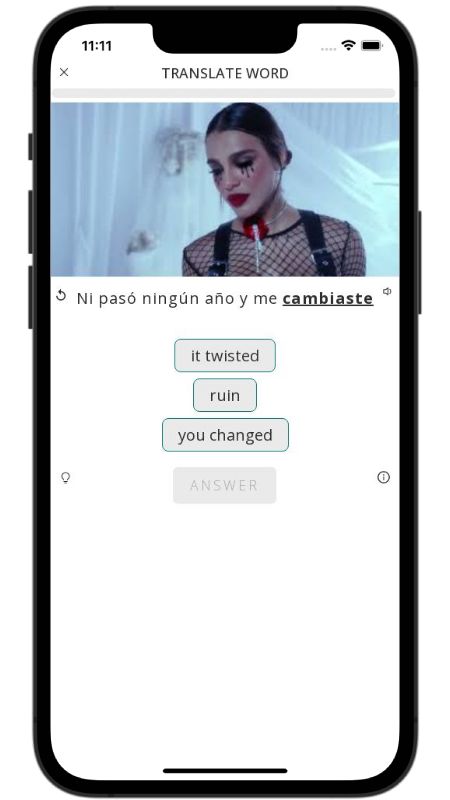
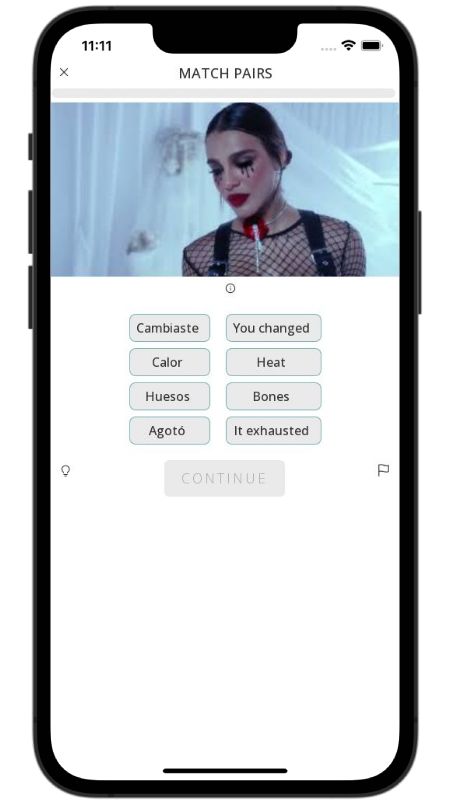
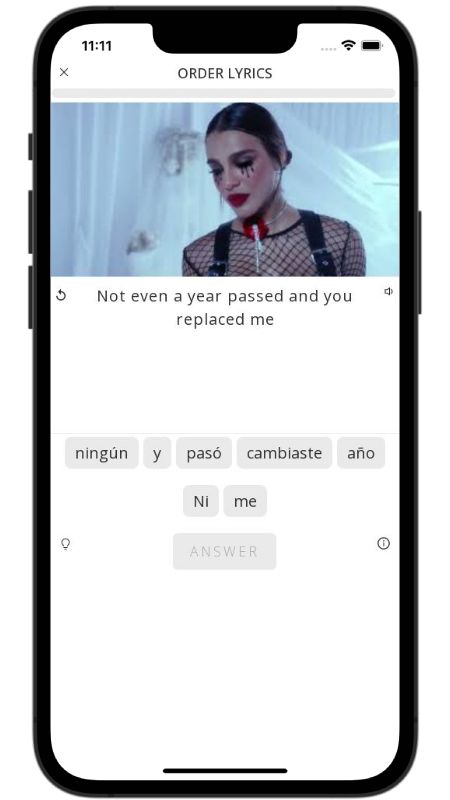
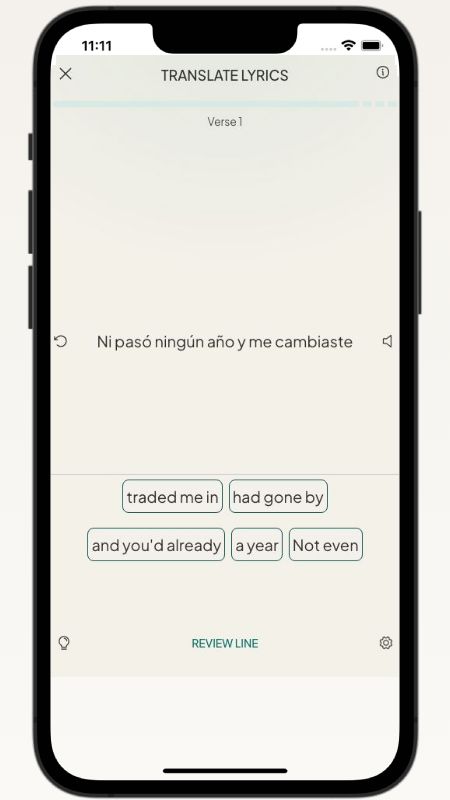
Junior H sets a scene of total heartbreak in a city that's supposed to be for lovers. He's in Paris on a winter night, but it's not romantic at all. Instead, he says, "París, noche de invierno, quema mis huesos" (Paris, winter night, burns my bones). The cold feels like it's inside him, and he's dealing with a breakup that happened way too fast: "Ni pasó ningún año y me cambiaste" (Not even a year passed and you replaced me).
He's trying to cope, but nothing is working. He admits he's found someone new who loves him, but he's still drawn to a self-destructive life in clubs, calling it "perdición" (ruin). He tries to patch up his heart, but feels like "algo se retorció" (something got twisted) in the process. The song's central idea is that a specific moment has broken him completely. He repeats that on "Esa noche en París se congeló" (That night in Paris froze), everything stopped, because "Una morra esa noche me mató" (A girl killed me that night).