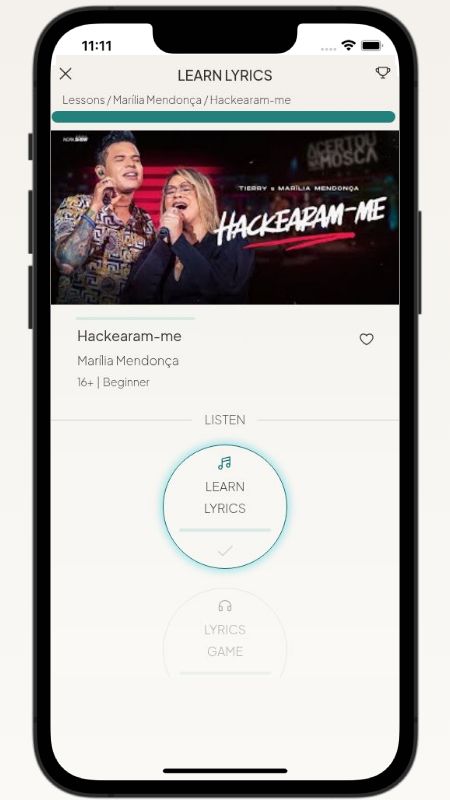
Hackearam-me Lyrics in English by Marília Mendonça
Hackearam-me literally translates to "they hacked me." It's a modern and intriguing word that immediately grabs attention, as it's not commonly found in traditional song lyrics.
In the context of the song, the singer uses this phrase metaphorically to explain away messages sent to her ex-lover. She claims that if he receives a message saying "I still love you," it's not her, but rather someone who has "hacked" her phone or her heart, making her say things she supposedly doesn't mean. This clever use of a contemporary term adds a unique twist to a classic breakup narrative.
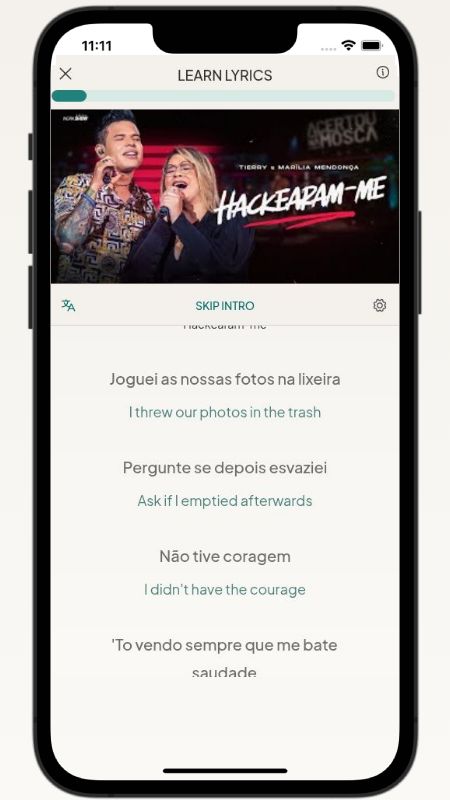
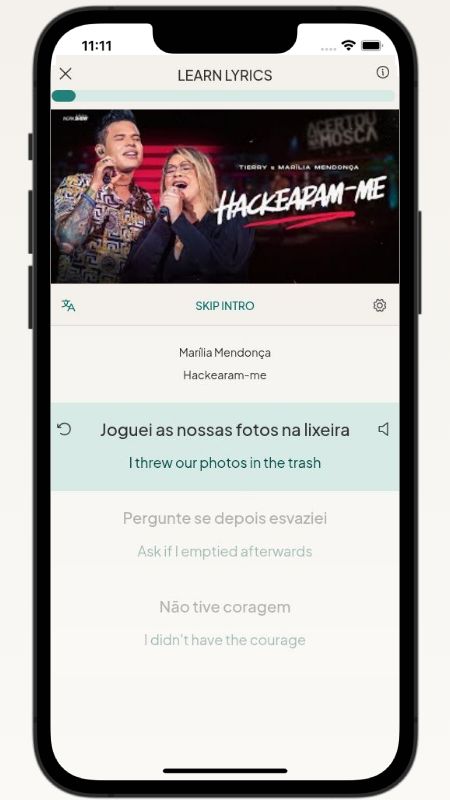
Have you ever tried so hard to get over someone, but your own heart betrays you? That's exactly what's happening in this song. Marília Mendonça sings about trying to move on after a breakup. She's deleted their photos... well, almost. She admits she threw them in the trash but couldn't bring herself to empty it: "Não tive coragem" [I didn't have the courage]. She's even avoiding going out because the Portuguese word for 'to drink', beber, sounds too much like bebê [baby], which is what she used to call her ex. That's a clever, and pretty sad, reason to turn down a drink!
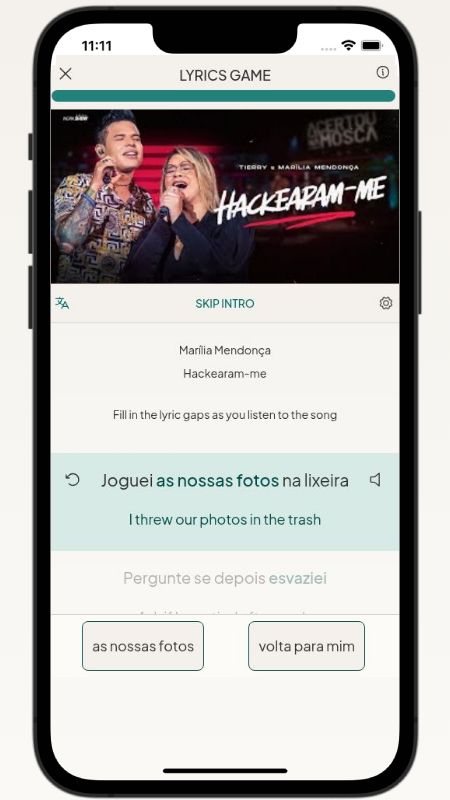
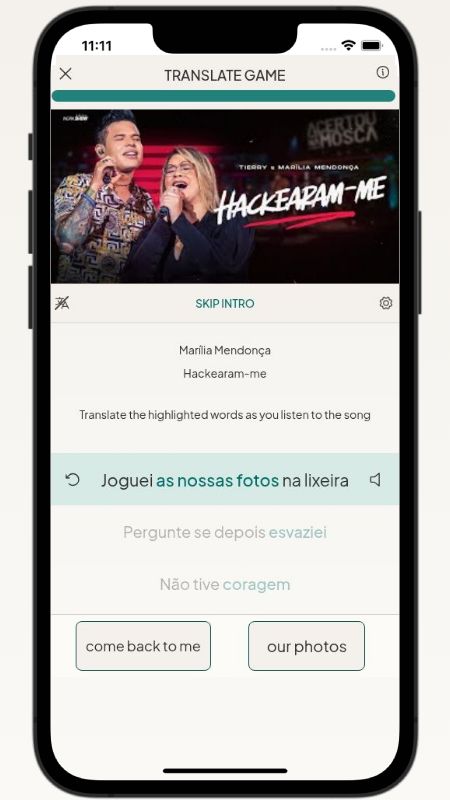
So what does she do when she knows she might break down and contact her ex? She comes up with the perfect excuse: she's been hacked! She warns her ex, "Se essa noite eu te ligar / Não atenda" [If I call you tonight / Don't answer]. She claims her heart has cloned her phone's SIM card and is sending messages saying "volta para mim" [come back to me] and "ainda te amo" [I still love you]. It's a funny and very relatable way to talk about that feeling when your rational brain wants to move on, but your heart just won't listen.