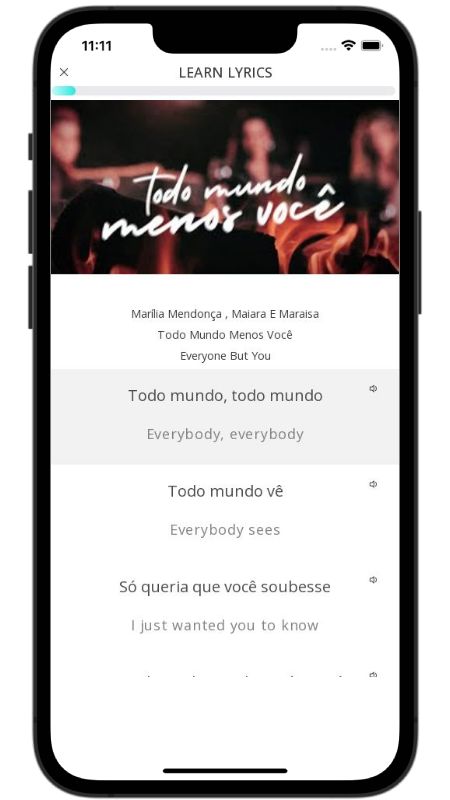
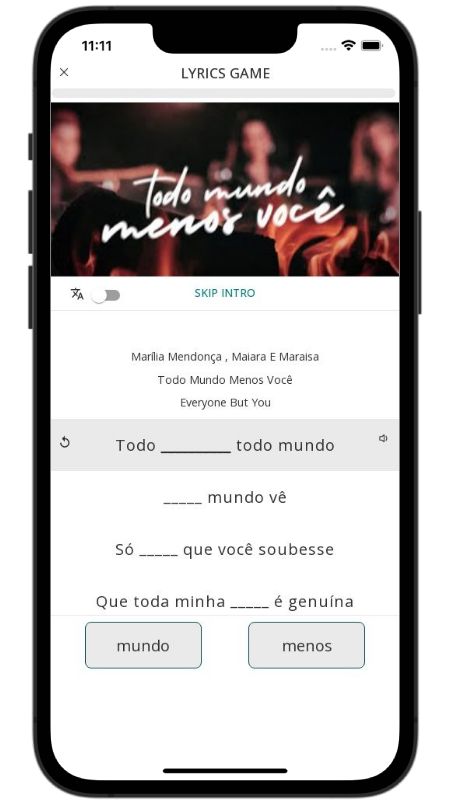
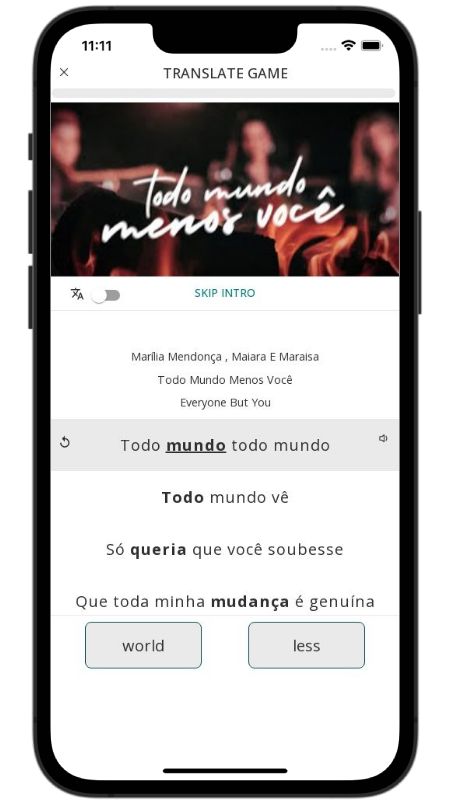
Todo Mundo Menos Você Lyrics in English by Marília Mendonça, Maiara E Maraisa
Versão is a direct cognate for "version," but in this song, it's used in a deeply personal and modern way to describe self-improvement after a breakup.
Marília Mendonça sings directly to her ex, "Se você gostou da minha nova versão" (If you liked my new version). This metaphor of becoming a "new version" of herself is powerful and relatable, capturing the vulnerability of changing for someone and anxiously awaiting their validation of the 'new you'.
Have you ever changed yourself for someone after a breakup, hoping they'd notice? That's exactly what's happening in this song. Marília Mendonça sings about how much she's improved since her relationship ended. Everyone around her can see it, saying, "Dizem que eu ando bem melhor / Depois que eu terminei" [They say I'm doing much better / After I broke up]. They all think she's moved on, but she lets us in on a secret: all this change was for her ex.
She's putting in all this work, not just for herself, but to win her old love back. She sings directly to them, asking, "Se todo mundo viu / Porque você não tá vendo?" [If everyone saw it / Why aren't you seeing it?]. The whole point of her "nova versão" [new version] is to make them proud and fall in love with her again. The frustrating part? It seems like "Todo mundo menos você" [Everyone but you] can see the effort she's making.