ADMV Lyrics in English by Maluma
Amarrar literally means "to tie up". In this context, it's a popular slang term for being "tied down" in a committed relationship.
Maluma sings, "Era perro y me amarraron," which means "I was a dog (a player) and they tied me up." He's playfully describing how he fell so deeply in love that he left his wild single life behind. It's a colorful and very common expression you'll hear in Latin music and culture.
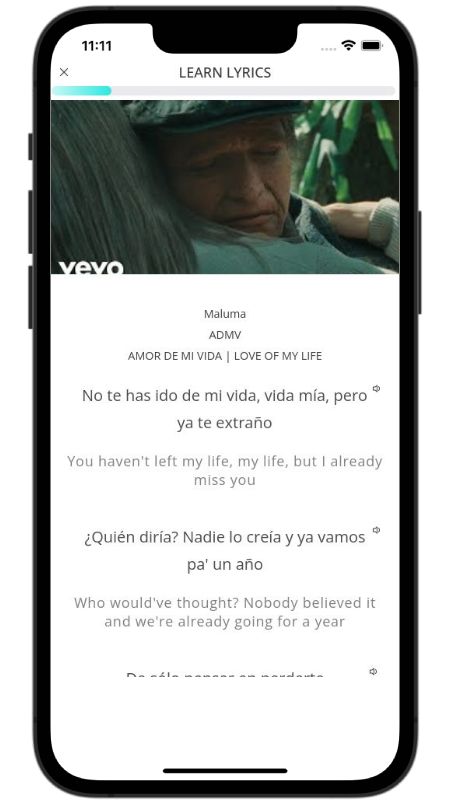
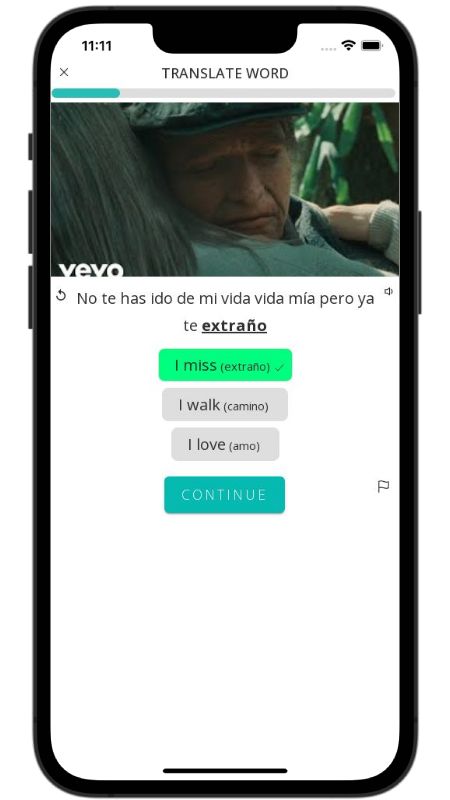
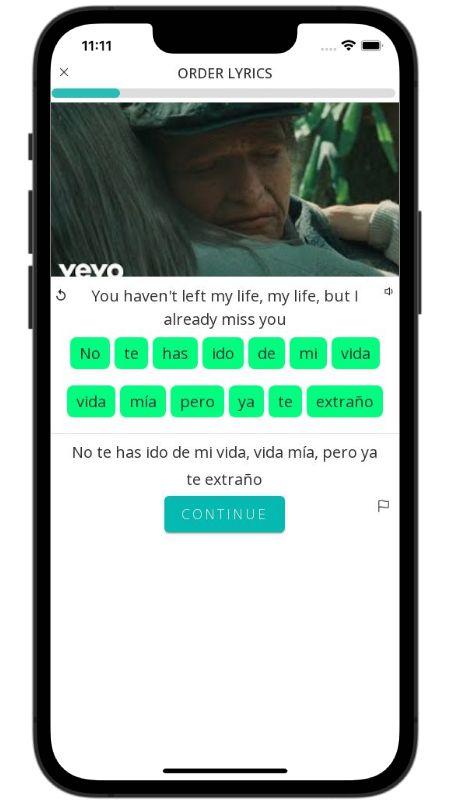
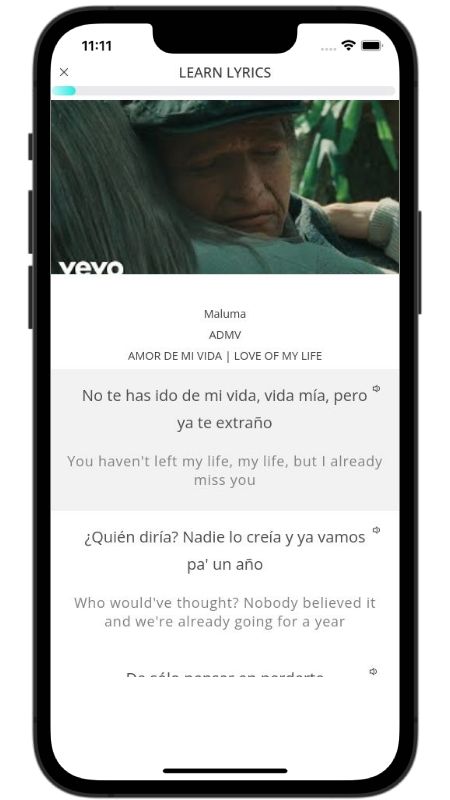
Colombian superstar Maluma gives us a beautiful acoustic ballad with "ADMV," which is an abbreviation for the song's main message: "Amor De Mi Vida" (Love of My Life). This isn't your typical party track. Instead, Maluma imagines a future with his partner, picturing them growing old together. He's so worried about losing her that he sings, "No te has ido de mi vida, vida mía, pero ya te extraño" (You haven't left my life, my life, but I already miss you). The whole song is a promise that even when their bodies fail and their memories fade, his love will remain. He hopes that if everything else is gone, he'll remember one thing: "Que se me olvide todo, menos que tú eres mía" (Let me forget everything, except that you are mine).
He also gets surprisingly honest about how this relationship changed him. Maluma admits he used to be a player, with the funny and very direct line, "Era perro y me amarraron" (I was a dog and they tied me up). He sees this change as a good thing, calling it "justo y necesario" (fair and necessary). It's a sweet and sincere declaration of love, promising to stick around for the long haul, through everything life throws at them.