El Vallenato Lyrics in English by Maluma
Parranda refers to a lively party or celebration, often spontaneous and involving music, especially in Latin American culture. While similar to 'fiesta', 'parranda' carries a more specific connotation of a festive gathering, often with a focus on traditional music like vallenato, which is the genre of this song.
In the lyrics, Maluma sings, "En la parranda que me quiten el cel porque luego me descacho" (At the parranda, they should take my phone away because then I mess up). This word perfectly captures the vibrant, social atmosphere of the song and its musical roots, making it an enticing and culturally rich word for learners.
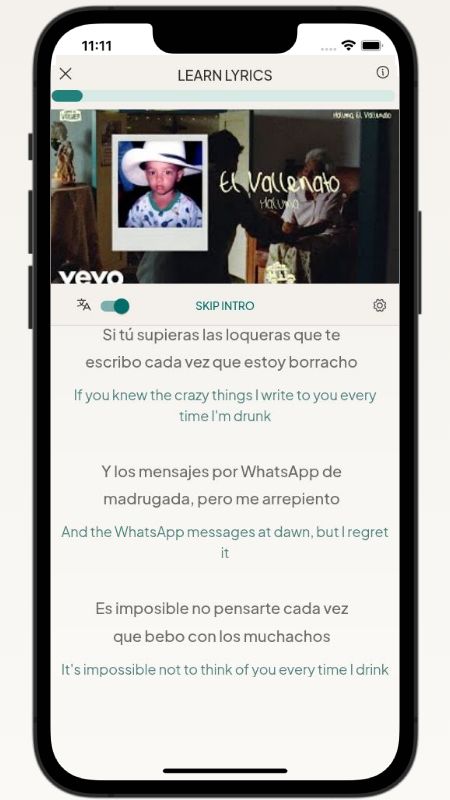
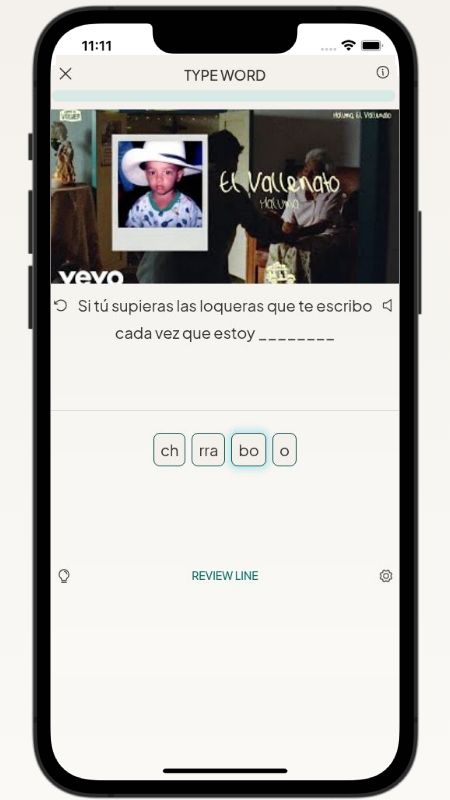
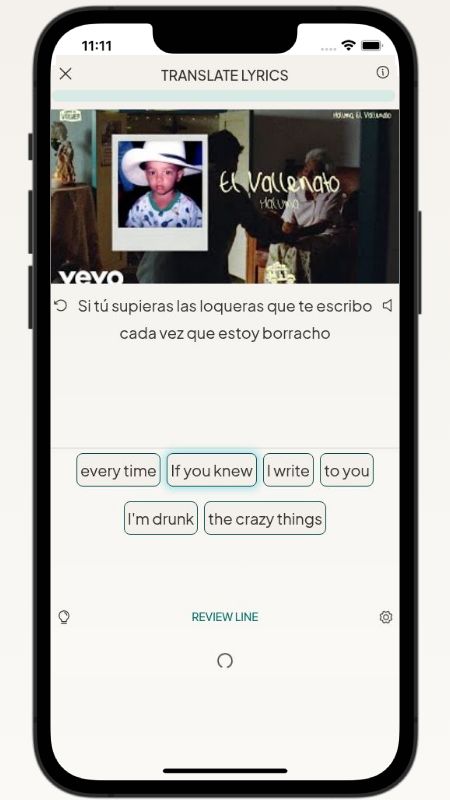
Maluma is going through it in this song! He's trying so hard to get over someone, but it's just not working. He's at the point where he has to tell his friends to take his phone away when they're partying so he doesn't mess up and text her. He even admits he writes her crazy things when he's drunk: "Si tú supieras las loqueras que te escribo cada vez que estoy borracho" (If you only knew the crazy things I write to you every time I'm drunk). He's trying to put up a strong front, but he's really struggling with the fact that she's gone.
He asks all these questions that anyone who's been through a breakup will understand, like "Si ya tú eres pasado / ¿Por qué esto no se me ha pasado?" (If you're already in the past / Why am I not over this?). He's too proud to contact her directly, so he asks someone else to pass on the message: "Díganle que la extraño / Y que no le escribo por orgullo" (Tell her that I miss her / And that I don't write because of pride). He's fine until the memories come back, and then the feeling just takes over.