Vas A Quedarte Lyrics in English by Aitana
Arrepentida means 'regretful' or 'sorry', but it conveys a much deeper sense of remorse than a simple apology. It's the feminine form of the adjective derived from the verb arrepentirse, which means 'to repent' or 'to regret'.
In the song, Aitana sings, "Yo que me acostumbré a estar arrepentida" (I, who got used to being regretful). This powerful line reveals she has lived with this heavy feeling for a long time, making her plea for a second chance incredibly sincere and heartfelt.
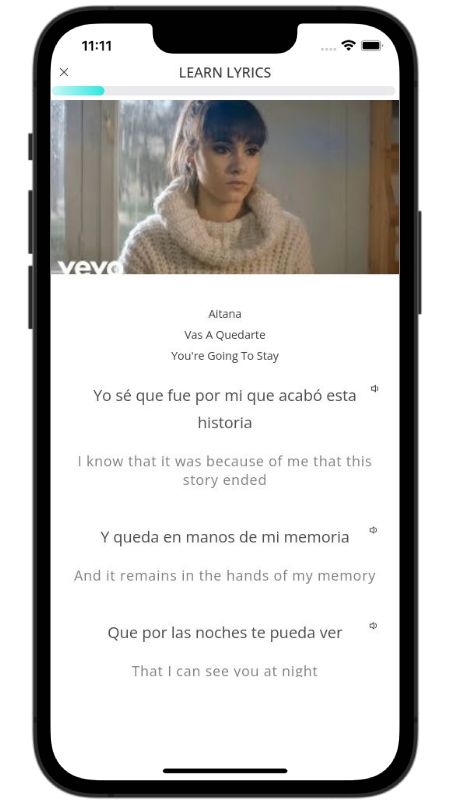
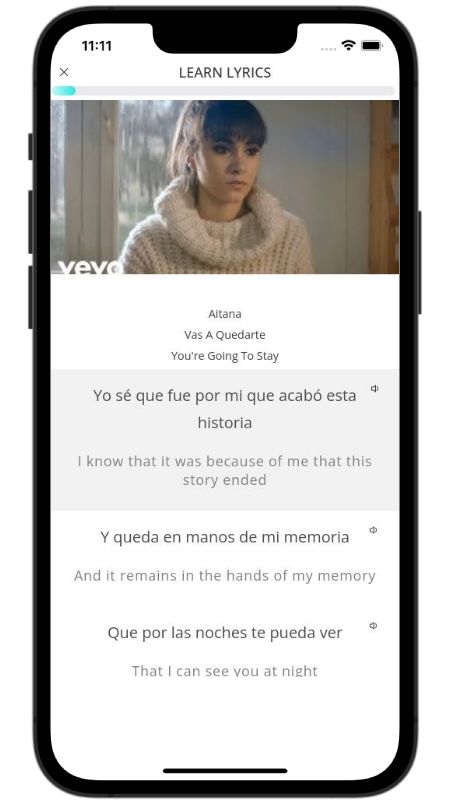
Spanish pop singer Aitana delivers a dramatic, desperate plea for a second chance in "Vas A Quedarte" (You're Going to Stay). She starts off taking total blame for the breakup with "Yo sé que fue por mi que acabó esta historia" (I know it was because of me that this story ended). Her fatal mistake? She hid her true feelings and stayed quiet when she should have spoken up: "Siempre lo supe y no dije nada / Mi corazón se quiso esconder" (I always knew it and said nothing / My heart wanted to hide). Now, she cannot sleep, she cannot replace her ex, and she admits everyone probably thinks she has lost her mind.
Despite the common warning that going back to an ex is doomed ("Aunque nos digan que eso nunca sale bien" [Even though they tell us that never turns out well]), she goes completely all-in on making things right. The entire chorus is a massive promise: if her ex just gives her another shot, she will do whatever it takes to make them fall in love again ("Yo haré de todo por volver a enamorarte" [I will do everything to make you fall in love again]). It is a bold, stubborn, heartsick pop ballad about tracking down the one that got away and refusing to let them leave a second time.