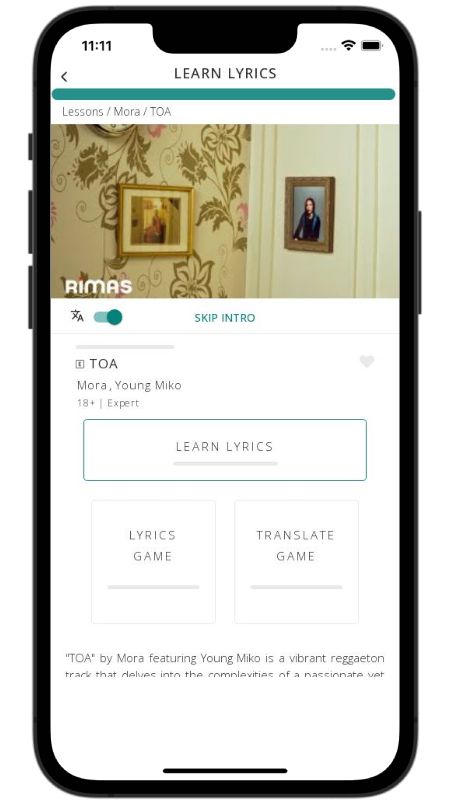
TOA Lyrics in English by Mora, Young Miko
Bandida literally means a female bandit, but in modern slang it often refers playfully to a girl who breaks the rules, is a bit mischievous, or hard to control.
In the song, calling her "una bandida" paints her as a daring, confident woman who does what she wants and is not easily tamed. It’s a vivid, memorable word that mixes the idea of a criminal with a flirtatious, rebellious personality, making it great for learners to explore nuance and tone in Spanish.
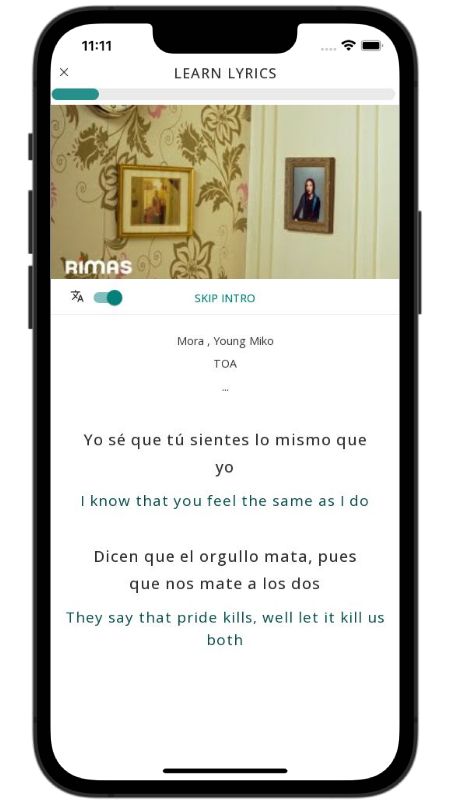
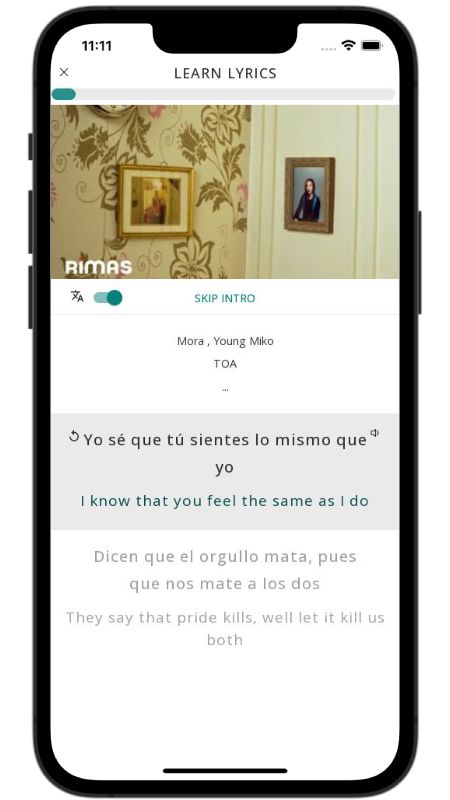
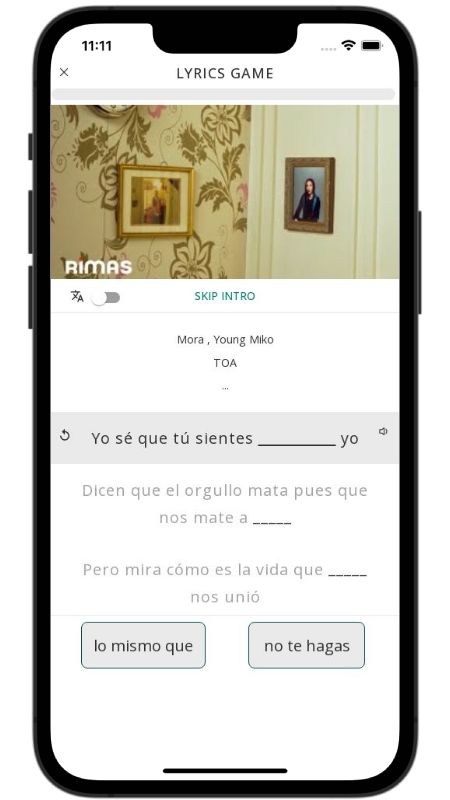
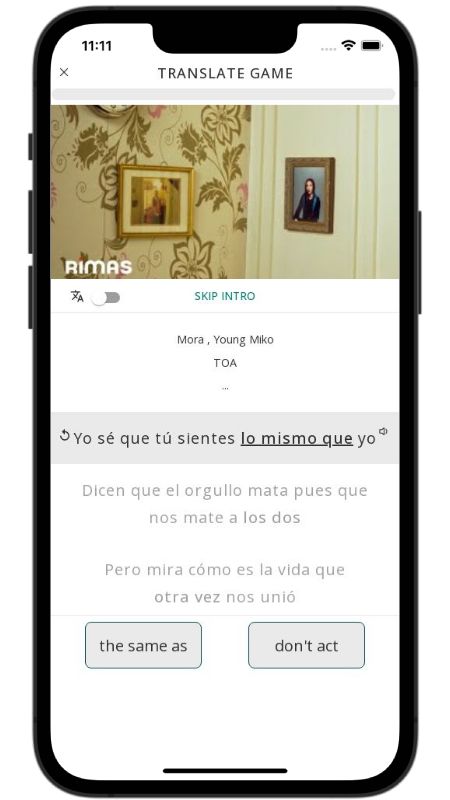
This song is all about a super intense, on-again, off-again relationship where pride gets in the way. Mora and Young Miko sing about two people who can't stay away from each other, even though they both pretend not to care. They know their connection is undeniable, with Mora singing, "Yo sé que tú sientes lo mismo que yo" (I know you feel the same way I do). But they're both stubborn, leading to the very dramatic line, "Dicen que el orgullo mata, pues que nos mate a los dos" (They say pride kills, well, let it kill us both).
Despite the games, they always end up back together, and the physical chemistry is off the charts. Mora isn't shy about the details, calling her "number one" in bed and boasting that she knows all the positions. He calls her "mi loca" (my crazy girl), which sounds like a mix of frustration and affection because she's always playing it cool. But he sees right through it, knowing that even when she acts like she's moved on, she'll miss him tomorrow and they'll end up in the same place again: "En casita comiéndote toda" (At home, eating you all up).