L'enfant Et La Mer Lyrics in English by Scylla, Sofiane Pamart
Léviathan refers to the biblical sea monster, a colossal creature symbolizing chaos and immense power. It's a word steeped in mythology and rarely encountered in everyday French.
In the context of this song, the characters express a desire to "affronter Léviathan puis défier Poséidon" (confront Leviathan then defy Poseidon). This vividly portrays their ultimate ambition to face the greatest challenges and conquer the most formidable forces of the sea, highlighting their adventurous and rebellious spirit.
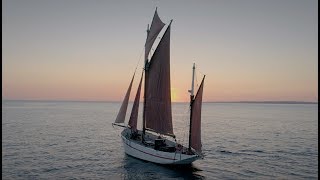
This song, "L'enfant Et La Mer" by Scylla featuring Sofiane Pamart, tells a powerful story about a boy's lifelong obsession with the sea and his desperate desire for freedom.
From his earliest memory, marked by a "maudite falaise" [cursed cliff] and the sea that "emportant avec elle l'avenir" [carried away the future], the boy has spent his life waiting for ships to return. He dreams of being taken by the sea, just like his father and brothers, despite his mother's warning: "Souviens-toi seulement d'la façon dont la mer a pris ton père" [Just remember how the sea took your father]. For him, every day on land is like "prison ferme" [hard prison], and he longs to "lever l'ancre, être libre" [weigh anchor, be free]. He wants to burn brightly and be carried to the sky by the waves, even if it means returning as "capitaine d'un vaisseau fantôme" [captain of a ghost ship]. He's always on the beach, exploring old, gutted ships, trying to recruit a crew for a grand adventure, promising "l'Univers en héritage" [the Universe as inheritance] and "inestimables trésors venus d'invisibles continents" [invaluable treasures from invisible continents]. He envisions sailing far from this dark country, following a star, never growing old, and even challenging Leviathan and Poseidon. Ultimately, he takes to the sea, just as he dreamed, defying those who "sont toujours lâchement restés sur la terre" [cowardly stayed on land]. It's a defiant and passionate journey into the unknown, embracing destiny no matter the cost.