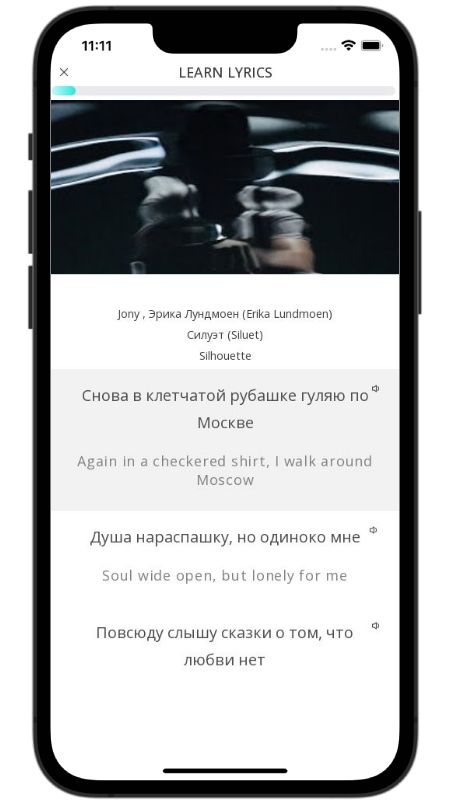
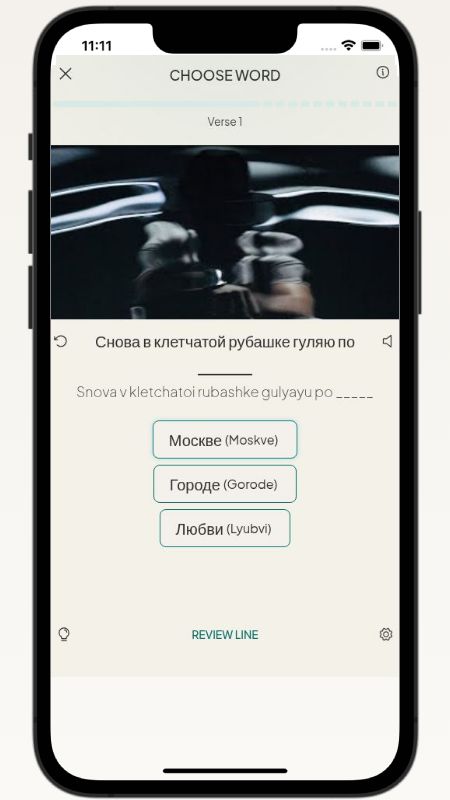
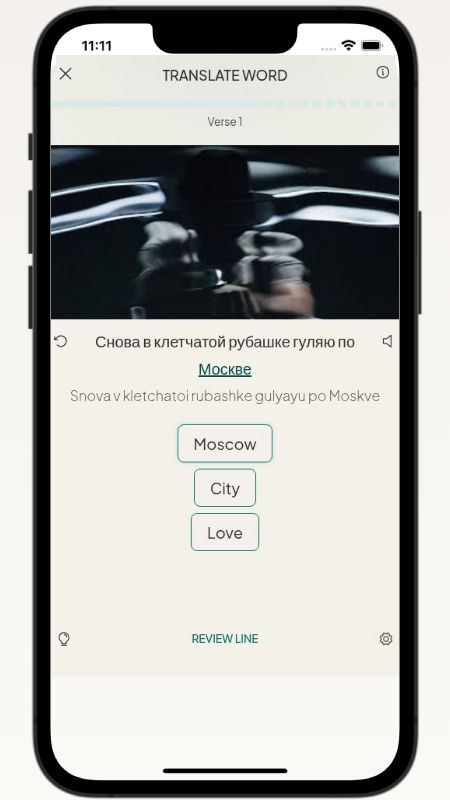
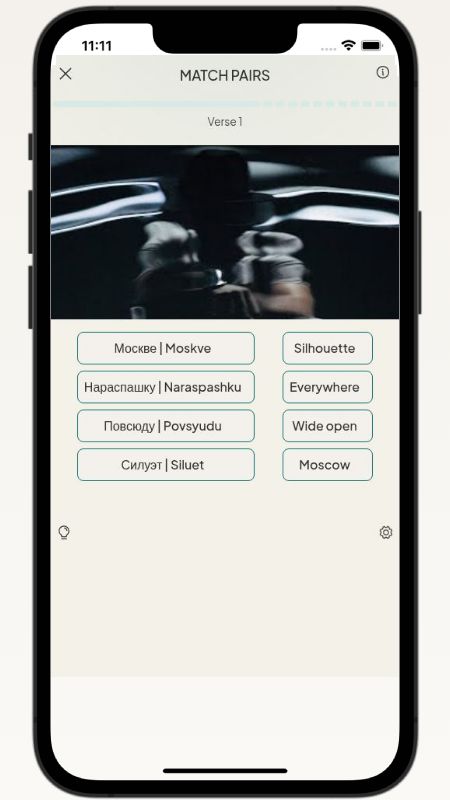
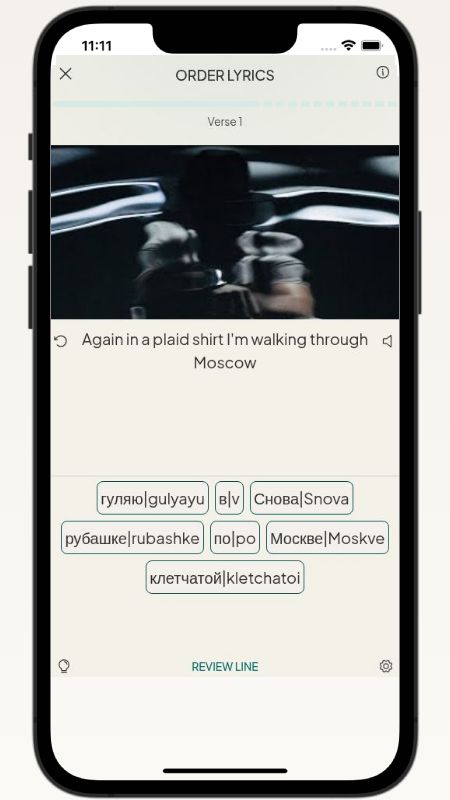
Нараспашку literally means 'wide open' or 'unbuttoned'. It's often used idiomatically, as in 'душа нараспашку' (dusha naraspashku), which translates to 'soul wide open'. This phrase signifies being completely open, vulnerable, and sincere.
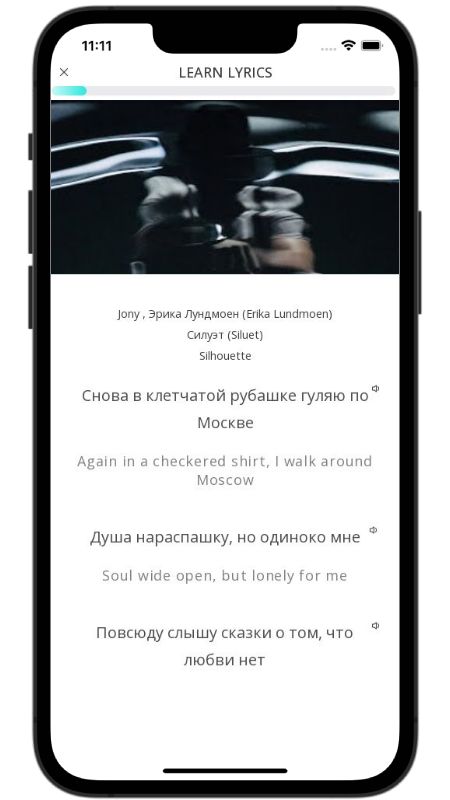
In Jony's song, the lyric 'Душа нараспашку, но одиноко мне' (My soul is wide open, but I'm lonely) beautifully captures a sense of profound vulnerability and emotional exposure, despite a feeling of isolation. It's a poetic and memorable way to express deep emotional openness.
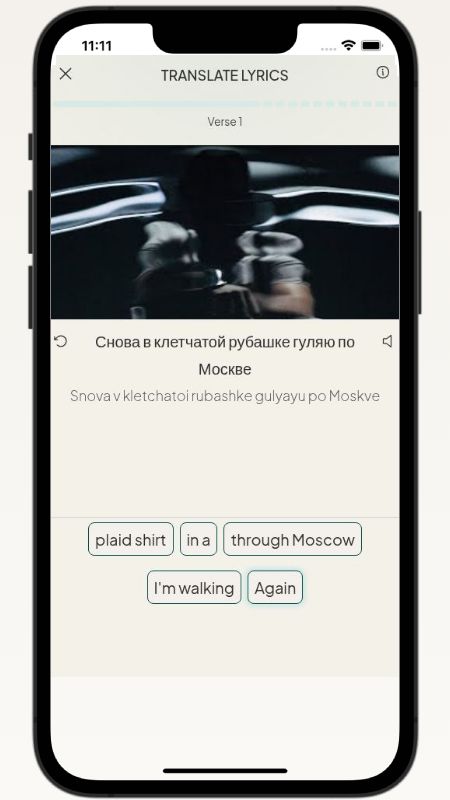
This song is all about feeling lonely in a big city. Jony sets the scene perfectly: he's walking through Moscow in a plaid shirt, feeling like his "Душа нараспашку, но одиноко мне" (My soul is wide open, but I am lonely). It's a feeling of being ready for connection but finding none. Everyone around him seems to believe that "любви нет" (love doesn't exist), but he refuses to give up. He's holding out hope that one day he'll find the "силуэт" (silhouette) of the person he's meant to be with.
The song feels like a conversation between two lonely people. Jony feels like they are from "разных миров" (different worlds) and just wants a sign that she's okay. Then, Эрика Лундмоен's verse comes in, describing a broken heart hidden behind a mask of indifference. She admits her "равнодушие это облик" (indifference is a facade) and asks for comfort, to be told a fairy tale. It's a beautiful duet about two people searching for each other, battling their own sadness and the cynicism of the world around them.
Did you know?
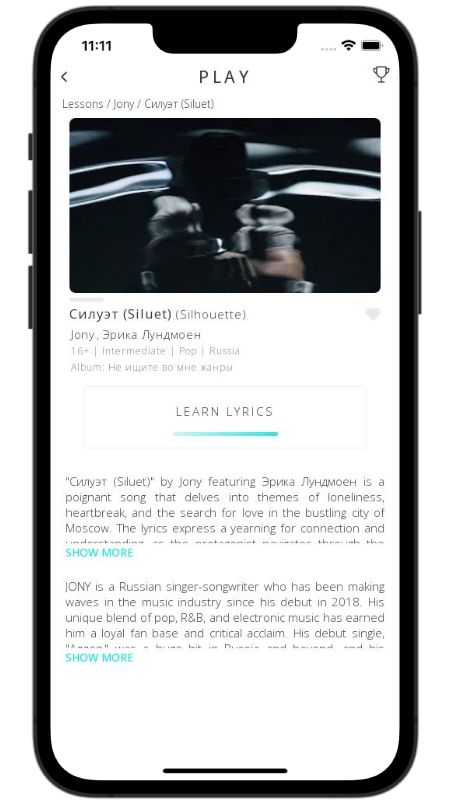
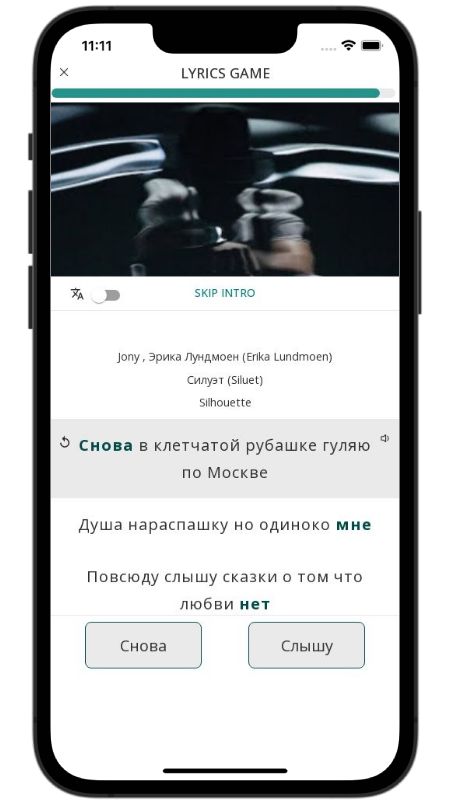
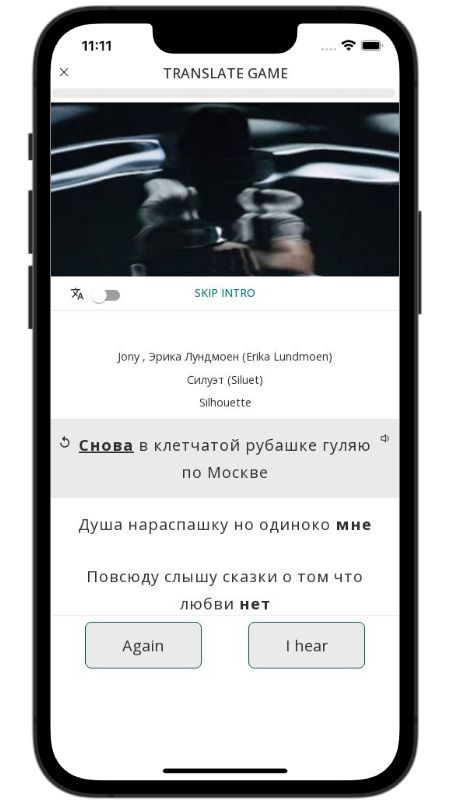
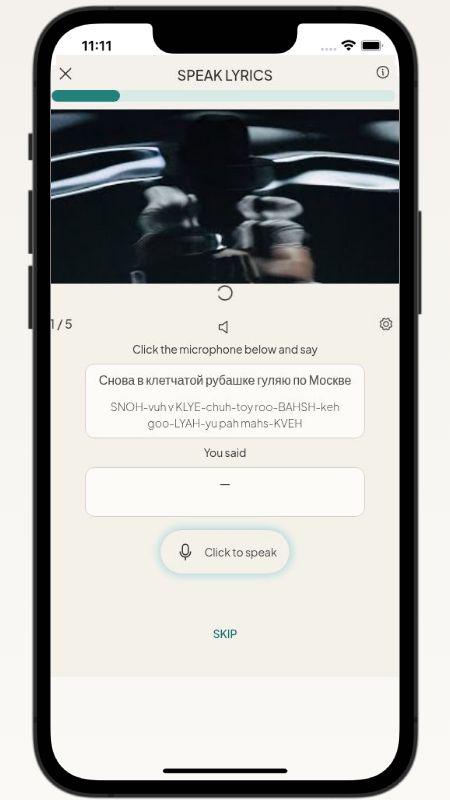
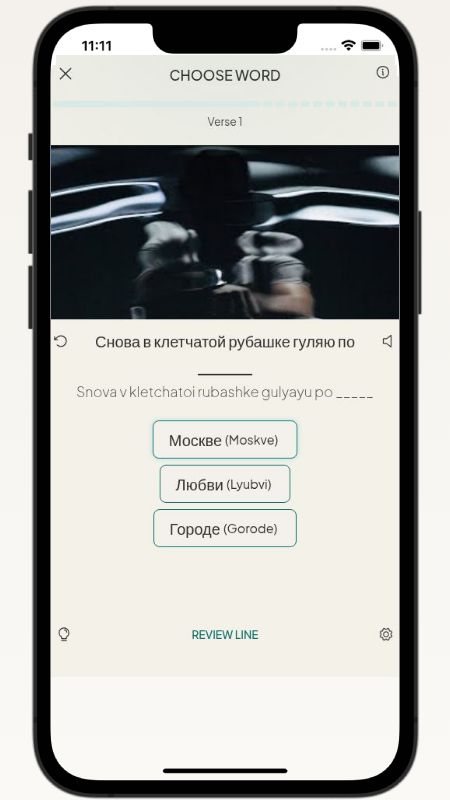
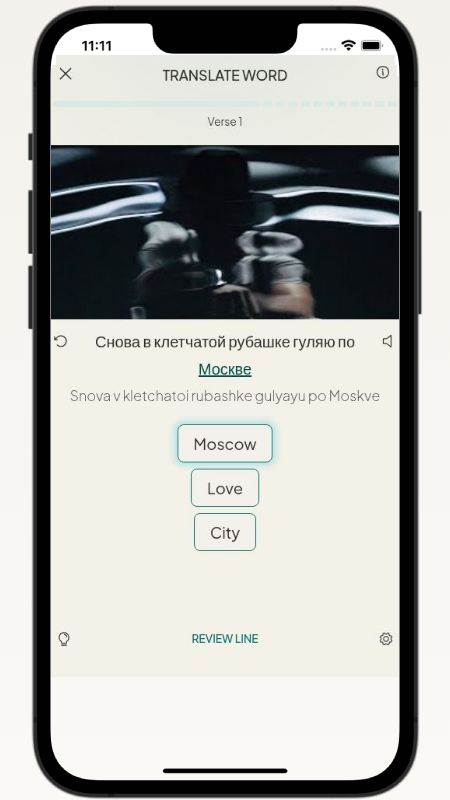
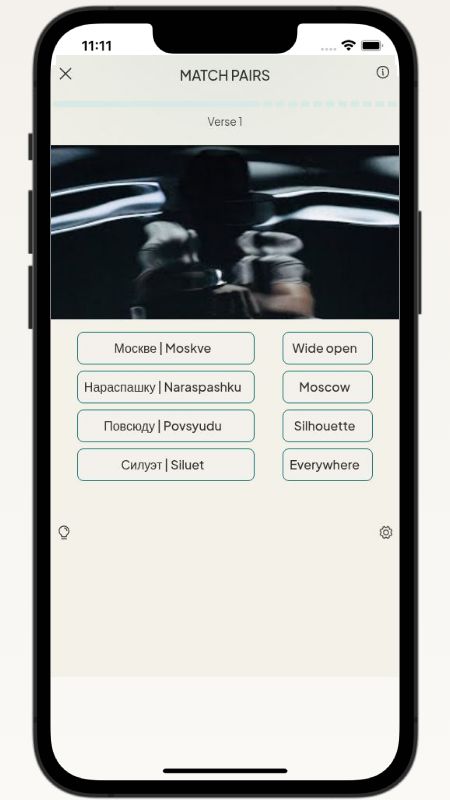
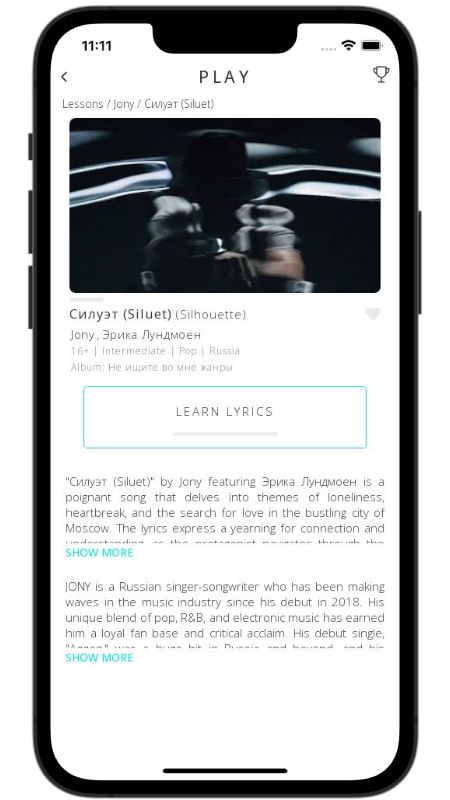
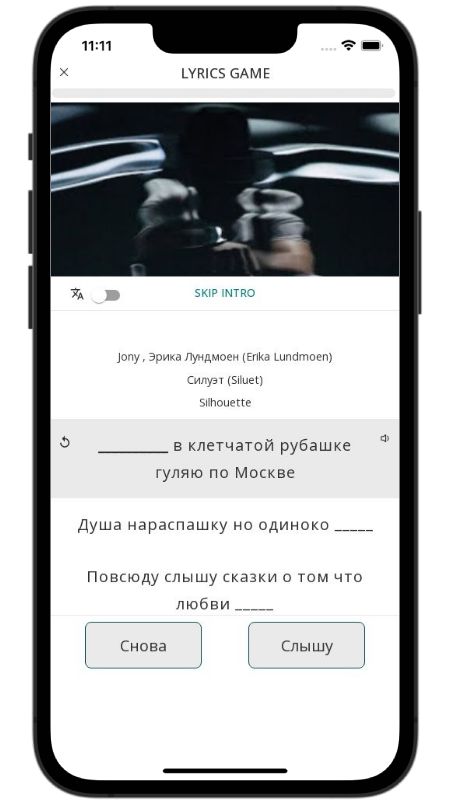
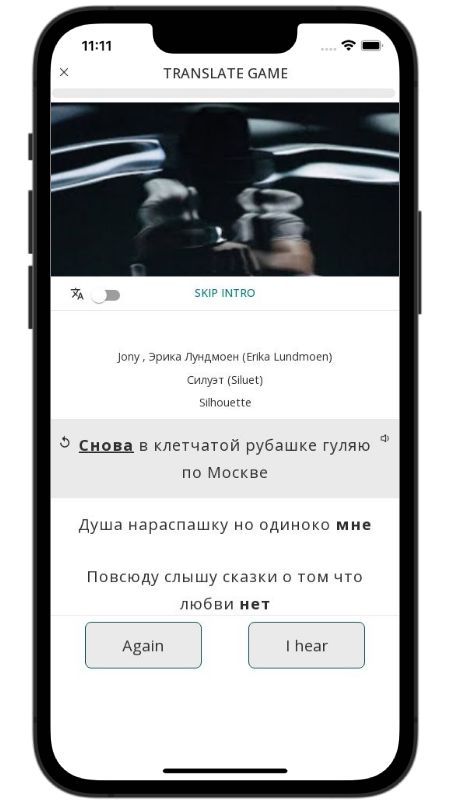
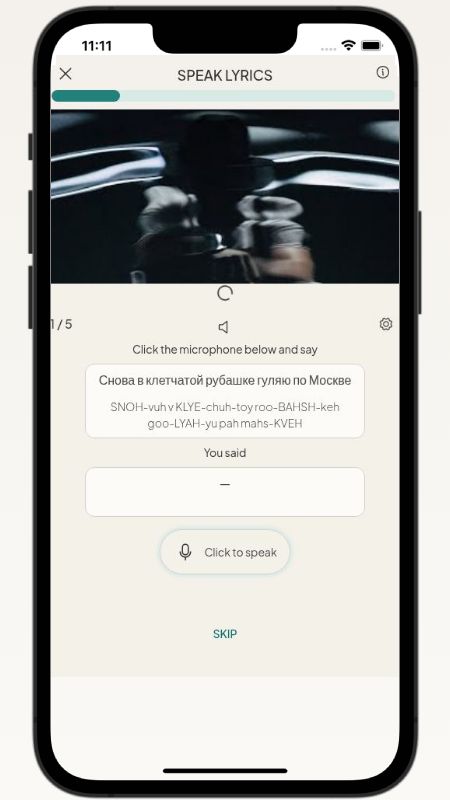
In addition to reading lyric translations, you can now learn Russian with music and lyrics from your favorite artists.
Yes, including Силуэт (Siluet) by Jony!
No more boring lessons. You can now learn with engaging and culturally relevant lyrics from the best artists.