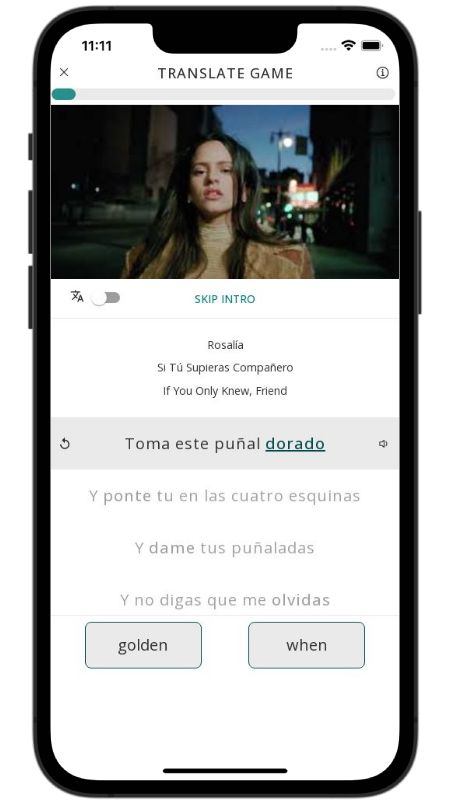
Si Tú Supieras Compañero Lyrics in English by Rosalía
Brasero refers to a brazier, a metal container used to hold burning coals or embers for warmth or cooking. It is a word tied to traditional Spanish homes, rarely heard in modern everyday speech.
In the line "Al ladico del brasero" ("right by the brazier"), Rosalía paints a warm, intimate domestic scene, placing the listener right beside the glowing embers of a traditional hearth.
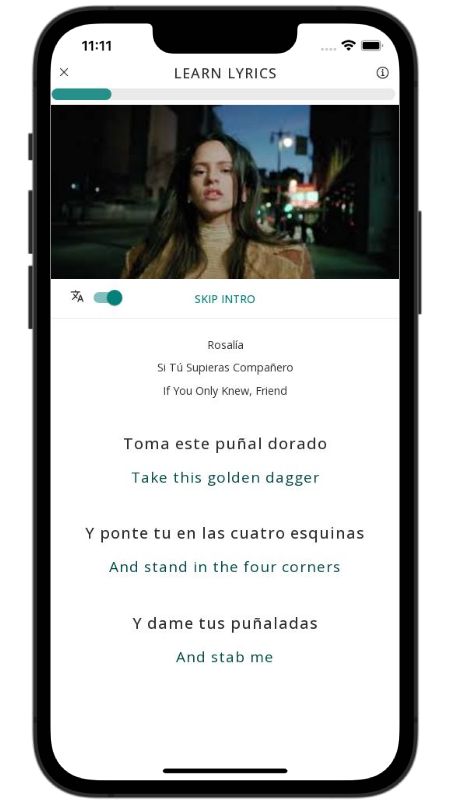
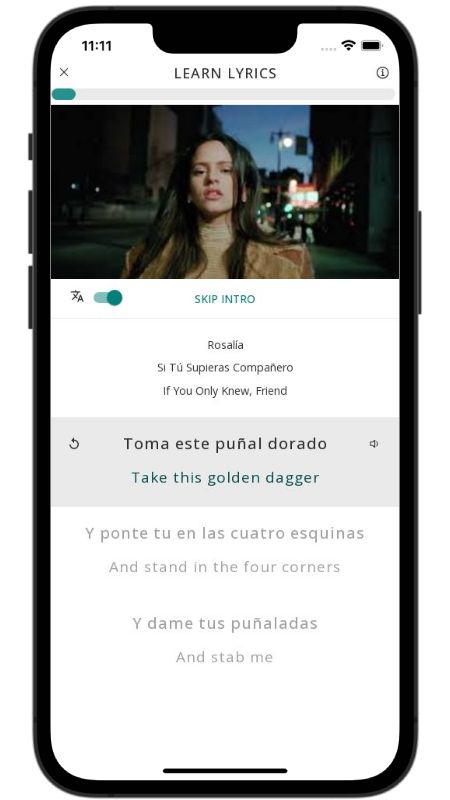
Si Tú Supieras Compañero feels like opening a secret letter written in the passionate language of flamenco. Rosalía slips into the role of a lover so fiercely devoted that she offers a “puñal dorado”—a golden dagger—as if saying, “hurt me if you must, just don’t forget me.” Every image is bold and dramatic: the breeze that follows her partner could snuff out street-lamps, and the miles she has roamed cannot shake the ache in her soul. The song paints love as both weapon and wound, where devotion demands sacrifice and pride dissolves into raw vulnerability.
Beneath the poetic metaphors lies a timeless flamenco heartbeat: jealousy, longing, and almost unbearable desire. She vows to battle even the sun if its rays offend her beloved, yet ends up “burning by the brazier” of her own feelings, unable to drink the water of relief that sits tantalizingly close. In short, the track is a cry from the deepest part of the heart—an ode to loving so intensely that distance, pain, and even death seem small prices to pay for one more moment of connection.