Catalina Lyrics in English by Rosalía
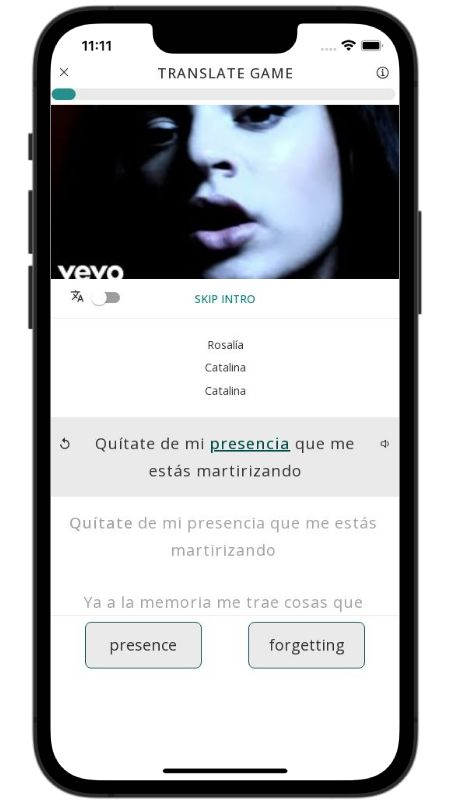
Martirizando comes from the verb martirizar, meaning 'to torment' or 'to martyr'. It's a strong, dramatic word that evokes intense suffering.
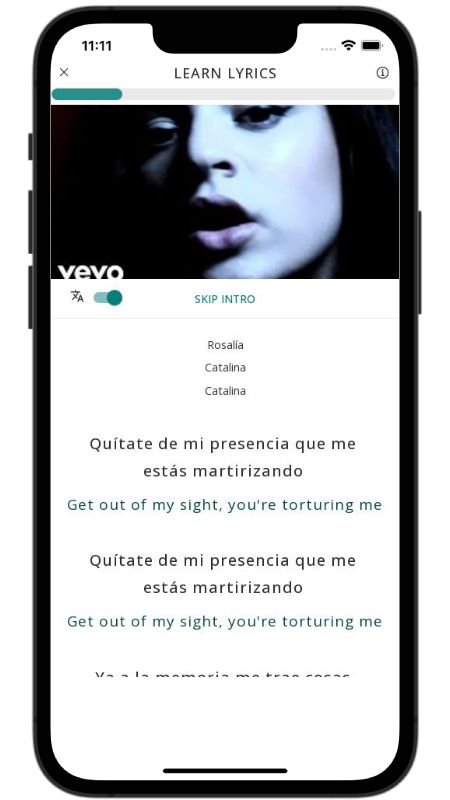
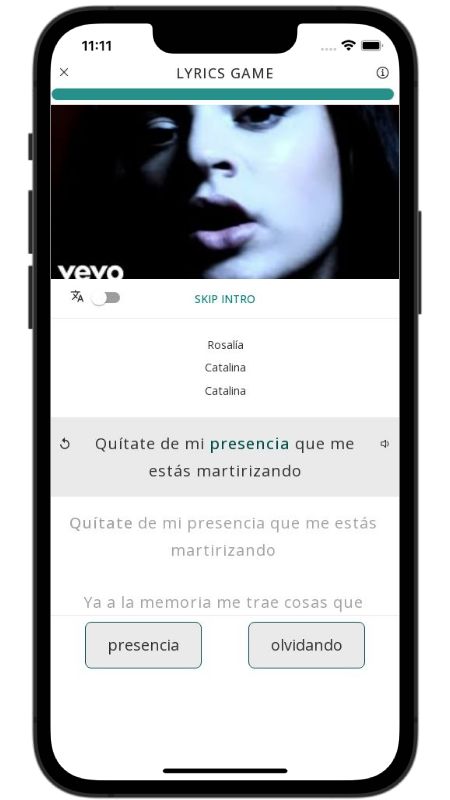
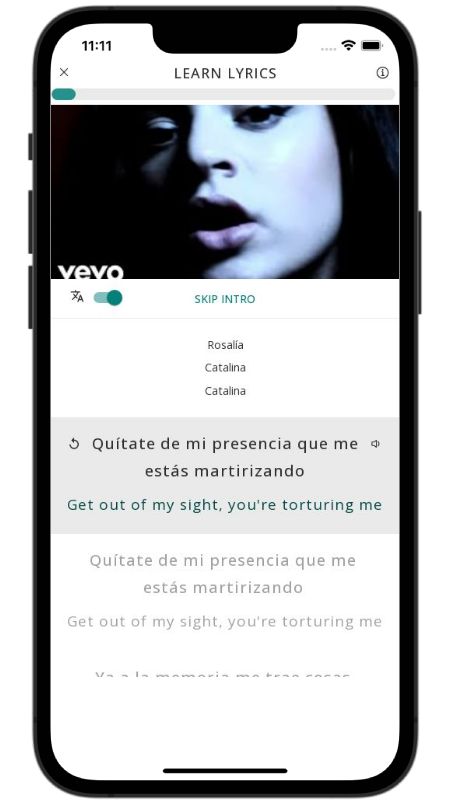
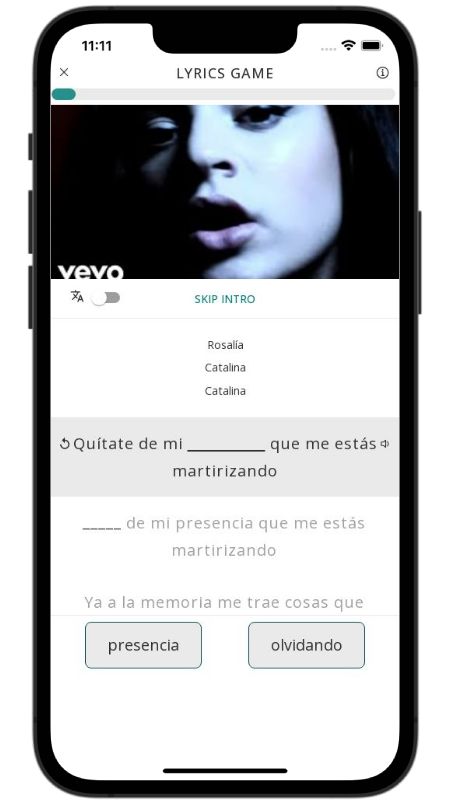
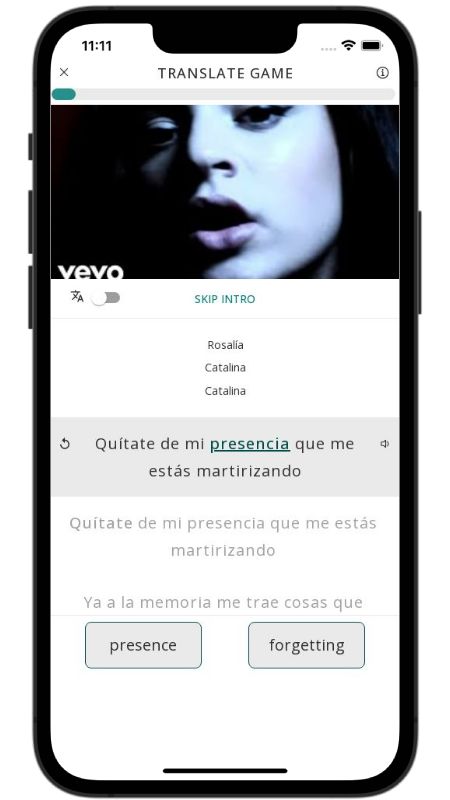
In the song, Rosalía sings, "Quítate de mi presencia que me estás martirizando" (Get out of my sight because you are tormenting me). She uses this powerful verb to express the profound emotional pain and distress caused by someone's presence, making it a memorable and impactful choice.
Rosalía’s “Catalina” is a modern bulería that feels like opening a faded love letter only to find the ink still fresh with pain. The singer pleads, “Ponme la mano aquí, Catalina” (Put your hand here, Catalina) because her beloved’s touch is both remedy and reminder—cold, distant, and yet desperately needed. Every line tumbles with raw anguish: a lover has vanished to Germany, memories once buried resurface, and the narrator flirts with the idea of poison and death. What sounds dramatic is actually classic flamenco: exaggerated emotion that turns private heartache into public art.
Mid-song the despair spirals into dark humor as the narrator tries to dictate a chaotic testament to a scribe. He lists odds and ends—curtains, a broken picture frame, an unused shotgun—turning sorrow into almost absurd theater. The contrast between life-or-death pleas and petty possessions shows how heartbreak distorts priorities. By blending traditional flamenco intensity with her own modern storytelling, Rosalía makes “Catalina” a whirlwind of longing, bitterness, and dramatic flair that leaves listeners breathless and strangely exhilarated.