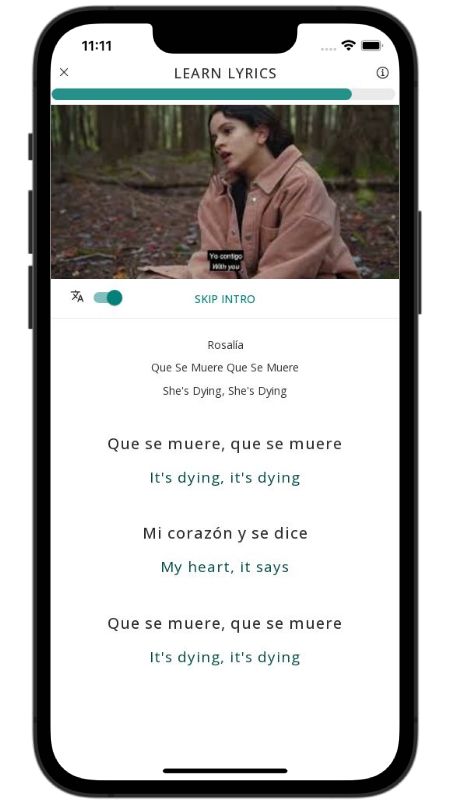
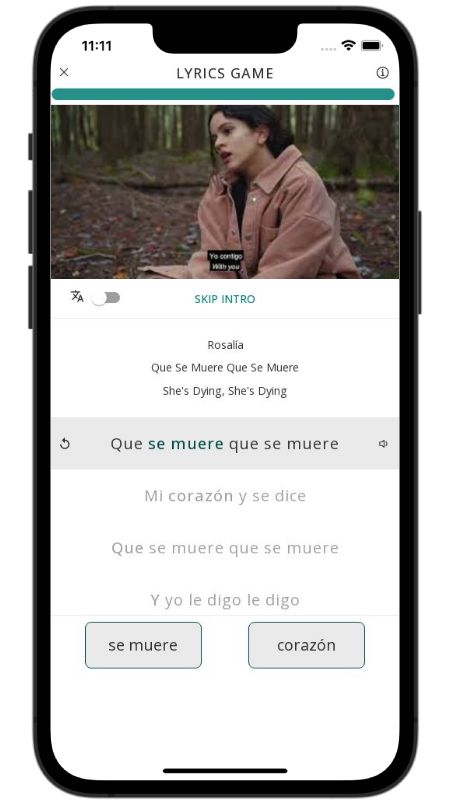
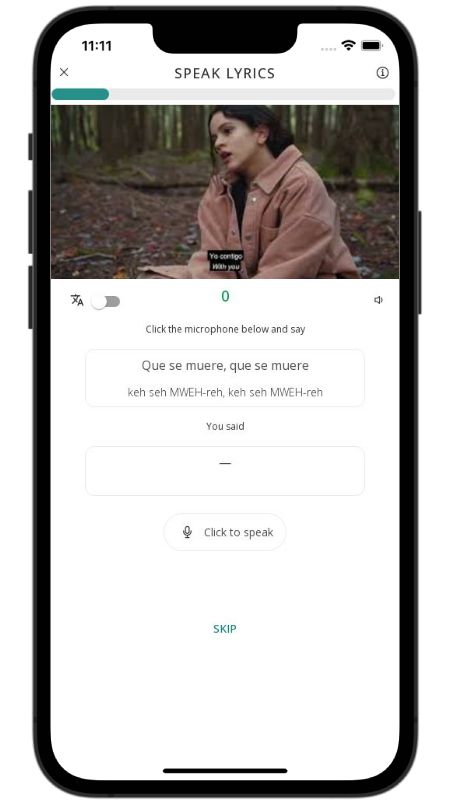
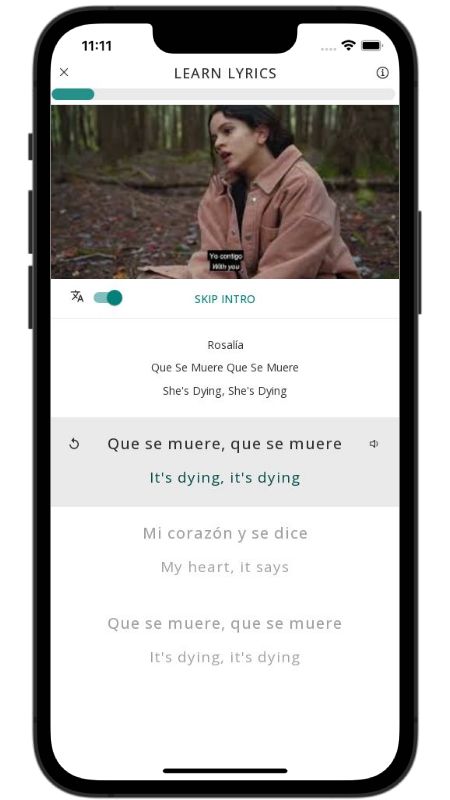
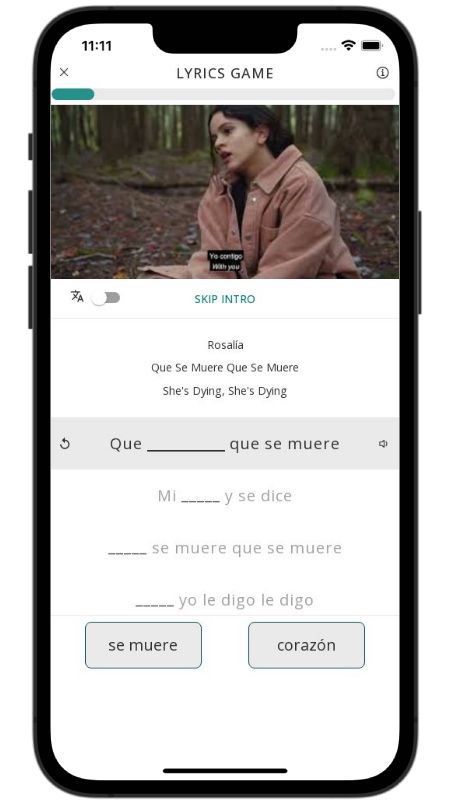
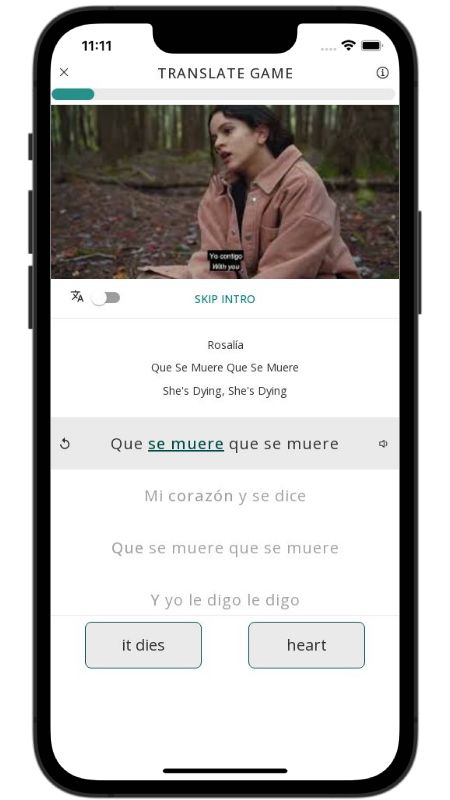
Que Se Muere Que Se Muere Lyrics in English by Rosalía
Que se espere translates to "Let it wait." It's a powerful command that uses the subjunctive mood, an essential concept in Spanish for expressing desires, doubts, or commands to others (or in this case, to one's own heart).
In this passionate song, Rosalía feels her heart is dying from overwhelming emotion. But instead of succumbing, she commands it, Que se espere, because she wants to wait and die contigo—with her lover. It's a dramatic and poetic phrase that captures a moment of intense feeling and willpower.
Rosalía’s “Que Se Muere Que Se Muere” feels like a miniature flamenco drama, packed into just a few lines. The singer hears her own heart declaring that it is dying, and rather than panic she answers with fiery calm: “Tell it to wait.” In true Andalusian fashion, the repetition of que se muere sounds like the stamping of feet on a tablao, echoing both urgency and hypnotic devotion.
At its core the song is a bold love oath. The narrator insists that if her heart is going to give up, it must do so with the one she loves. This turns the idea of heartbreak inside out: death is not the tragic end but the ultimate act of union. Rosalía wraps this timeless flamenco passion in her modern voice, reminding listeners that love—especially Spanish love—can be dramatic, fearless, and a little bit fatalistic… and that makes it thrilling to sing along.