Mañana Lyrics in English by Pimpinela
Cárcel means 'prison' or 'jail', but here it's used in a powerful, metaphorical sense.
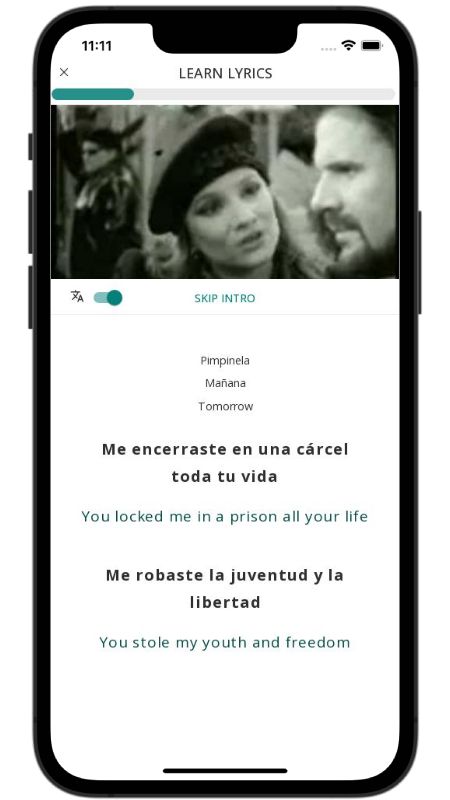
The opening line, "Me encerraste en una cárcel toda tu vida", translates to 'You locked me in a prison your whole life.' This isn't a literal jail cell; it's a vivid description of a relationship so controlling and suffocating that it felt like imprisonment. Hearing such a raw, dramatic word to describe a broken heart makes it incredibly memorable to learn.
This song is a full-on, dramatic declaration of independence! The singer is finally leaving a relationship where she felt completely trapped, saying her partner locked her in a jail for her whole life: "Me encerraste en una cárcel toda tu vida". She feels like he stole her youth and turned her into a "sombra sin dignidad" (a shadow without dignity). But one day, she just woke up and the feeling was gone. The best part is when she throws her partner's words back at him, sarcastically saying, "¿Tú me hiciste? Perdóname por no dar las gracias" (You made me? Forgive me for not saying thank you).
The whole song builds to the chorus, which is all about the future. "Mañana voy a empezar una nueva vida" (Tomorrow I'm going to start a new life), she promises herself. It's not just about leaving; it's about reclaiming who she was and being free to choose again. When her ex tries to get her back, saying "vuelve conmigo" (come back with me), her final answer is incredible: "Todavía estoy a tiempo para escapar" (I still have time to escape). It's the ultimate goodbye song.