Palabras Lyrics in English by Pimpinela
Atormentarás means 'you will torment' or 'you will haunt'. It's a powerful and dramatic verb that isn't commonly found in everyday conversation or every song, making it quite unique.
In the context of "Palabras," this word perfectly captures the emotional struggle between the two singers. One accuses the other, saying, "Siempre me atormentarás con promesas" (You will always torment me with promises), highlighting the pain caused by unfulfilled words and broken trust. It's a word that conveys deep emotional conflict and a sense of being haunted by past deceptions.
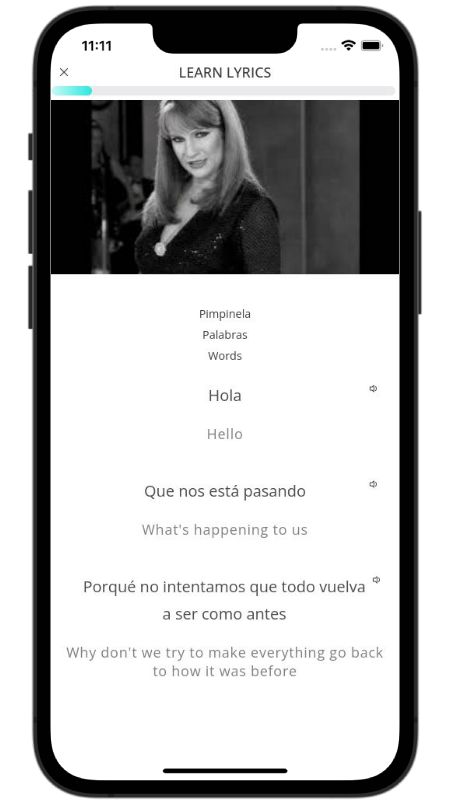
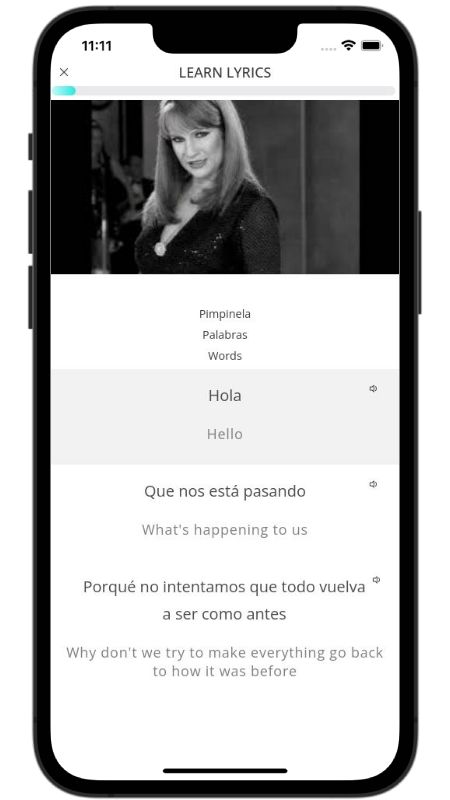
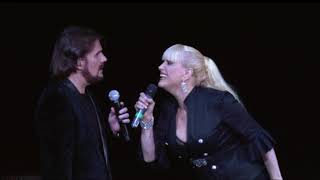
Have you ever argued with someone who tries to fix a massive breakdown with cheap gifts and empty promises? That is this track in a nutshell. Argentine duo Pimpinela take the classic routine of a couple at total odds and turn it into a theatrical pop duel. One voice pleads, "Porqué no intentamos que todo vuelva a ser como antes" ("Why don't we try to make everything go back to how it was before?"), begging for a fresh start. But the other side is completely fed up with the sweet talk, snapping back: "Caramelos ya no quiero más" ("I don't want candy anymore") and "No quiero más rosas" ("I don't want any more roses"). Candy and flowers cannot patch up a broken relationship, especially when the apologies feel rehearsed.
What makes the song fun is the collision between sweet desperation and cold reality. While he insists, "Te prometo que todo va a ser diferente" ("I promise you everything is going to be different"), she cuts right through the noise with "No cambias más, yo tengo pruebas" ("You won't change anymore, I have proof"). The phrase "promesas que se lleva el viento" ("promises carried away by the wind") is a great Spanish idiom for empty vows that vanish into thin air. By the chorus, his smooth lines crash into a brick wall as she dismisses everything he says as mere background noise: "Palabras tan sólo palabras hay entre los dos" ("Words, only words exist between us two"). She doesn't want grand speeches or dramatic gestures; she just wants genuine care from a partner who actually follows through.