Castillo de cera literally translates to "wax castle". It's a striking and poetic image that immediately brings to mind fragility, beauty, and something easily melted or destroyed.
In the song, it's used as a powerful metaphor for a person or a relationship: "Y tú, castillo de cera. Verás que el fuego en el cuerpo no siempre te quema." This suggests a delicate yet passionate nature, implying that despite its apparent vulnerability, it can withstand the heat of emotion without always being consumed. It's a unique and central image to the song's theme.
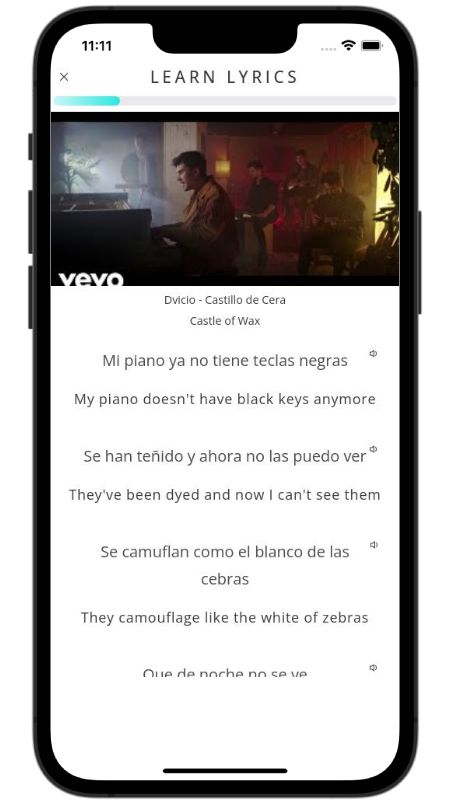
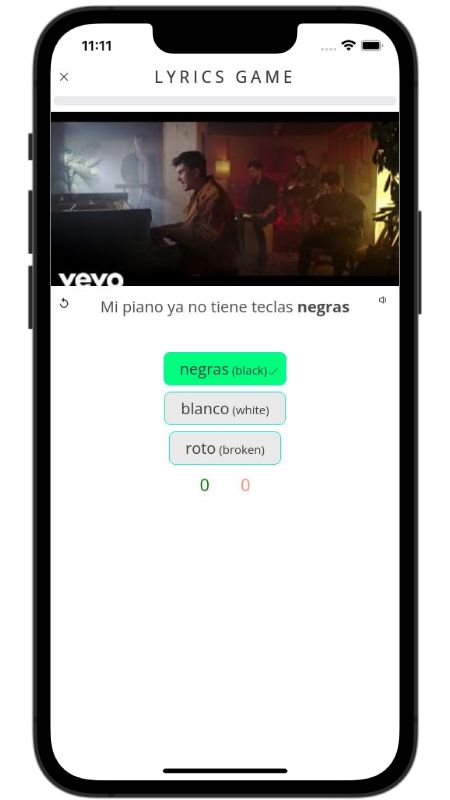
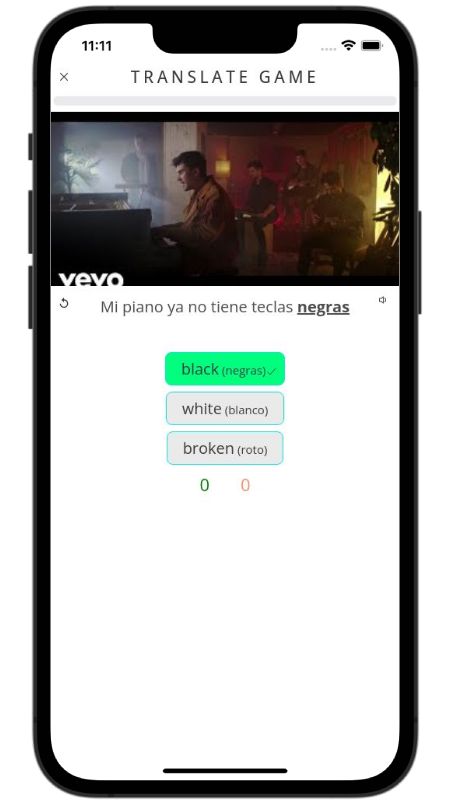
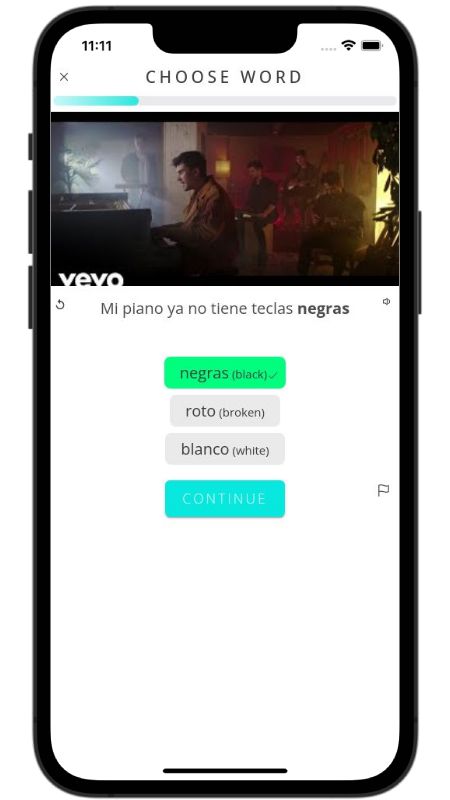
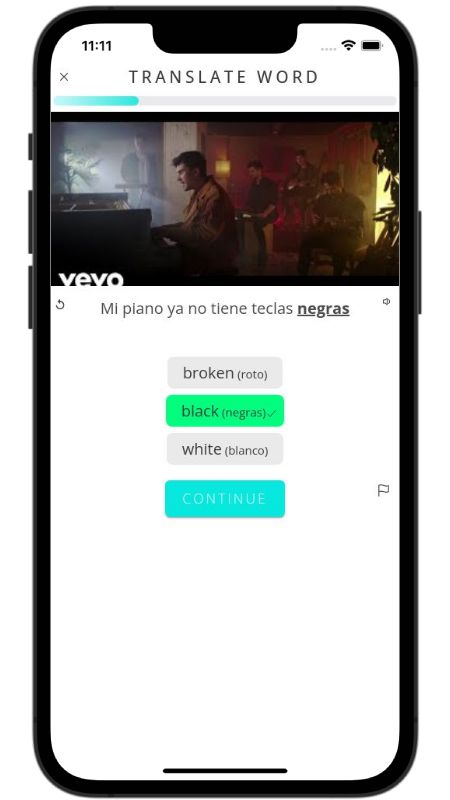
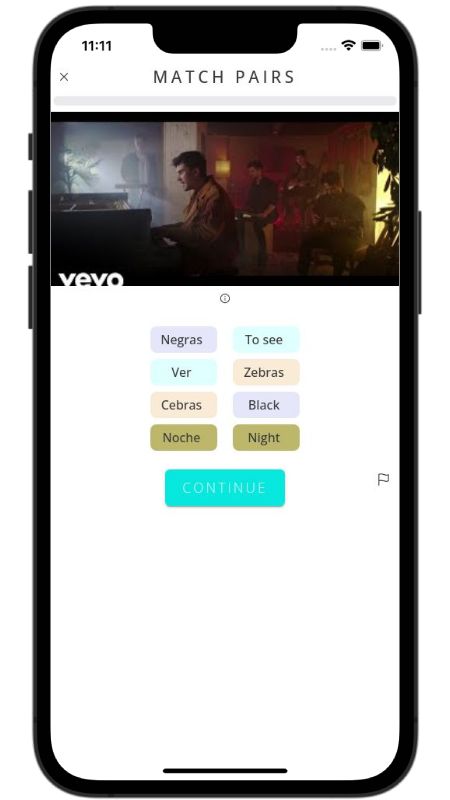
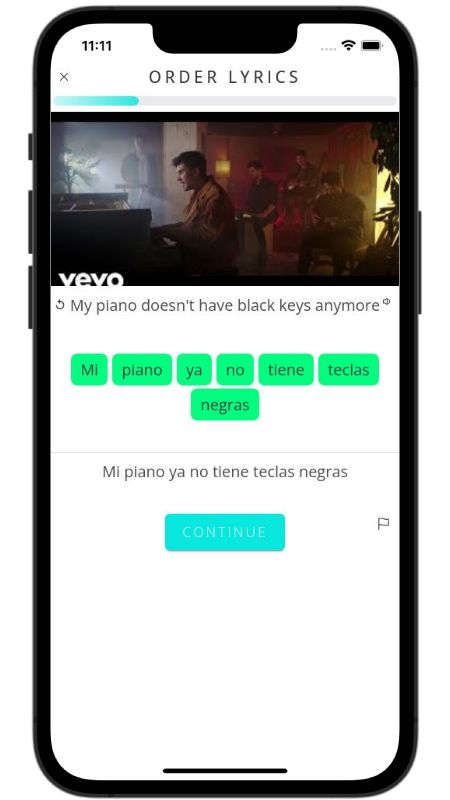
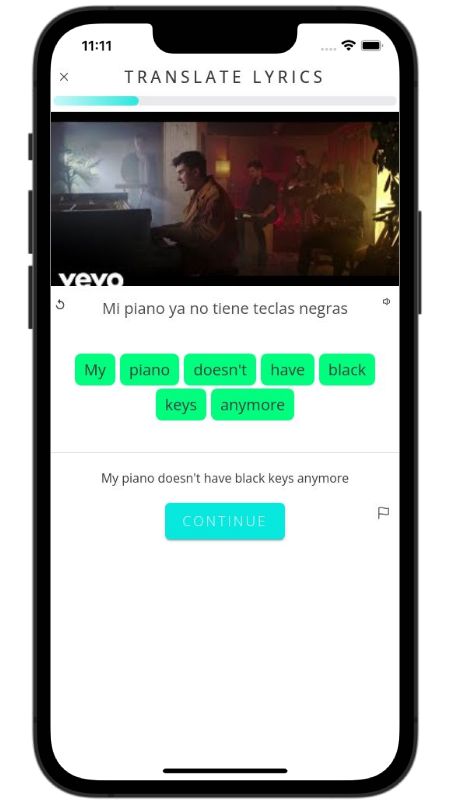
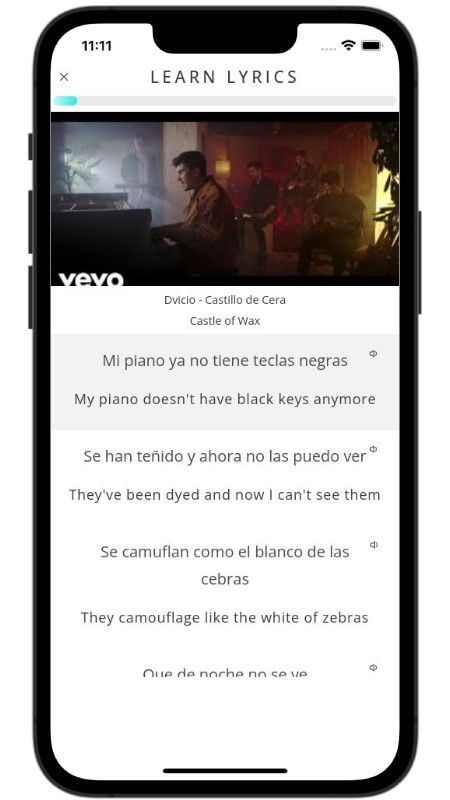
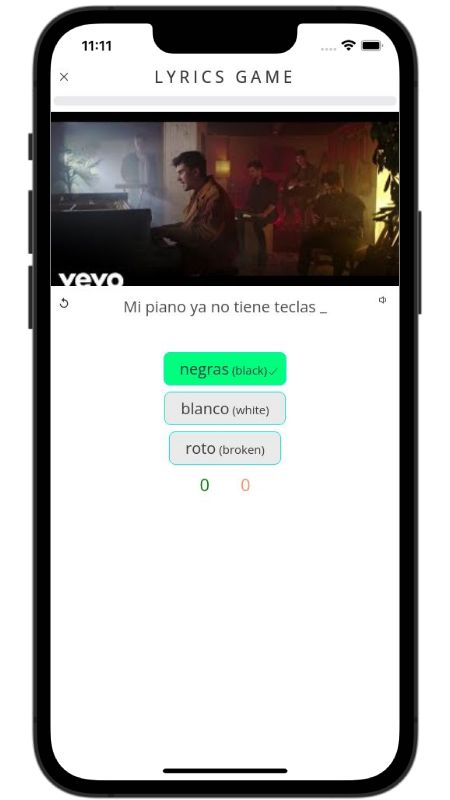
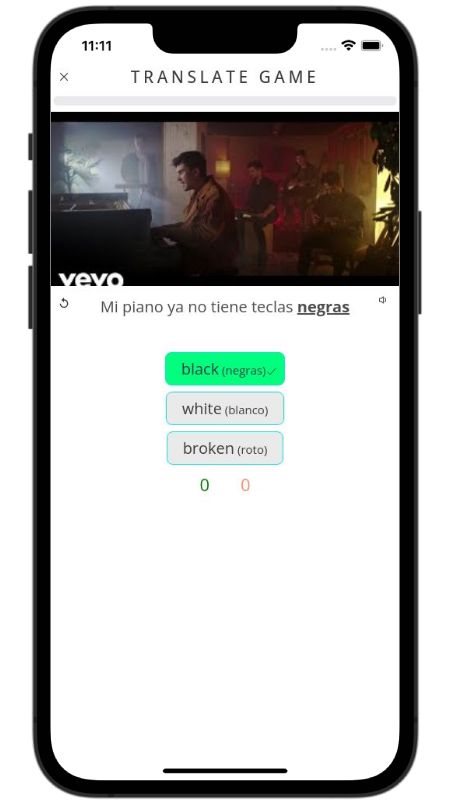
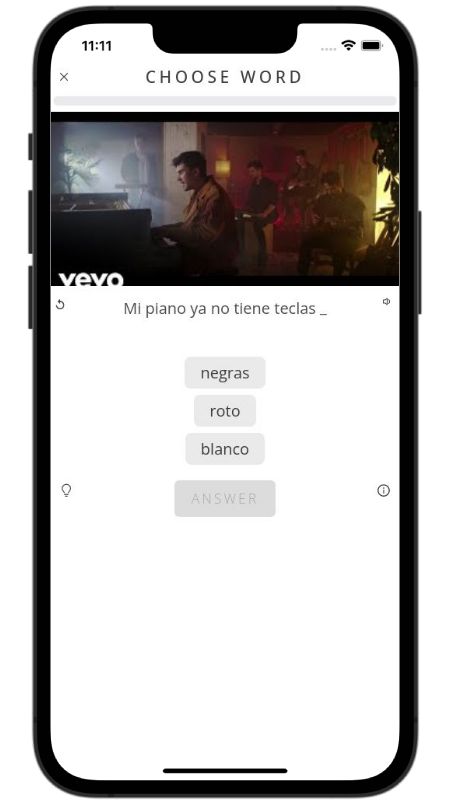
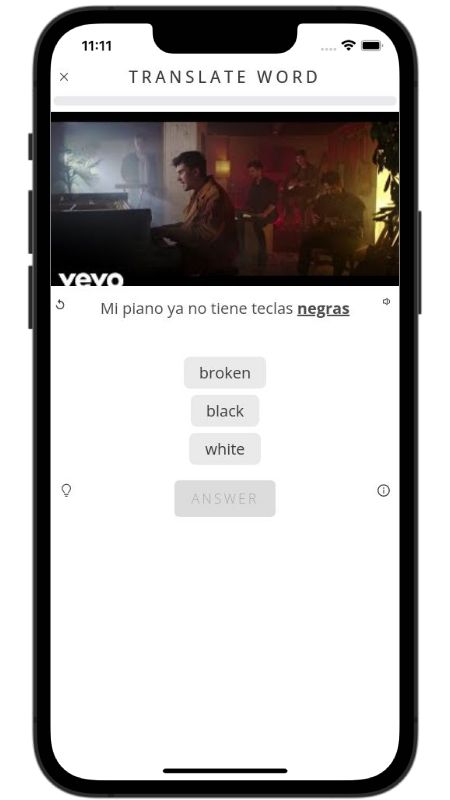
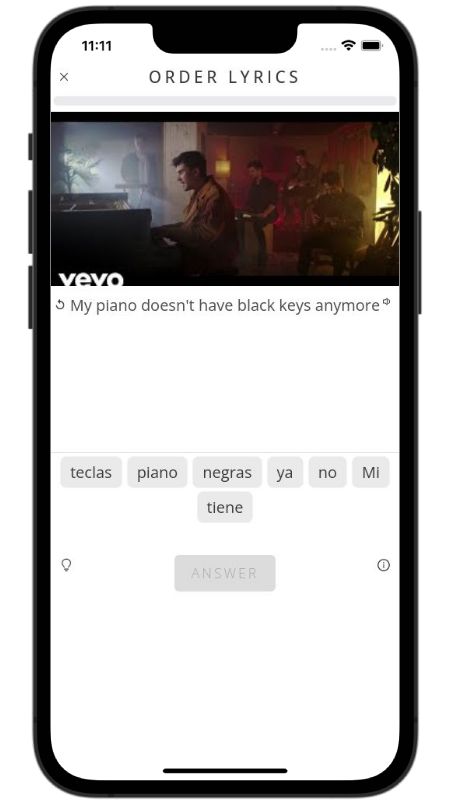
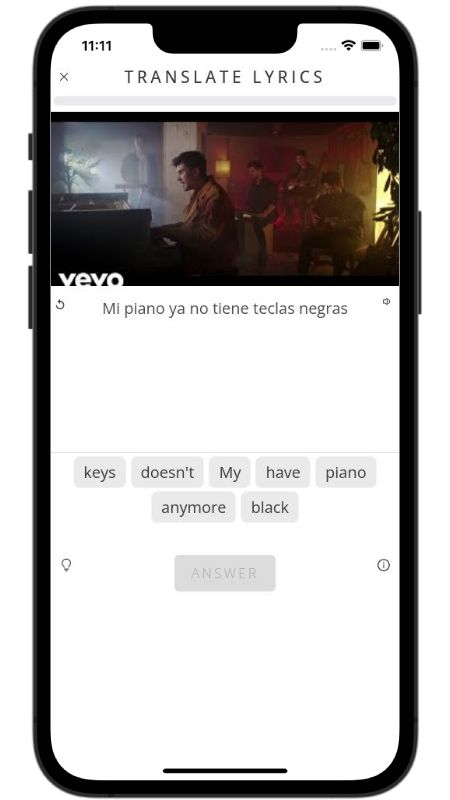
This song is a fantastic story about two people who are complete opposites. The singer feels like his world has lost its definition, singing that his piano keys have all turned the same color: "Mi piano ya no tiene teclas negras" (My piano has no black keys anymore). He feels broken on the outside and sees himself in simple terms, like "color blanco y negro" (black and white). He's not interested in surface-level stuff; he wants someone to look past what mirrors show and see what's inside.
Then he describes the person he's singing to, and it's a total contrast. She is a "castillo de cera" (wax castle)—beautiful but fragile. While he is broken on the outside, she is "tan viva por dentro" (so alive on the inside). She is his "acuarela" (watercolor), bringing color and life to his black-and-white existence. The song suggests that this intense connection, this fire, doesn't have to be destructive. It can be the very thing that makes them both feel alive.
Did you know?
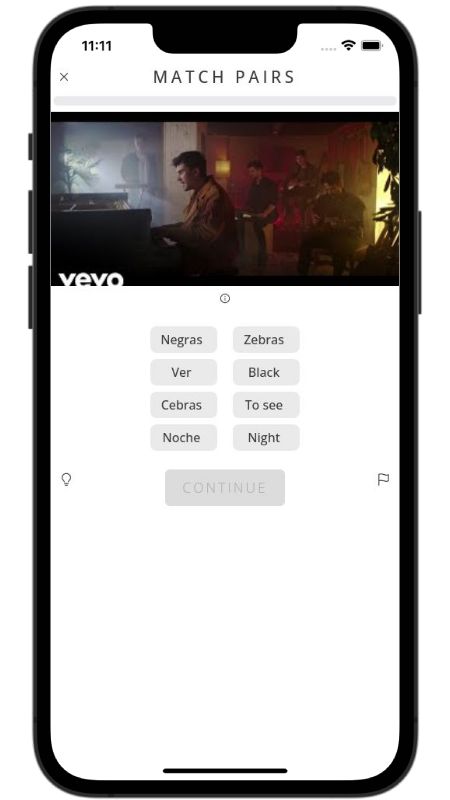
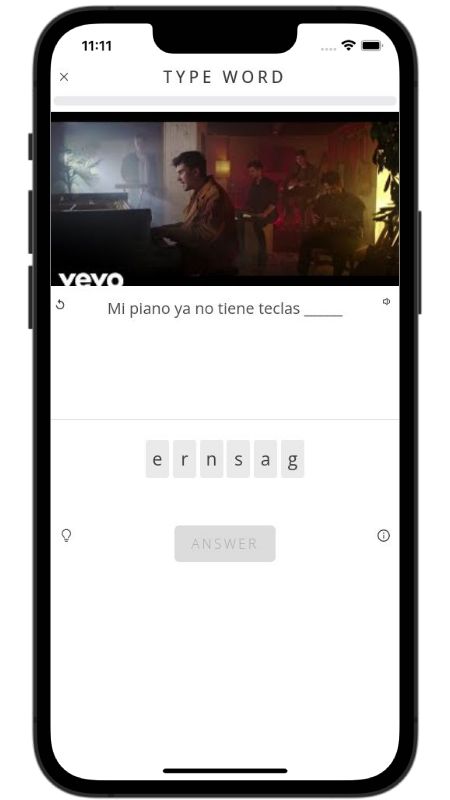
In addition to reading lyric translations, you can now learn Spanish with music and lyrics from your favorite artists.
Yes, including Castillo De Cera by Dvicio!
No more boring lessons. You can now learn with engaging and culturally relevant lyrics from the best artists.