La Bruja Lyrics in English by Natalia Lafourcade
Bruja translates to "witch." It's a captivating and somewhat mysterious word that immediately sparks curiosity, especially given its prominent role in the song's title and lyrics.
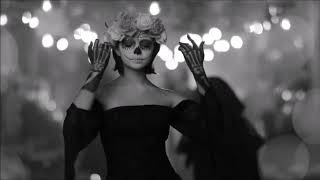
In "La Bruja," the word refers to a mythical figure from Mexican folklore, often associated with magic and the supernatural. Natalia Lafourcade reinterprets this figure not as something to fear, but as a powerful, almost enchanting entity that takes the narrator on a journey, transforming her and inspiring her music. This unique cultural context and the word's evocative nature make it highly engaging.
"La Bruja" is a Veracruz son jarocho that has been sung at fandangos for generations, and Natalia Lafourcade sings it as someone who half enjoys being carried off. The witch of the title never threatens anyone. She shows up, takes the singer out to the hills, and then does something closer to a blessing than a curse: "Me mira, me reza / Me llena de flores" (She looks at me, she prays over me / She fills me with flowers). A verse later she is hugging and kissing her and singing to her in bed. The call and response at the centre of the song asks the witch outright, "¿Cuántas criaturitas / Se ha llevado usted?" (How many little children have you taken with you?), and she answers "Ninguna, ninguna" (None, none), then admits in the same breath that she is working on it: "Que ando en pretensiones / De llevarla a usted" (that I am intending to take you).
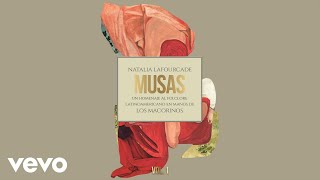
The middle verse is where the bruja turns out to be a colleague. The singer meets a woman deep in the night and asks whether she should sing her a few sones, and the woman tells her to go ahead and "Sea cancionera de amor" (be a singer of love), which is where Lafourcade gets the name of the album this comes from. By the end nobody is being stolen anymore, only transformed: "Me vuelve un rosal" (She turns me into a rosebush), "Se vuelve un fueguito / Para mi cantar" (She turns into a little fire / for my singing). Being taken by the witch, it turns out, is what happens when you decide to sing.





![De Todas Las Flores [Live At Carnegie Hall] Lyrics Translation](https://img.youtube.com/vi/4FZwmmM-dLY/mqdefault.jpg)
![María La Curandera [Live At Carnegie Hall] Lyrics Translation](https://img.youtube.com/vi/nj0fMeeMLnI/mqdefault.jpg)