La Perla Lyrics in English by ROSALÍA, Yahritza Y Su Esencia
Perla literally translates to "pearl," a beautiful and precious gem. However, in this song, ROSALÍA uses the word with heavy irony to describe a person who is the exact opposite.
She sings, "Es una perla, una de mucho cuidado" (He's a pearl, one to be very careful with). This sarcastic use, similar to calling someone "a real gem" in English, turns a compliment into a warning about a difficult and untrustworthy person. It's a perfect example of how context and tone can completely change a word's meaning in Spanish.
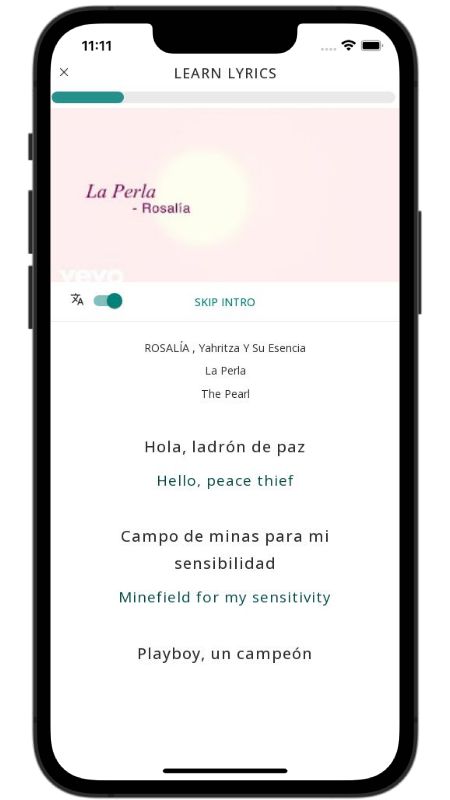
Think of that one person who leaves absolute chaos everywhere they go, yet still acts completely full of themselves. In "La Perla", Spanish singer ROSALÍA and Mexican-American group Yahritza Y Su Esencia tear into a selfish ex with sharp humor. The song's title is deeply sarcastic: calling someone "una perla" ("a pearl") or "una de mucho cuidado" ("one to watch out for") is classic Spanish irony for a total fraud, a guy who wins the "medalla olímpica de oro al más cabrón" ("gold Olympic medal for biggest jerk"). He spends cash he does not have, freeloads in other people's apartments ("si puede vive en casa ajena"), and even when he goes to therapy, he lies through his teeth: "¿Pero de qué te sirve si siempre mientes más que hablas?" ("What good is it if you always lie more than you speak?").
There is plenty of great Spanish slang to learn here. Calling him "el rey de la trece catorce" taps into the phrase hacer la trece-catorce, a colloquial way to say someone is pulling a fast trick or scamming people. He is described as a "bala perdida" ("loose cannon" or "lost cause"), a "red flag andante" ("walking red flag"), and an "estrella de la sinrazón" ("star of foolishness") who blames his bad behavior on his doppelgänger. If you have ever crossed paths with an arrogant freeloader who thinks loyalty is a foreign language, this track will make you laugh while you study.