PASAJERO Lyrics in English by Mora
Descifrarte comes from the verb descifrar, meaning 'to decipher' or 'to decode'. The -te ending makes it 'to decipher you'. It's an intriguing word because it suggests a mystery or a puzzle.
In the song, the artist sings, "Descifrarte, eso es un laberinto" (To decipher you, that's a labyrinth). This line beautifully conveys the idea that understanding the person he's singing about is complex and challenging, like navigating a maze. It adds a layer of depth and intrigue to the romantic pursuit.
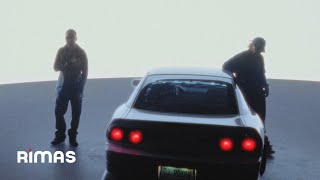
Mora builds "Pasajero" around one word doing two jobs. In Spanish, algo pasajero means something fleeting, but tú de pasajero also puts her in the passenger seat, along for the ride. He names the contradiction himself in the first verse: "Y aunque iba a ser algo pasajero, se sintió distinto" [And though it was gonna be a passing thing, it felt different]. What was supposed to be a one-night thing turned into something he can't shake.
The rest of the song is him trying to talk his way into staying. "Me quiero estudiar / Tu cuerpo entero y cada lunar" [I want to study / your whole body and every beauty mark], he says, then promises "Te enseño a volar" [I'll teach you how to fly]. By the second verse he's stopped hiding any of it. "Bebé, hoy se rompe la mesa" [Babe, tonight we're going all out], and the neighbors can take it or leave it: "que disfruten o se hagan los sordos" [let them enjoy it or pretend they're deaf].